Archival Spaces 411
Weimar Uncensored
Uploaded 30 October 2026

This year’s Giornate del cinema muto presented a program of films made after the German Revolution, “Weimar Uncensored: Taboos and Transgressions in German Cinema, 1919-1920,” curated by Michael Cowan and Anton Kaes, when on November 12, 1918, the interim government abolished censorship; the Reichslichtspielgesetz of May 20th 1920 reestablished censorship throughout the Republic, placing oversight with local police authorities. So-called Aufklärungsfilme (enlightenment films) which broke taboos flourished, like Different from the Others (1919, Richard Oswald), the first gay film to treat homosexuals as ordinary human beings or films about women’s unbridled sexual desire, as in Genuine (1920, Robert Wiene). As the curators write, these films “collectively map an entire landscape of transgression: crime, drugs… gambling, rage, illness, hypnosis, insanity, Satanism, blasphemy, death, and pestilence personified.” Unfortunately, the vast majority of films produced were later destroyed or disappeared, considered Schund (trash).
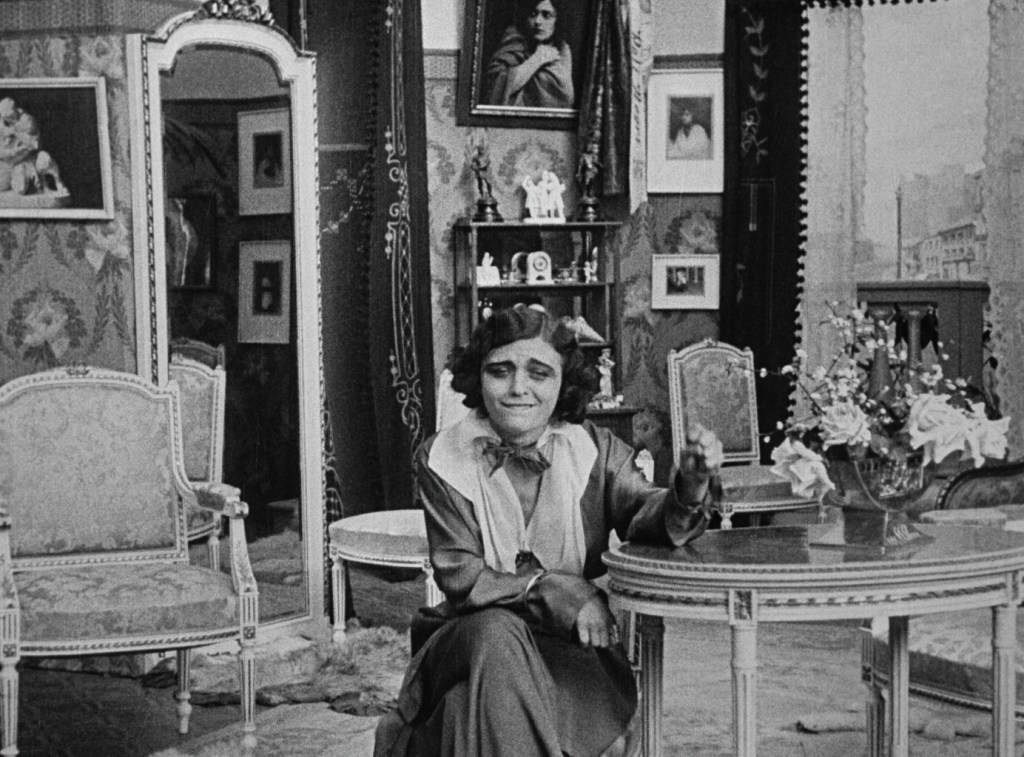
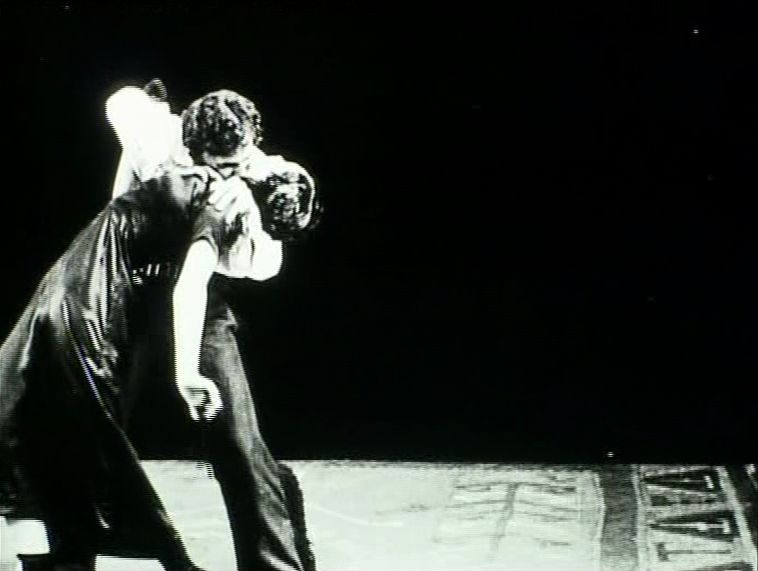
However, I begin with another Pordenone film, Bestia (1917, The Polish Dancer, Alexandr Hertz), starring Pola Negri, who discovered by Ernst Lubitsh would become one of Germany’s biggest stars, before going to Hollywood. Her film, one of the only Polish films to survive from the period, could have been included in the Weimar program, given its frank expression of female sexuality. While historical sources describe it as the first of Negri’s many roles es a vamp, a maneater, ruthlessly destroying male victims, the film actually illustrates female victimhood and male violence against women. Pola plays a young girl, beaten by her father, thrown from her home, then trusts her friend Dmitri who attempts to seduce her. She steals his money, promising to pay him back, then becomes a cabaret dancer, before beginning a relationship with a man who promises to marry her, but is actually married. An old story, she falls into prostitution, but is ultimately murdered by Dmitri. An “Apache dance,” in which she wears a black satin dress, foregrounds her eroticism, a scene clearly influenced by Asta Nielsen in Afgrunden (1910). Unfortunately, the only surviving print was a reedited American version from the 1920s, whose contrasty black and white can’t be fixed even by digital restoration.
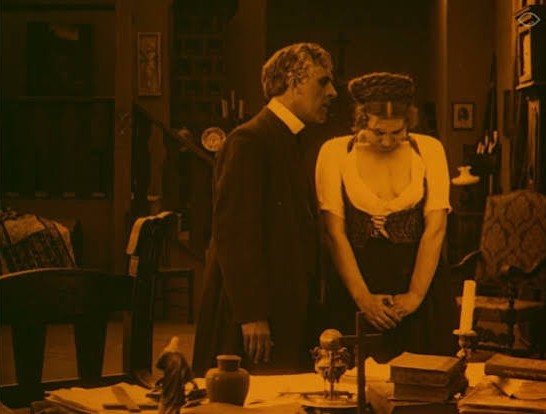
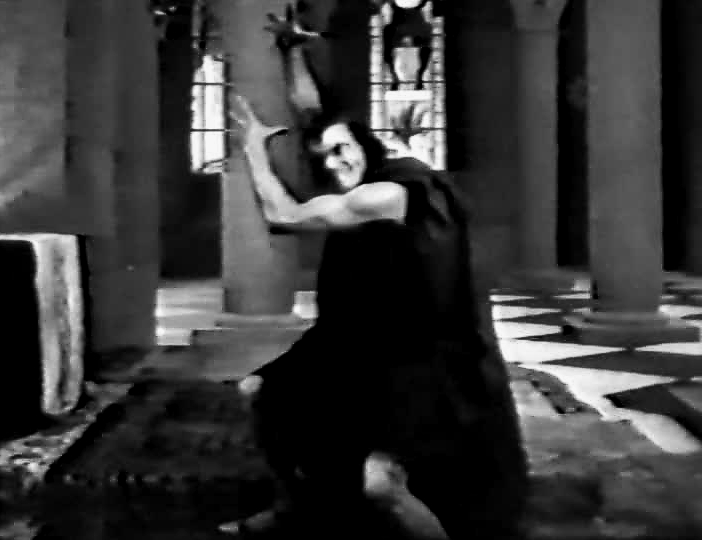
Die Teufelskirche (1919, Hans Mierendorf, The Devil’s Church) opens with an expressionist image of a hazy figure running along the sea shore, while silhouettes of deformed bare trees rush by in the foreground, before cutting to a handful parishners leaving a country church in the North German heath. We soon realize it is the devil himself we have initially seen, as he seduces a young wife, yearning for a child, who becomes a wanton soul. The pastor, wishing for a new, magnificent church also succumbs to the devil’s charms. Finally, all is revealed to be the dream of the young husband who had denied selling his land to the parish for a new church, but who had been happily married, despite being childless. Although the film is missing two reels, it is the image of the peasant wife, her healthy and earthy sexuality, symbolized by her amply exposed breasts that mitigates the film’s anxieties about sex.
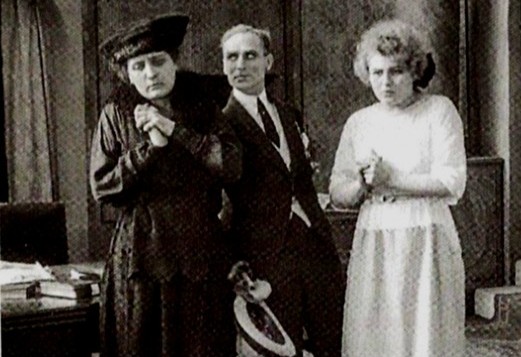
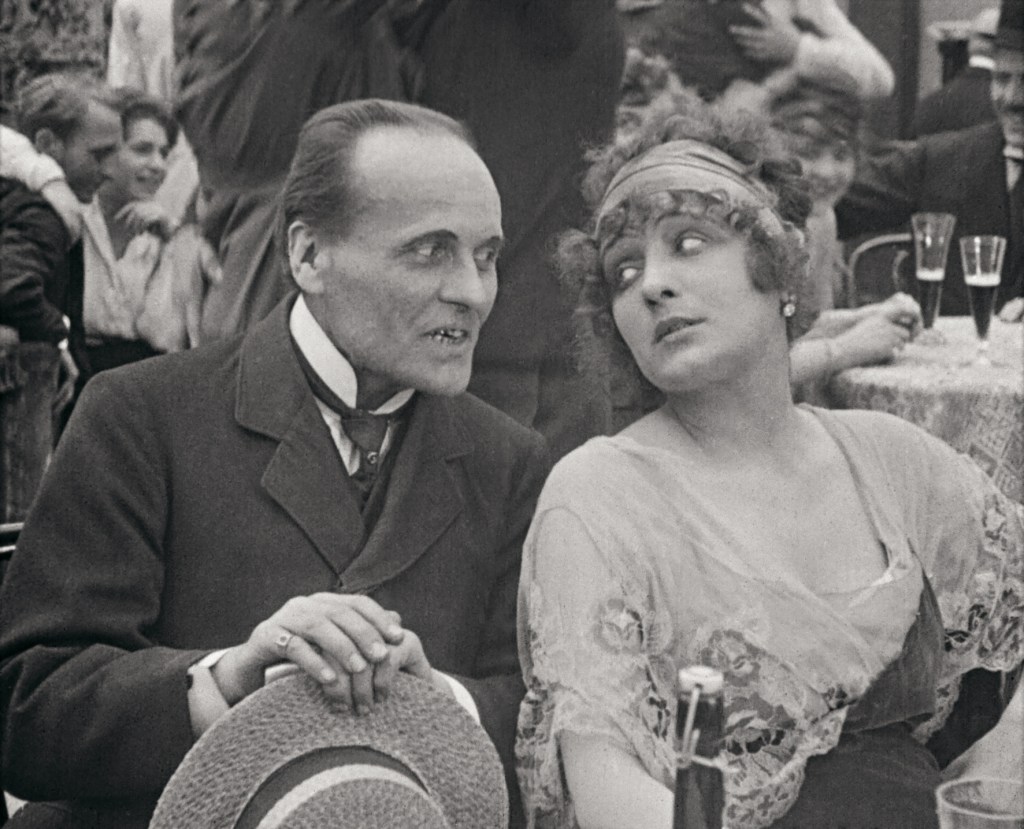
Like so many films in this program, Heddas Rache (1919, Japp Speyer, Hedda’s Revenge) expresses social Angst regarding young women falling into prostitution. Hedda (Hedda Vernon) attends a girl’s boarding school, financed by her absent mother. When she wishes to marry the middle-class Bernd, his friend Georg (Reinhold Schünzel) warns him, she is the daughter of a madame in a brothel, ending the engagement. On her mother’s deathbed, she confesses to Hedda that Georg’s father, Henry, had seduced and abandoned her leading her into prostitution. Hedda takes over her mother’s business, modernizes it (with Bernd’s money) and swears revenge by corrupting Henry’s children. The film’s anger is clearly directed at the hypocrisy of bourgeois men who seduce and abandon innocent women and frequent houses of prostitution, while pretending to be morally above reproach. To make the point, the bourgeois homes and bordellos are visually identical. Women’s only agency against male violence is to exploit men through sex.
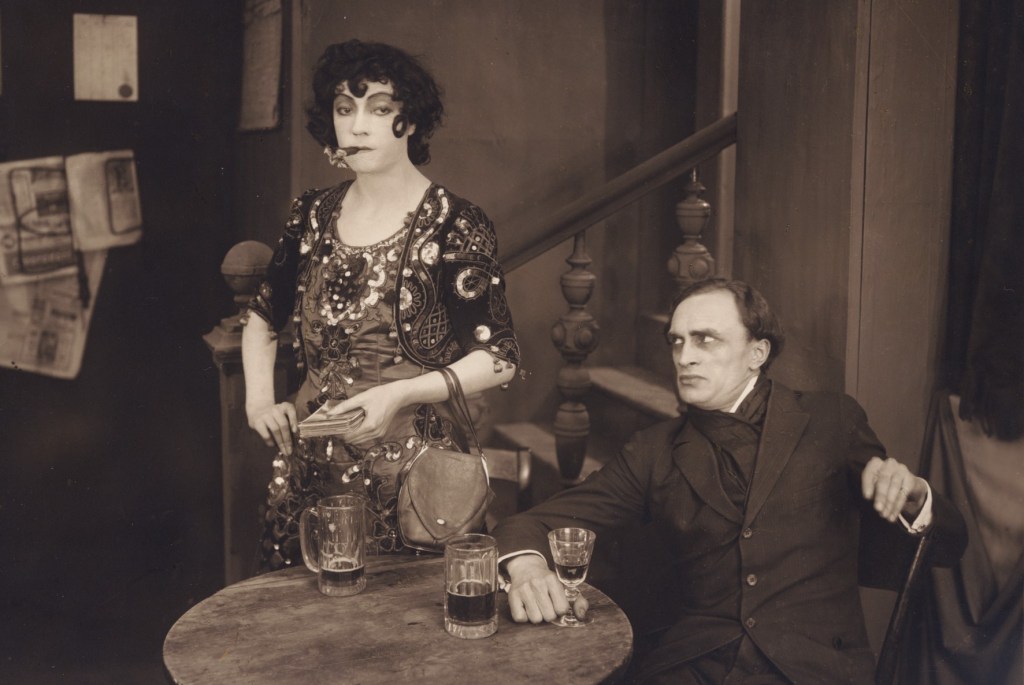
Der Reigen (1920, Richard Oswald, Merry-Go-Round), – unrelated to Arthur Schnitzler’s play, again features sexual dependency and prostitution. Elena (Asta Nielsen) is kicked out of her middle-class home by her mother and falls prey to Peter, a musician (Conrad Veidt), who attempts to prostitute her. She escapes his clutches to become a governess and then wife of a wealthy bourgeois, but is blackmailed by Peter, leading to her husband’s death, her murder of her pimp and her own suicide. While Elena is a victim of male perfidy, she is also a slave to her sexual desire, Nielsen playing the role ambiguously, caught in a web of bourgeois morality that cannot allow for female desire.
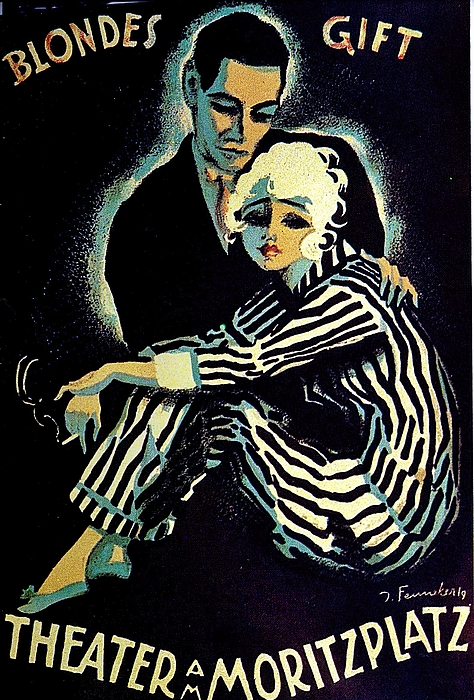
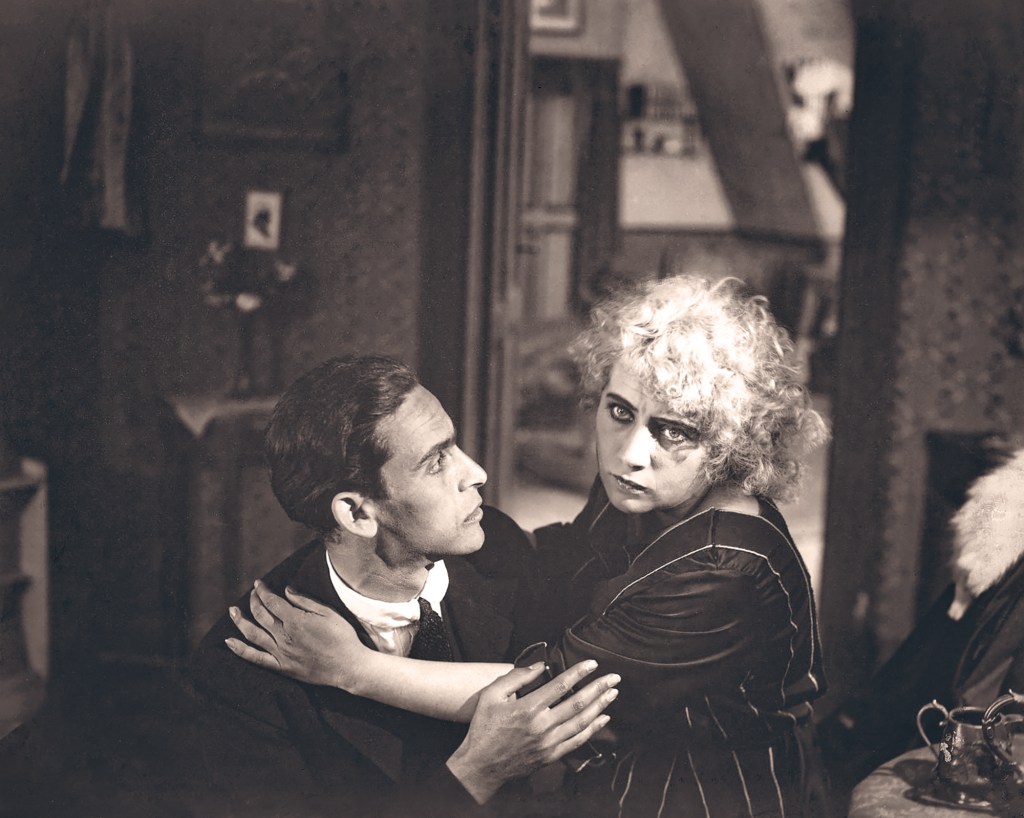
Blondes Gift (1919, Hubert Moest, Blond Poison), as the title suggests, offers an amoral and unscrupulous gold digger whose only goal is her own pleasure. Loni, a working-class orphan, re-meets Rolf von Roem (Conrad Veidt), a wealthy aristocrat she had known as a child and sees her chance for riches. Sexually obsessed with Loni, Rolf marries her and then when she has spent every last penny he has, steals from his family for her. Meanwhile, Loni’s former lover, an ex-con (Reinhold Schünzel) returns, leading to a deadly altercation between the male rivals. While the film warns against the dangers for middle-class men of working class-women, it also points to the violence men perpetrate against women: Loni’s father had beaten her mother to death and her lover also likes beating her, making her a ruthless exploiter of men; in the last scene we see her seducing the cop investigating the deaths of her two lovers.
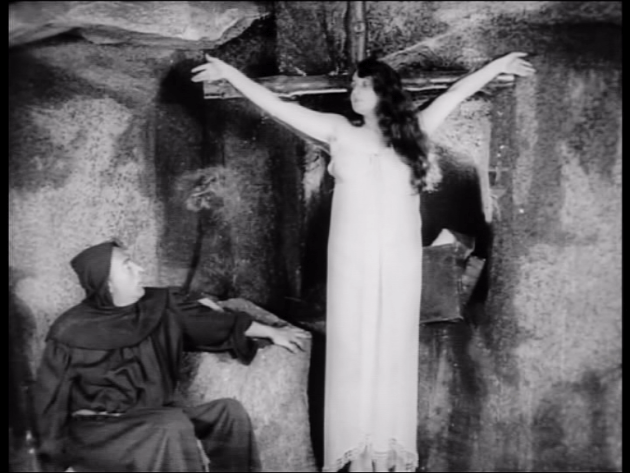
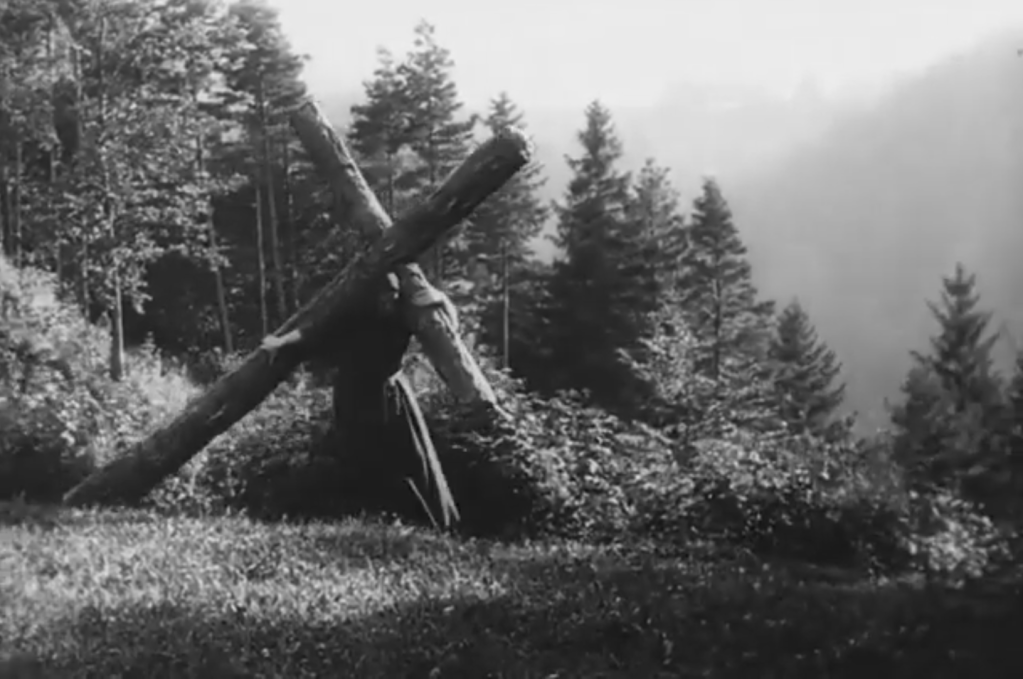
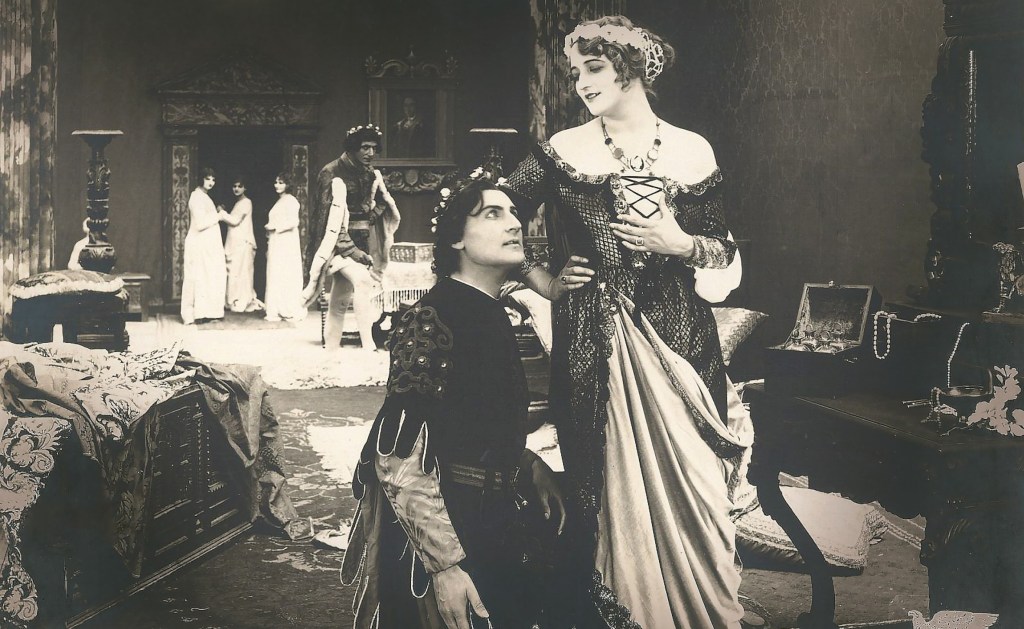
In the big-budget Pest in Florenz (1919, Otto Rippert), with a script by Fritz Lang, a famous courtesan, big as a German Hausfrau, seduces in succession Lorenzo, the son of the city’s ruler and Franziskus, a religious hermit, while rejecting Cesare, Lorenzo’s father. Cesare’s extreme religious repression subsequently leads to the city’s revolt (and his death at the hands of the son), Florence succumbing to orgiastic sexual desire, at least until the plague arrives, moral corruption collapsing all authority. In an image rife with Freudian symbolism, even the pious hermit surrenders to sexual desire, cutting down a wooden cross he had erected from a tree trunk. Unfortunately, Rippert’s overlong scenes in long shot of orgies and mass death are visually boring, the film’s 102-minute running time a torture for the audience.