Archival Spaces 410:
New Restoration Screened at 2nd L.A. Silent Film Festival
Uploaded 16 October 2026
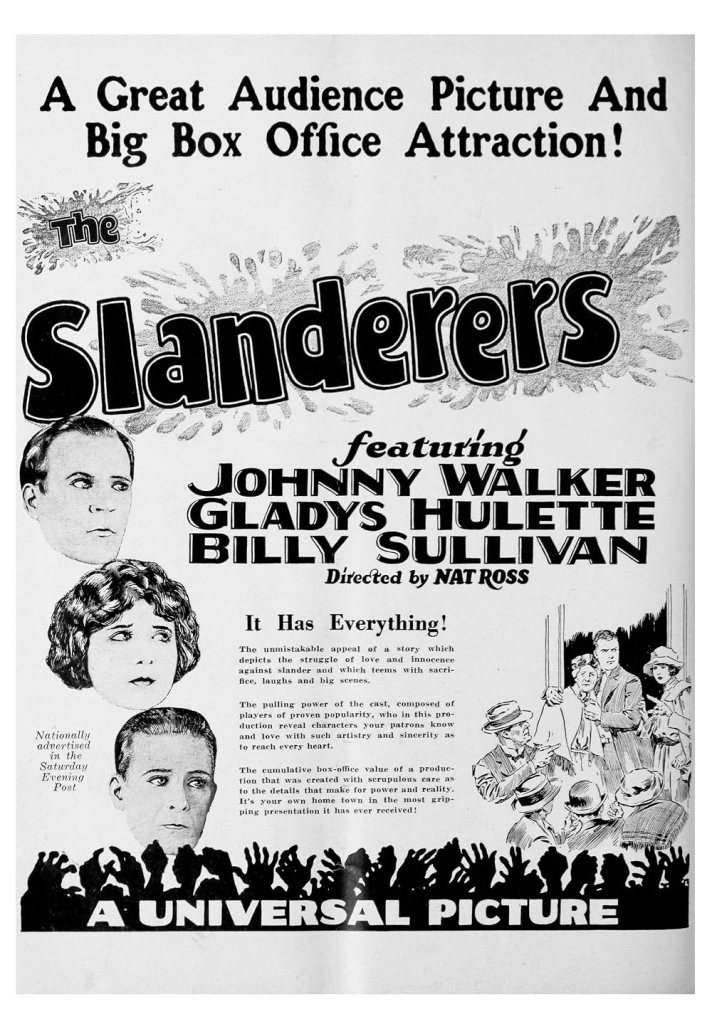
The 2nd Los Angeles Silent Film Festival, held at the American Cinematheque’s Los Feliz 3 cinema from 11-13 September, premiered two restorations from the HMH Film Archive at USC: Help Yourself (1927), an Al Brendel comedy one-reeler, and the Universal programmer, The Slanderers (1924), directed by Nat Ross, and starring Johnnie Walker, Gladys Hulette, and Billy Sullivan; the latter was considered a lost film, until film archivist Dino Everette’s colleague, Tom Barnes, pulled the 16mm print from a stack of films in the Adam Reilly Collection and suggested it would make a good candidate for digital restoration. Dino who was student at UCLA and employee in the Archive, has been director of the Archive for 16 years.
In 1949, Universal, then under the moniker of Universal-International, made the decision to burn its entire nitrate holdings from the silent period in order to reclaim the silver. All 5,553 films that Universal had produced between 1912 and 1930 disappeared in the flames. As a result, the only Universal silents that survive are either 35mm nitrate distribution prints in international film archives or so-called Universal “Show-At-Homes,” 16mm prints. Just as Kodak had distributed 16mm “Kodascopes” through its Kodascope Library from 1924 to 1939, Universal began selling Show-at-Home 16mm prints of its back catalogue, through camera stores, beginning in the mid-1920s. Unlike the Kodascope library, whose films were rented to customers, Show-At-Homes were sold outright to owners of 16mm Kodascope projectors. The going price was about $20 a reel, and, according to film collector Jack Theakson, they were printed off camera negatives. The surviving print of The Slanderers has a 1939 edge code, according to Isabella Scaffide, who worked with Everett on the restoration, so it was probably produced at the very end of the cycle.
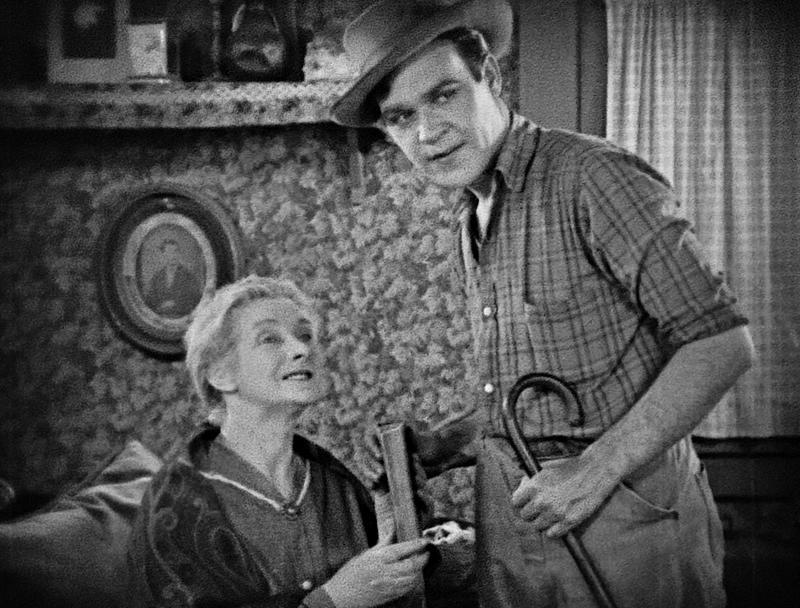
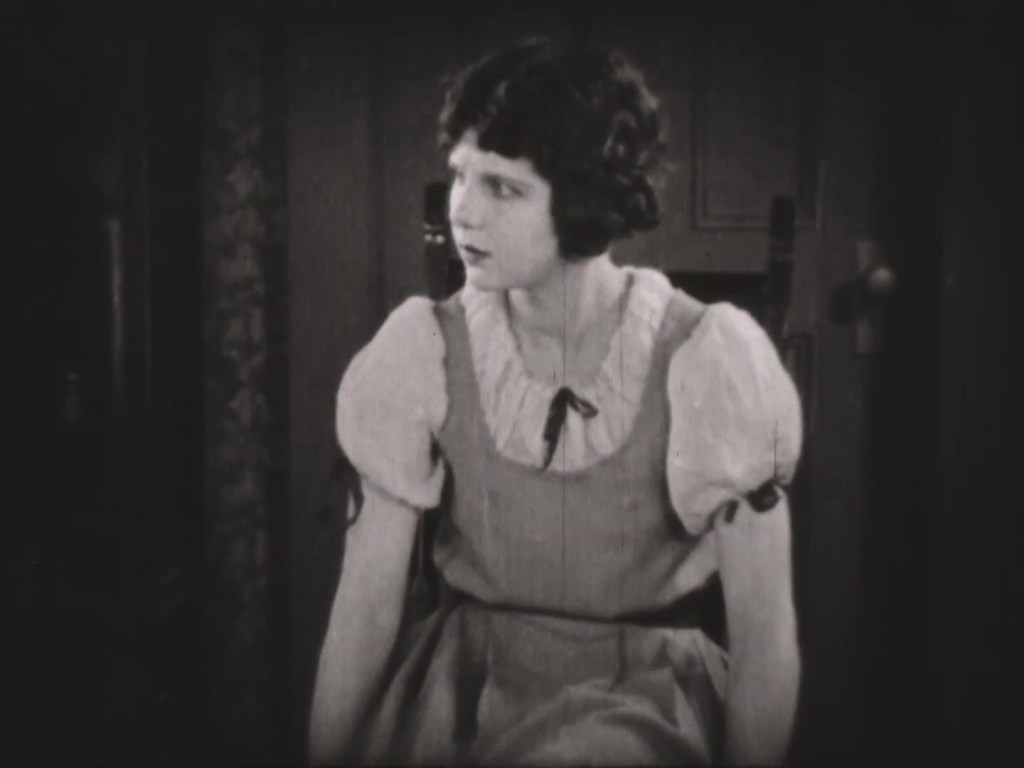
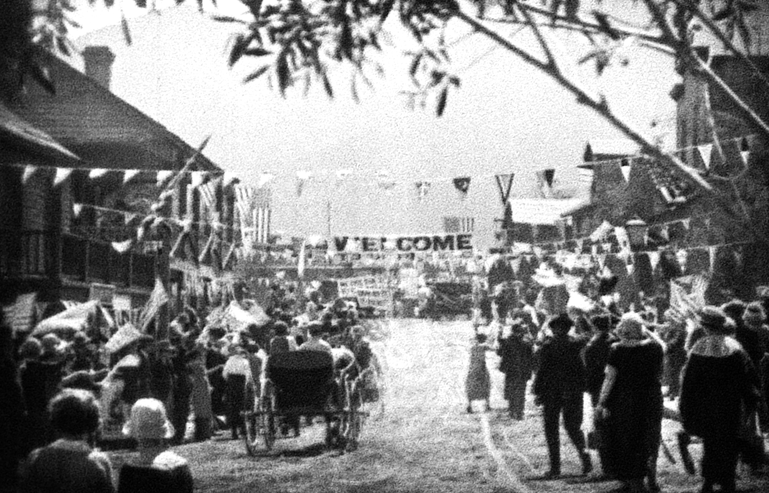
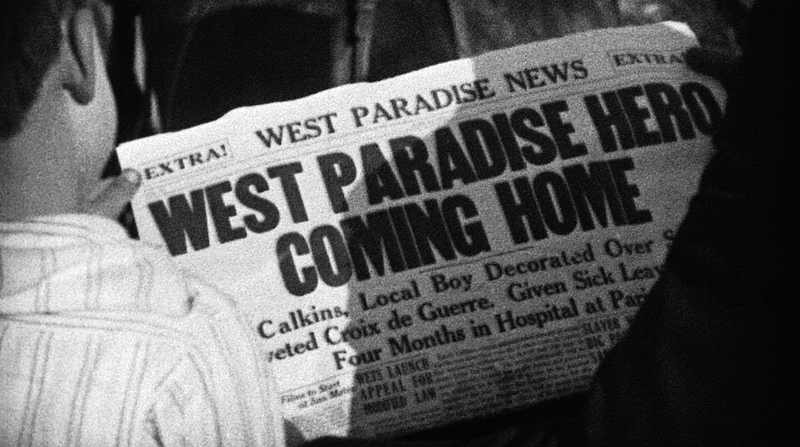
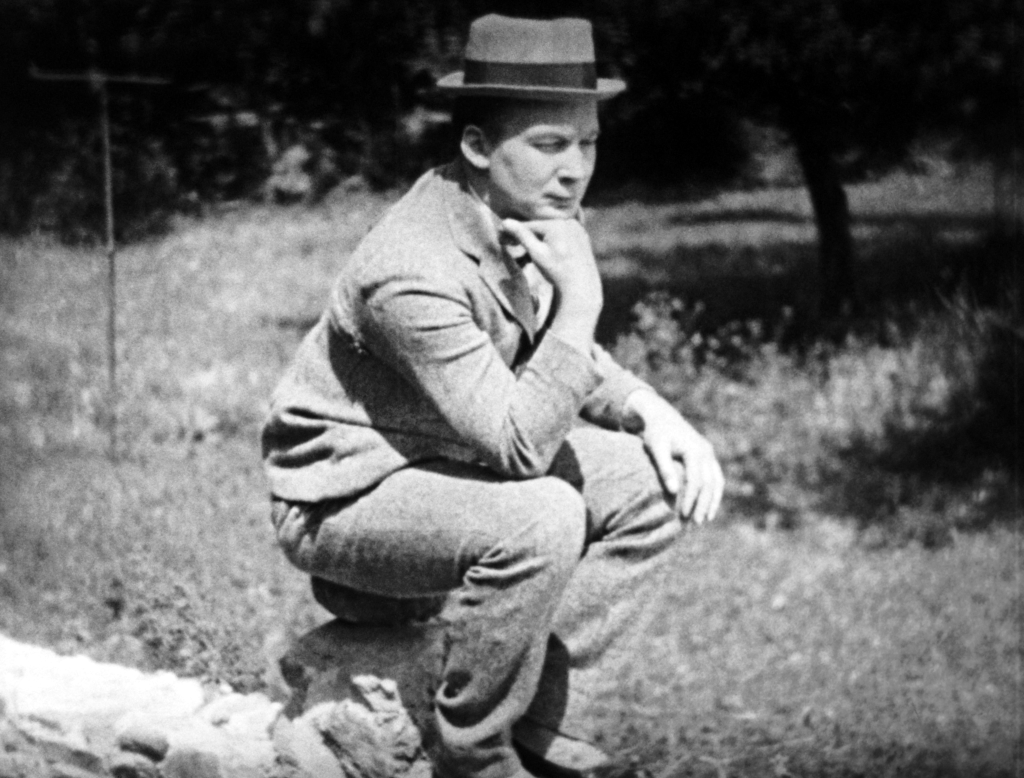
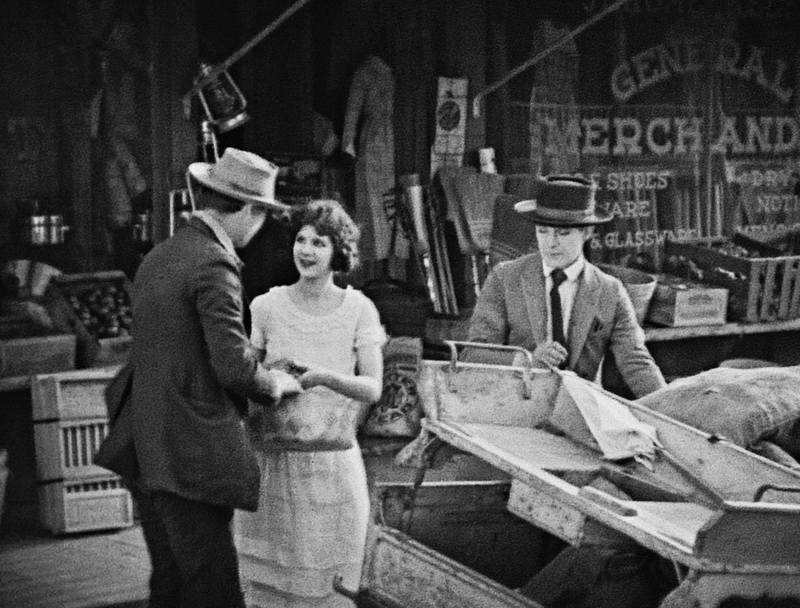
As a melodrama, The Slanderers was clearly addressed to Universal’s core rural audience. A farming family, consisting of two brothers, Johnnie and Larry Calkin, an old mother, and a young (orphaned?) woman, Gladys Grey, are threatened by a violent, uncaring uncle who wants to sell the farm and evict his sister. When Larry confronts Uncle Todd Calkins, who earlier brutally beat Larry, the uncle dies of a stroke, but it is Johnnie who is arrested because the younger brother has enlisted to fight in World War I, and Johnnie had been heard threatening the uncle. He is acquitted, but the townspeople of West Paradise ostracize the family, thinking he is guilty, and after the mother’s death, attempt to put Gladys into a home for wayward women. Although both brothers initially love Gladys, Larry steps back after returning to the town as a war hero, while silencing the harpies.
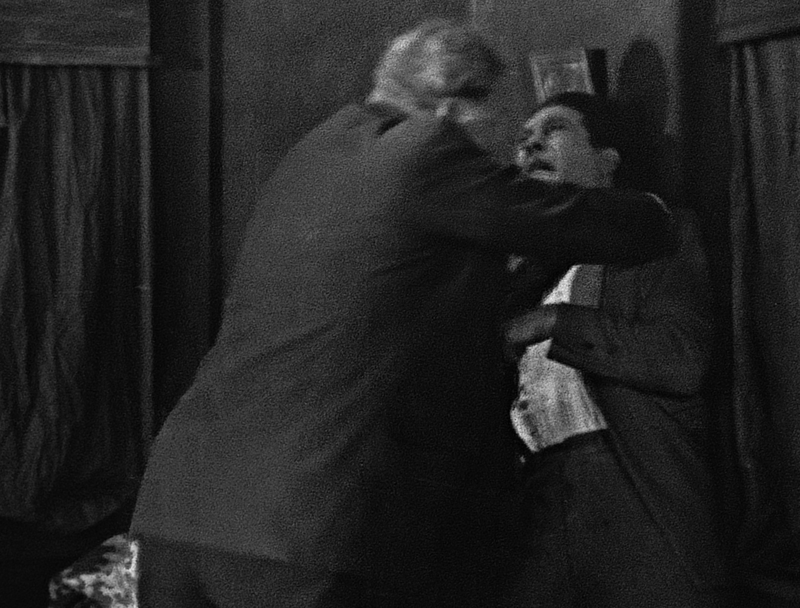
The 16mm print of The Slanderers was scanned with a 5K Kinetta digital scanner, which Everett swears by for its versatility. It can handle virtually any format, whether 9.5 mm, 16mm, 28mm, or35mm, whether shrunken or with torn or missing sprocket holes, because the Kinetta uses neither sprockets nor conventional rollers, but rather 3” Particle Transfer Rollers, which remove most dust and surface debris from the film. For further visual clean-up and stabilization, Everett used VIVA Digital Film Restoration software by Algosoft Tech. The restoration of Help Yourself was sourced from two different 16mm reels in the collection of Louie Despres, one a re-edited single-reel sound version, the second a reel of outtakes that were intermixed with outtakes from another film entitled Social Error (1922).
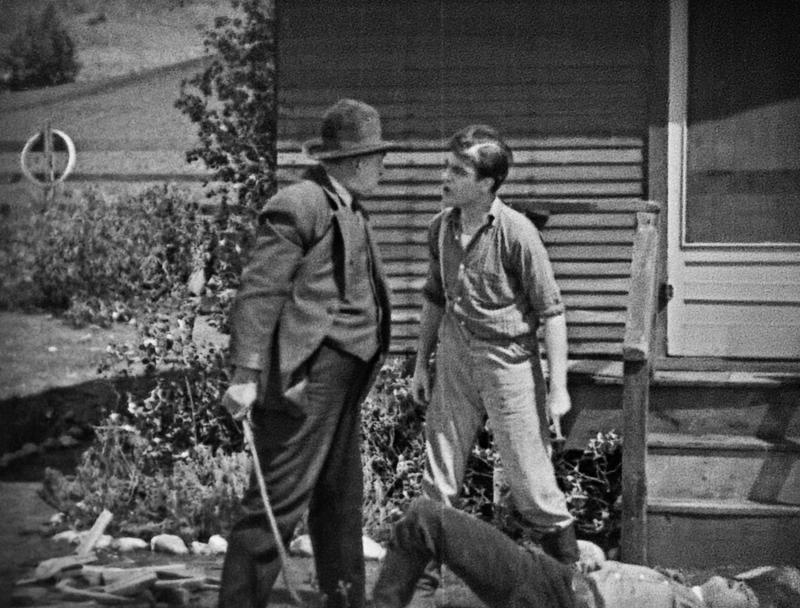
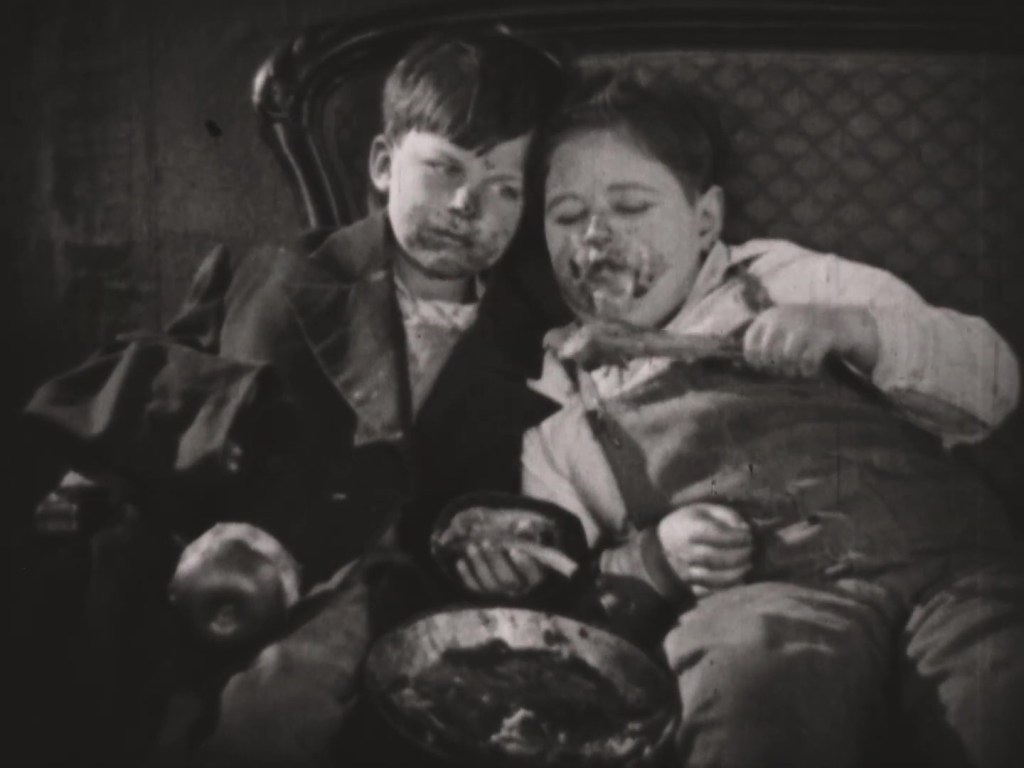
The Slanderers was directed by Nat Ross, whose main claim to fame was directing numerous episodes of Universal’s highly successful short film series (46 episodes), The Collegians (1926-29). Produced by Carl Laemmle, Jr., the films depicted the four years of college life of protagonist Ed Benson, played by George J. Lewis, with Dorothy Gulliver as June Maxwell, and Eddie Phillips as Don Tren. Nat Ross, allegedly a nephew of Carl Laemmle, sen., spent his whole career at Universal, directing more than 60 films, mostly shorts, before his career more or less ended in 1931. Johnnie Walker began his film career at Edison, became a star at Fox Film Company, and then played leads throughout the 1920s at various studios, but he did not survive the transition to sound; one of his best-known roles was in James Cruze’s Old Ironsides (1926). Interestingly, Billy Sullivan, who played the younger brother, was actually three years older and looked older in the film. Sullivan had started in 1914, was a featured player, including in his own series in the late 1920s, but played only bits in the sound period.
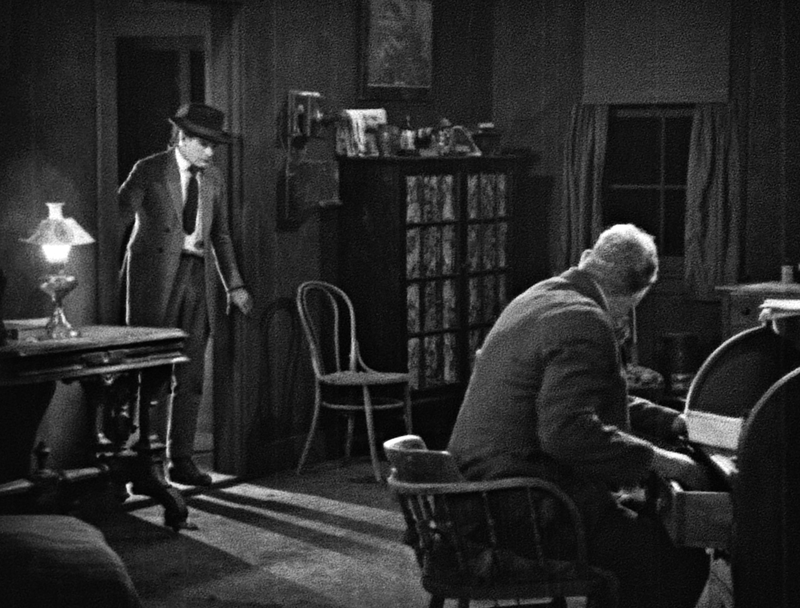
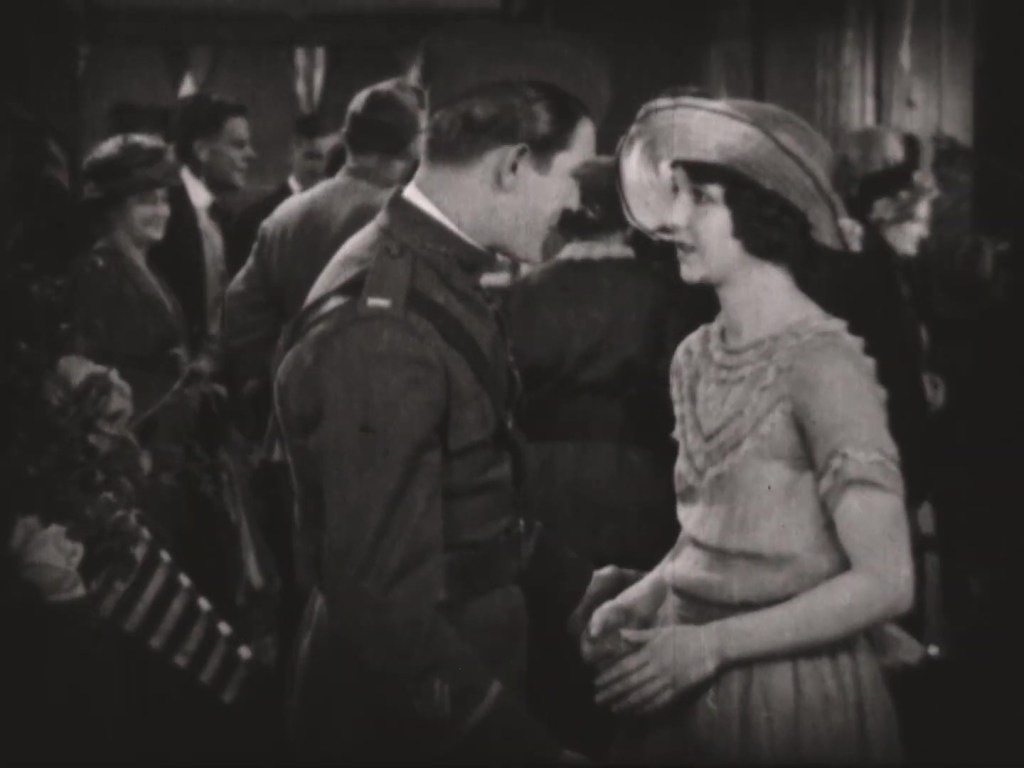
In the 1920s, slightly less than 50% of the American population lived in rural areas, yet Hollywood films about farming communities were rare, Tol’able David (1921) and Sunrise (1927) being outstanding examples, while Charles Ray’s The Ole Swimming Hole (1921) was a spectacular box office failure. The Slanderers focuses on vicious gossiping, busy-body small-towners, and the economic peril farmers experience; its harsh social critique is rare for Hollywood. Aware of the strict morality of its audience, Universal passed over the fact that Johnnie and Gladys live alone under the same roof, showing them to be in love, but without having sex. Meanwhile, Larry fights in the war and is sleeping with a French girl, but we only see her photo.
Congratulations to USC for reviving this rather unique and interesting view of rural America in the 1920s.