Archival Spaces 407:
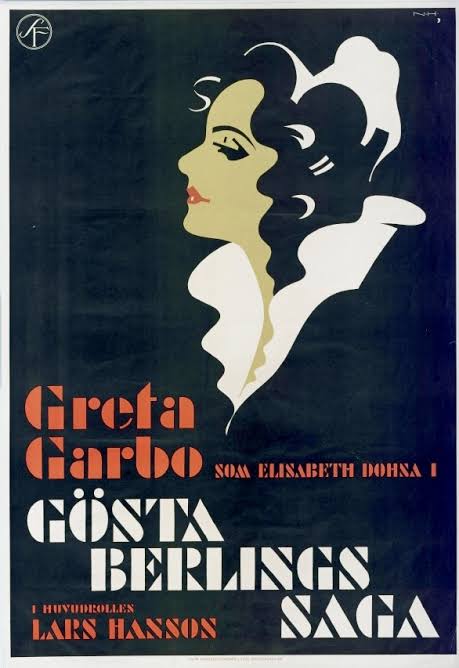
The Saga of Gösta Berling (1924, Maurice Stiller)
Uploaded 4 September 2026
This year’s Silent Film Festival in Bonn, Germany, was held between 13 and 22 August 2026. The open-air festival in Bonn included 14 features and six shorts. An abridged program was available for streaming here in Germany, but did not include the features: The Overcoat (1926, Kozintsev/Trauberg), National Customs (1935, China), Robinson on His Own (1929, Lazar Frenkel), as well as all the shorts, except the German, Bubi’s Haircut (1919). The streaming program opened with a new restoration of the two-part The Saga of Gösta Berling (1924), directed by Maurice Stiller, from Selma Lageröf’s novel.
When The Saga of Gösta Berling was released in 1924, both parts had a combined length of 4,534 meters, or 221 minutes at 18 fps. I first saw a 35mm print at the George Eastman Museum in the 1970s; it being one of James Card’s prized possessions because it’s Greta Garbo’s first starring role. The American release version I saw had been cut down to a single feature of under two hours. In 1975, the Swedish Film Institute completed an analog restoration that ran 184 minutes, which is available on YouTube with English titles and was released by Kino International.
The digital version shown in Bonn is based on the analog reconstruction from 2018, with some new editing. The main source for the reconstruction was a duplicate positive from the Swedish Film Institute, made from the film’s original nitrate negatives. Several scenes were extended from an additional duplicate positive and negative, and a tinted nitrate print from the Cinemateca Portuguesa (Lisbon). Two b/w acetate prints held by Gosfilmofond (Moscow) were also utilized. Tinted nitrate prints from the Cinémathèque française (Paris) and the Deutsche Kinemathek (Berlin), were consulted for continuity.
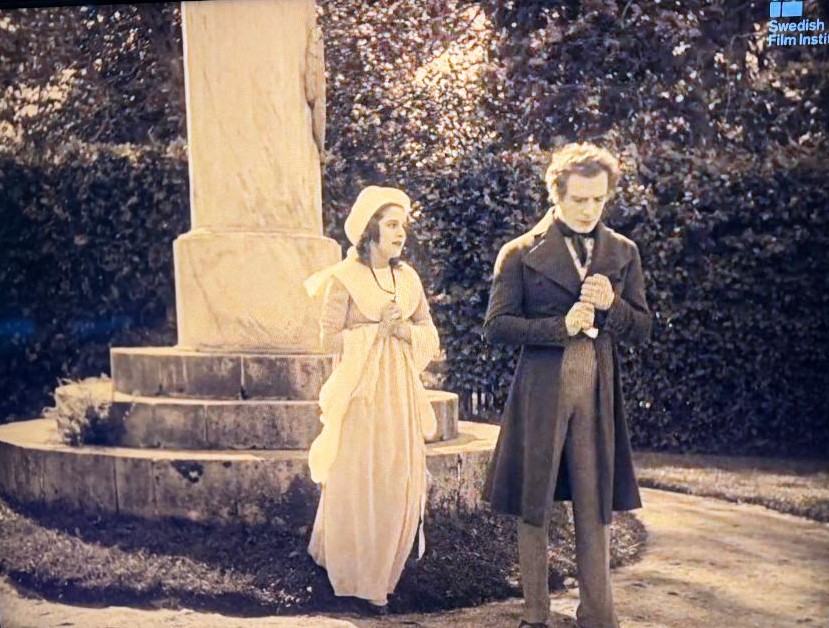
The film’s intertitles have been recreated from an original text list submitted to the censorship authorities. Only three of the intertitles, originally designed by Alva Lundi, survived, so all 405 titles were recreated, using the design as an inspiration for the font. The original intertitles had drawings and illustrations, which couldn’t be recreated. The tinting colors were recreated from the Portuguese print. The intertitles’ toned color is based on a description in a contemporary trade paper.
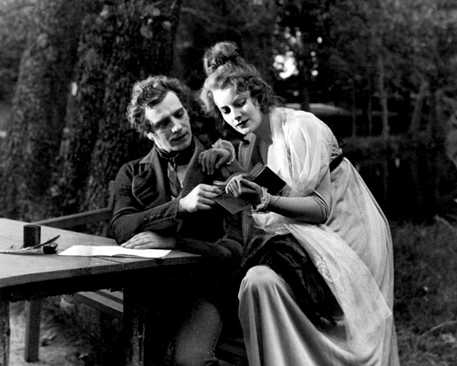
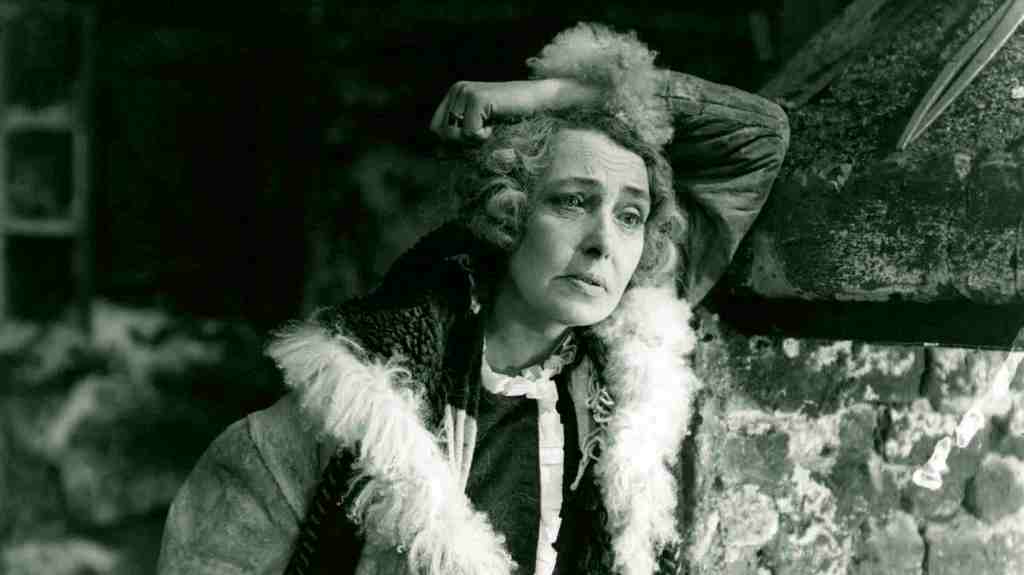
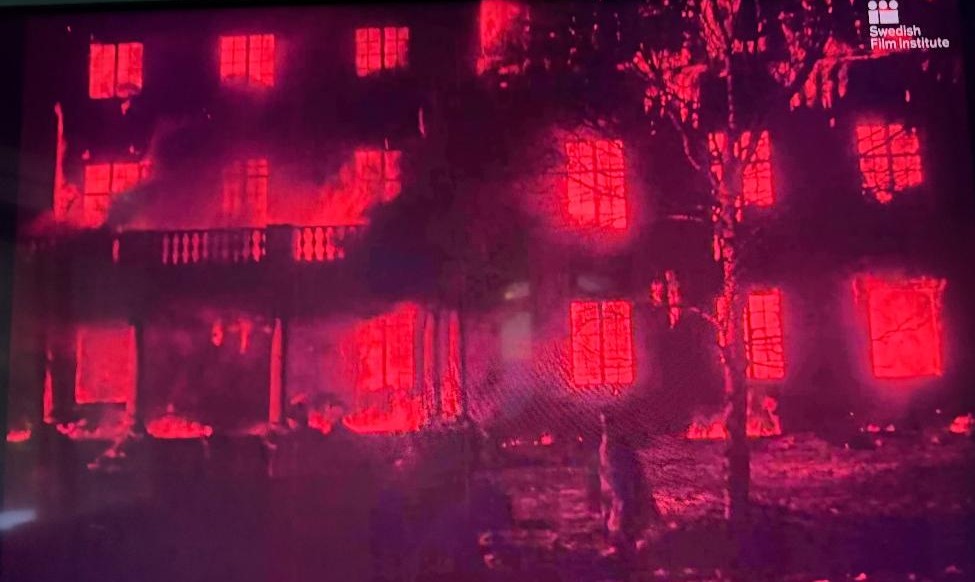
The present digital restoration, completed in 2024, runs 204 minutes, although some of the length may be due to the film being streamed at the correct speed, instead of at 24 fps of the Kino version. Comparing the two versions, the image quality of the new restoration is much clearer and cleaner, the result of digitizing the nitrate negatives. It is fully tinted in brilliant colors, rather than all b & w, the red from the burning of the mansion being particularly impressive. As was the custom in European silent cinema, titles marking the separate beginnings and ends of acts have been added, while all titles are held longer than in the English translations. Finally, the editing is much more complex with more close-ups and cross-cutting, as well as many more shots within reordered scenes. In some cases, new material has been added, e.g., when Berling remembers in a flashback reading to Elizabeth, the interpolation consists of numerous shots and not just the single image in the Kino version.
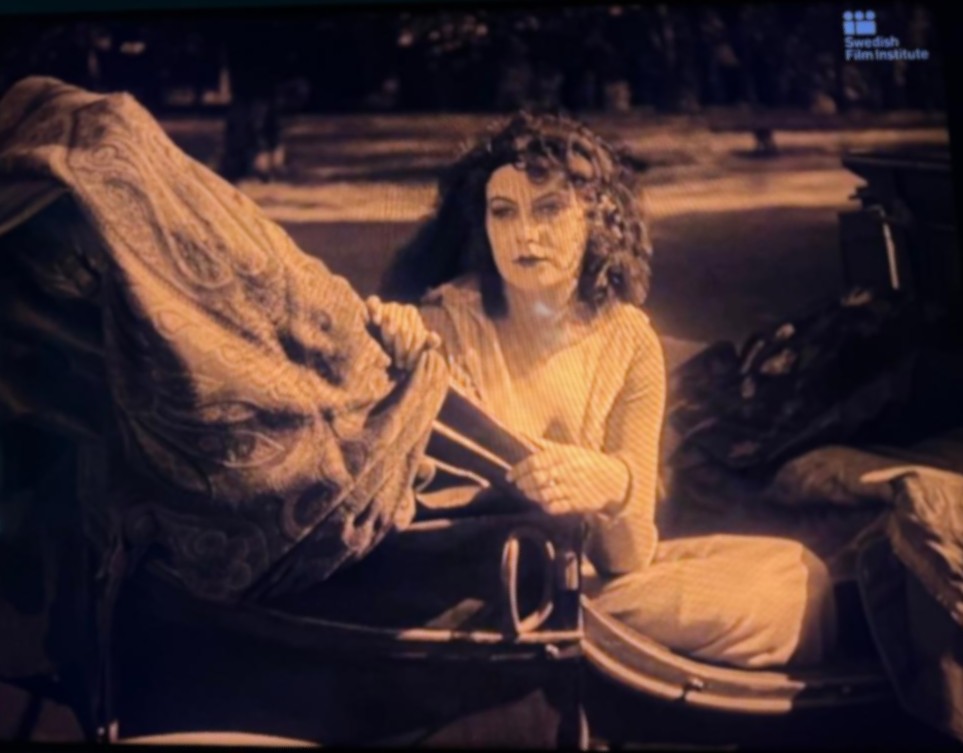
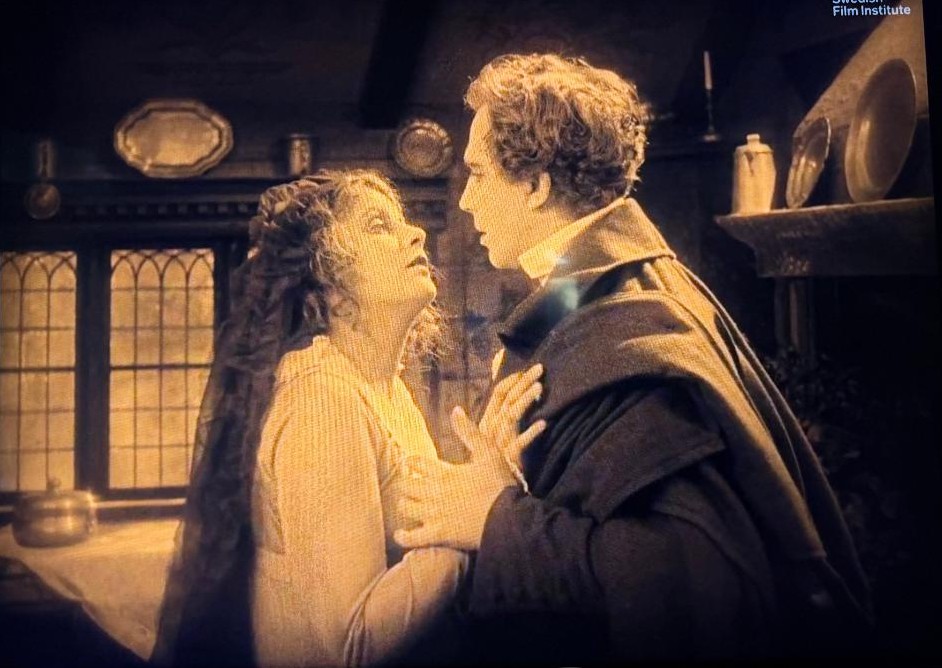
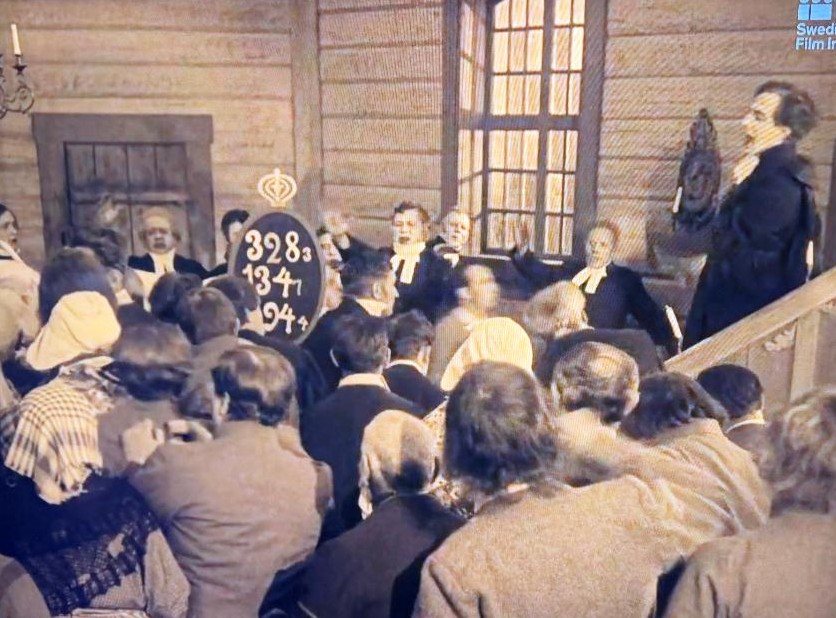
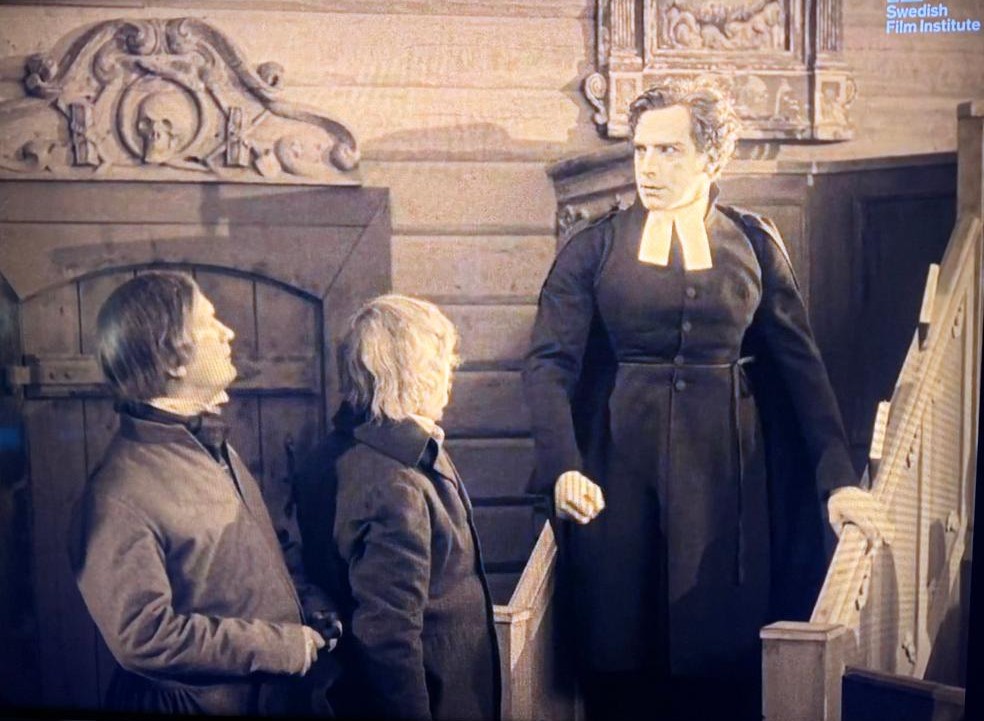
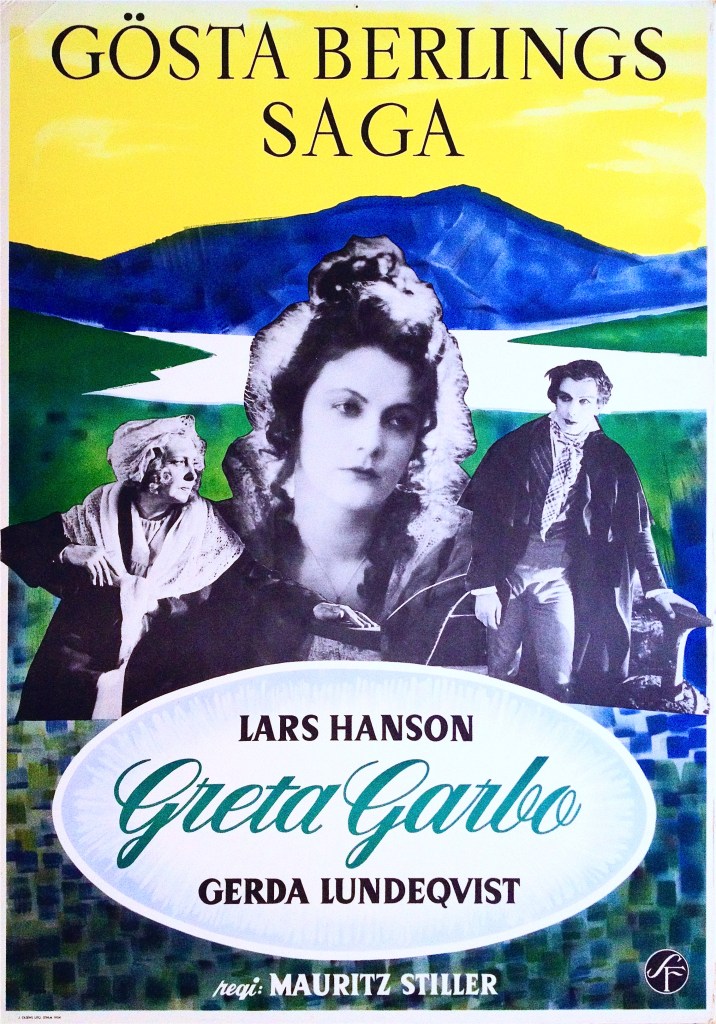
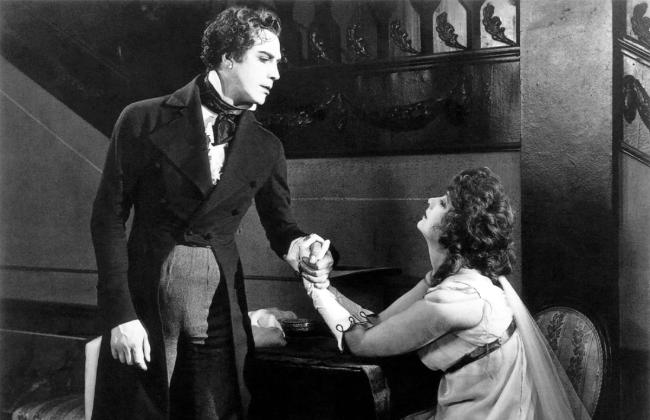
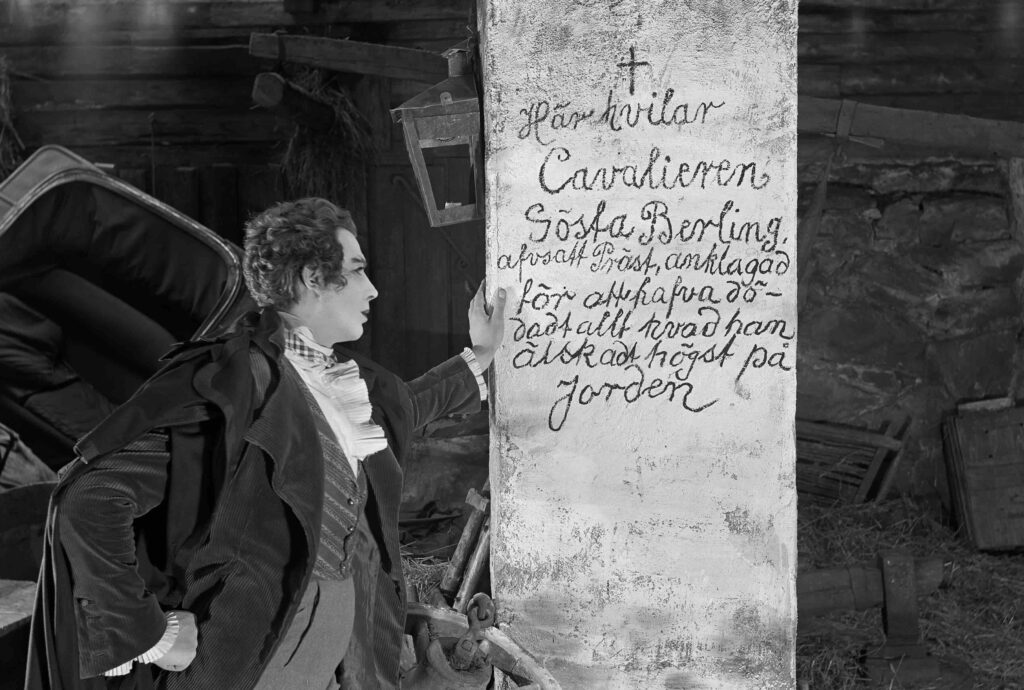
The plot of the two-part film is too involved to repeat here in full, but the story essentially related the fate of a defrocked Lutheran minister, played by Lars Hanson, who loses his pulpit because he is a drunk and insults his congregation. He leaves and, in the following, has relationships with three women: Tutor to Ebba Dohna, the stepdaughter of the mistress of Borg, Berling flees when Ebba, who is in love, hears he has been defrocked, and dies. Berling is taken in by Margaretha, the mistress of Ekeby Manor, making him one of her “Cavaliers.” There, Berling is kissed on stage by Marianne Sinclair during a pantomime skit, leading her father to disown her; finding her lying in the snow, Berling hides her in Ekeby, where she contracts smallpox, and rejects Berling’s marriage proposal. Meanwhile, Margarethe’s own past is exposed by a Cavalier, and her husband bans her. Margarethe later returns to Ekeby and burns it down; Berling rescues Marianne, then finds Elisabeth Dohna, who had in Italy illegally married her step-brother, Henrik, wandering over the frozen lake. After Ekeby has been rebuilt, Margarethe turns the keys over to Berling and Elizabeth who have married.
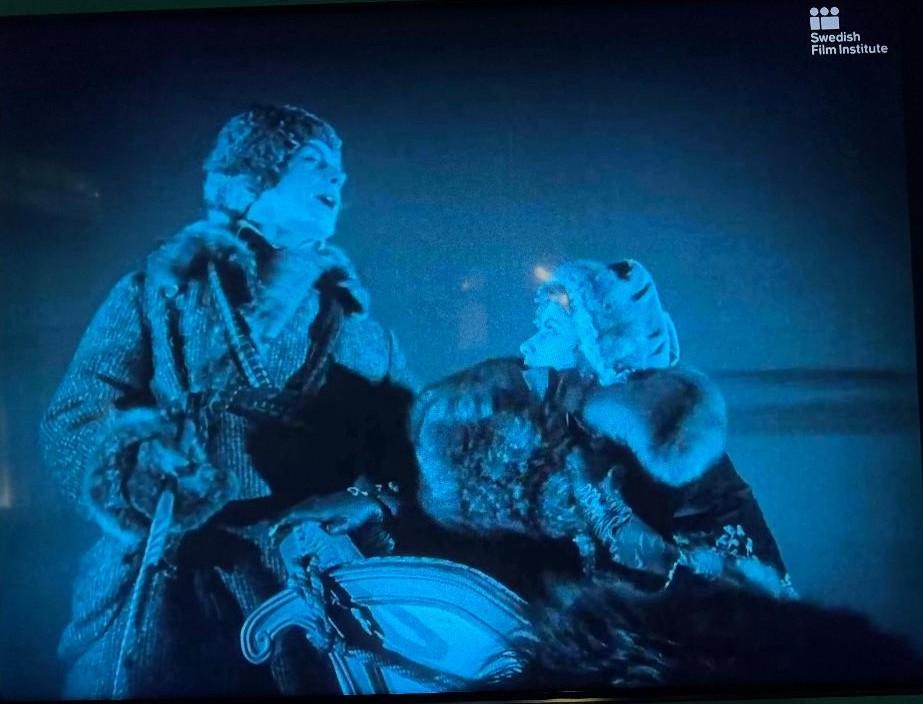
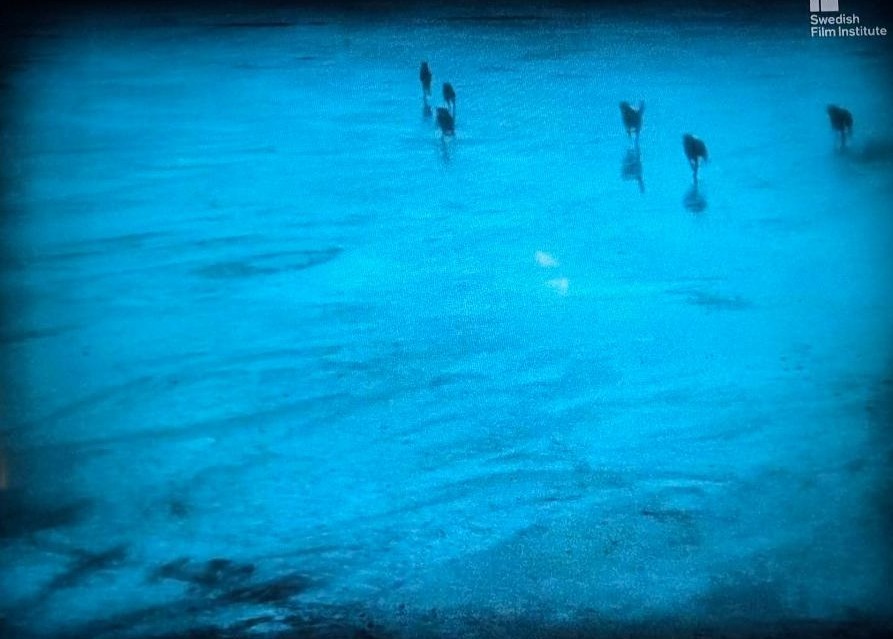
The many intrigues and reversals of fortune are indeed melodramatic, but the film’s epic scope is reinforced through sumptuous sets and costumes. Many scenes offer real spectacle, e.g., the burning of Ekeby and the sleigh ride across the ice, as wolves chase the couple. Greta Garbo, who plays Elizabeth, is luminous, – one immediately understands why G.W. Pabst brought her to Germany for The Joyless Street – as is Gerda Lundquist as Margarethe, the mistress of Ekeby. Framing the drama is Stiller’s harsh and beautiful Swedish winter landscape, a fitting metaphor for the cruelty of life in this masterpiece of world cinema.


Thanks for this info about Greta Garbo’s early acting career. In the popular press and movie publicity magazines in the 1960s, Greta Garbo, long after her last film, continued to be their elusive subject. A paparazzo-style photo of Greta Garbo walking in her Upper east side neighborhood was published in the news. As a child reading the Hollywood publicity magazines, I was impressed that she was written about as if she were a divinity.
LikeLike
I once saw Garbo waking down Lexington Ave on the East side around the 60s. Must have been the late 1980s.
Dr.. Jan-Christopher HorakProfessorUCLA School of theatre, Film & Digital Media545 Sierra Vista AvePasadena, CA 91107USA
LikeLike