Archival Spaces 406:
Letty Lyndon (1932) screened at American Legion Hollywood
Uploaded 21 August 2026
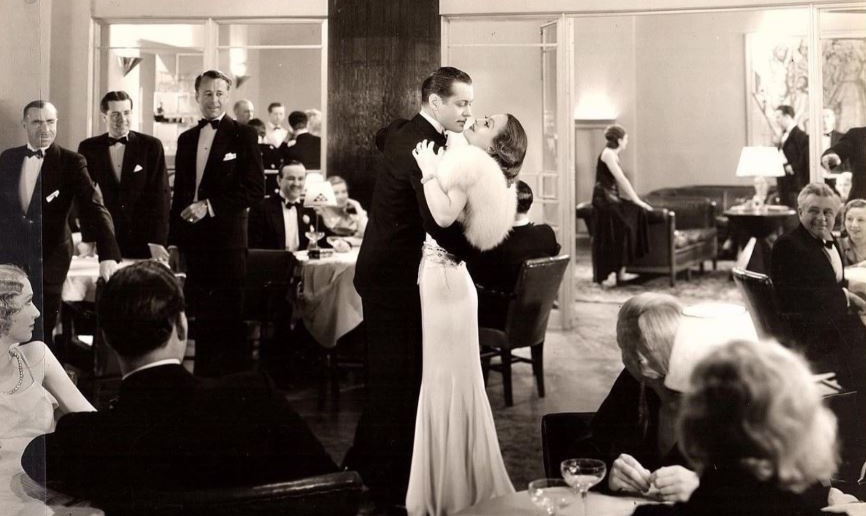
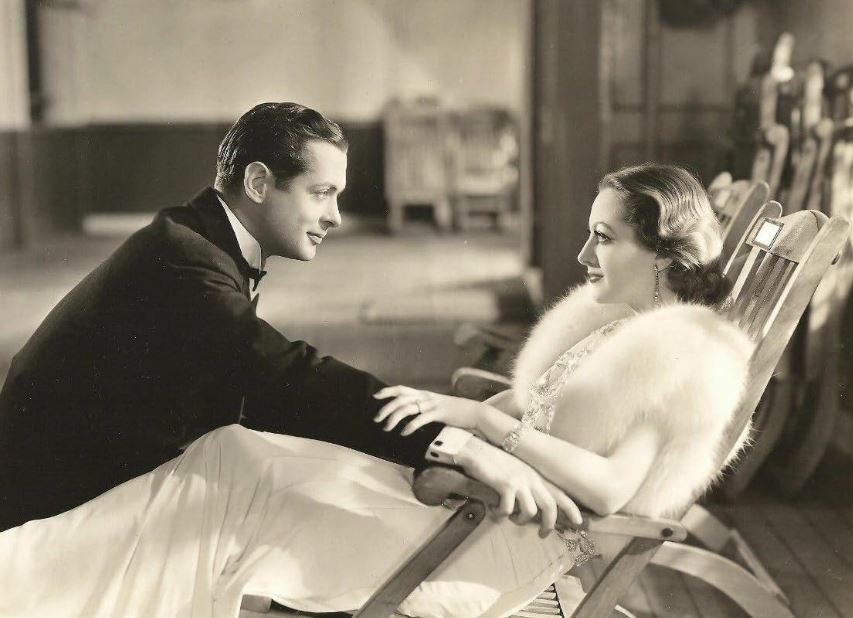
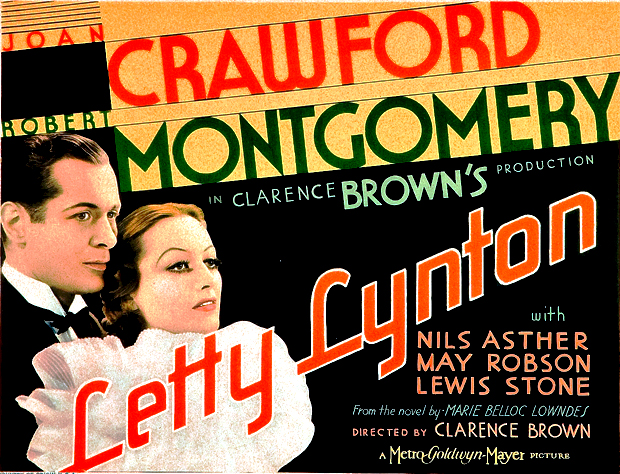
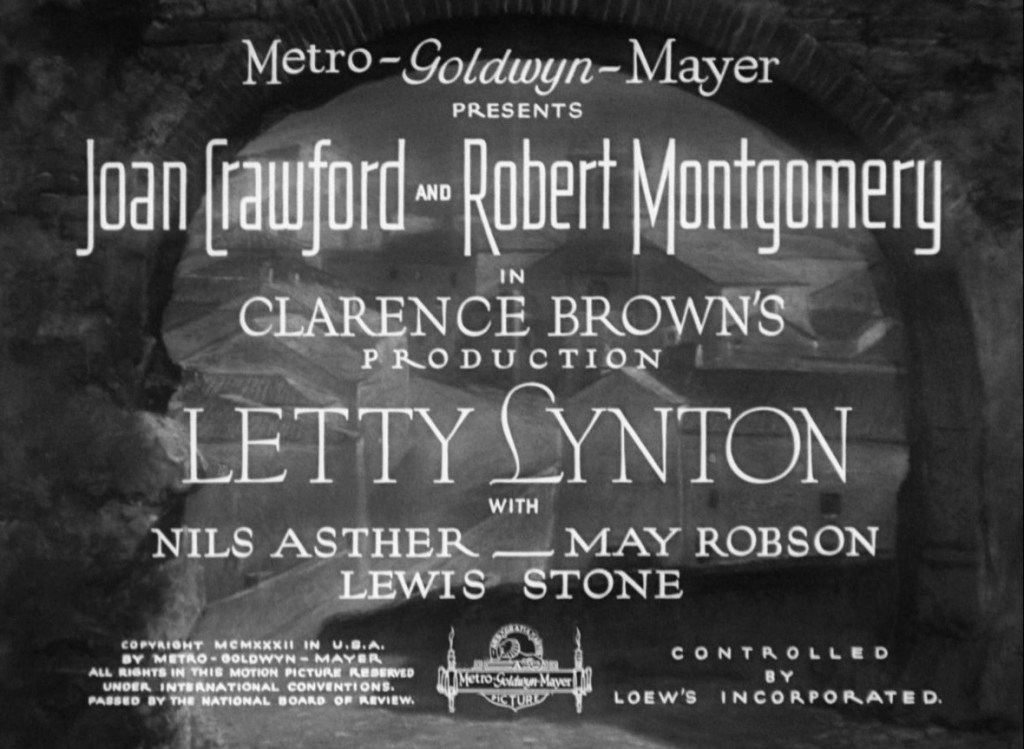
On 25 July 2026, the Art Deco Society of Los Angeles and Hollywood Heritage presented a matinee screening of Clarence Brown’s Letty Lynton (1932), a film starring Joan Crawford, Robert Montgomery, and Nils Asther, which had not been available for public performance for ninety years. Produced by Metro-Goldwyn-Mayer, when Crawford had reached A-list status, after her huge success in Grand Hotel (1932), next to Greta Garbo no less, Letty Lynton saw Crawford switching from hard-working-class social climbers to upper-crust women of privilege. The film was a monster success, but was eventually pulled from circulation by Loew’s Inc., due to a lawsuit brought by the authors of a successful 1930 Broadway play, “Dishonored Lady;” the playwrights claiming the film had violated their copyright.
The film opens on a disreputable street in Montevideo, where socialite Letty Lynton (Crawford) is dancing the night away with a slimy gigolo Emile Renaul (Asther), but apparently is ready to end the three-month affair. He refuses to accept her decision, so she hops on a steamer to New York with her maid, Miranda (Louise Closser Hale), meeting and falling in love on board with Jerry Darrow, a wealthy American heir; they become engaged. To her horror, Renaul is on the dock waiting to take her back to South America, and later turns up at her mother’s Park Ave address, attempting to blackmail her with her love letters and forcing her to meet him at his hotel that evening, even though she is to leave for Upstate to meet Darrow’s parents. Letty is eventually accused of murder, but the D.A. (Lewis Stone) cannot prosecute because Darrow, Letty’s mother, and the maid are ready to testify that Letty was with Darrow at the time of the murder.
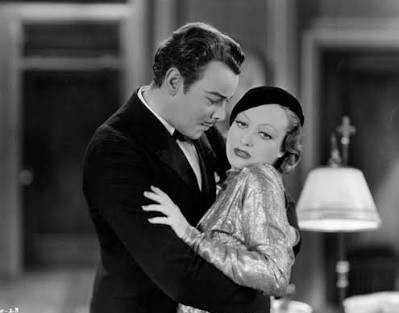
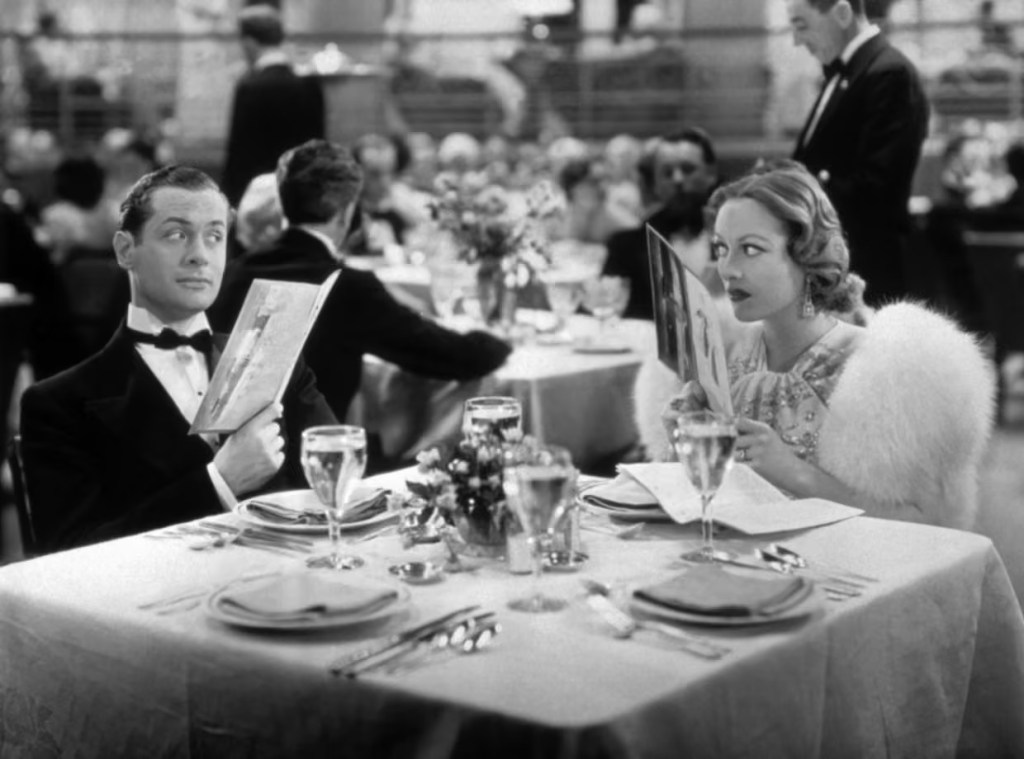
MGM’s balance sheets noted that Letty Lynton pulled in $754,000 domestically (including Canada) and $418,000 in foreign markets, with estimated profits of $390,000 ($9,508,200 in 2026). The film was ostensibly based on a 1931 novel, Letty Lynton, by Marie Belloc Lowndes, which in turn fictionalized the historical case of Madeleine Hamilton Smith, a Scottish woman who in 1857 was accused of murdering her lover with arsenic, after he threatened to expose her love letters; she was acquitted of one count, the jury returning a second verdict of “not proven.”
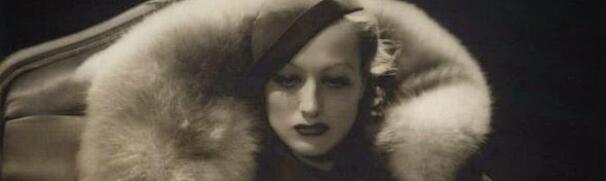
However, authors Edward Sheldon and Margaret Ayer Barnes based their play “Dishonored Lady” on the same historical case. To make matters worse, MGM had attempted to acquire the play, but refused to pay the $30,000 price tag, purchasing Lowndes’ novel for a mere $3,000. Another problem was that the Hays Office refused to approve the play, given they considered the story to be about a “nymphomaniac.” In the subsequent lawsuit, the authors sued for copyright infringement and plagiarism. In July 1939, the Court ruled in favor of the plaintiffs, awarding them one-fifth of Letty Lynton’s profits. In 1947, Hedy Lamarr’s production company produced Dishonored Lady, which is credited to the Sheldon/Barnes play, but only resembles it very loosely.
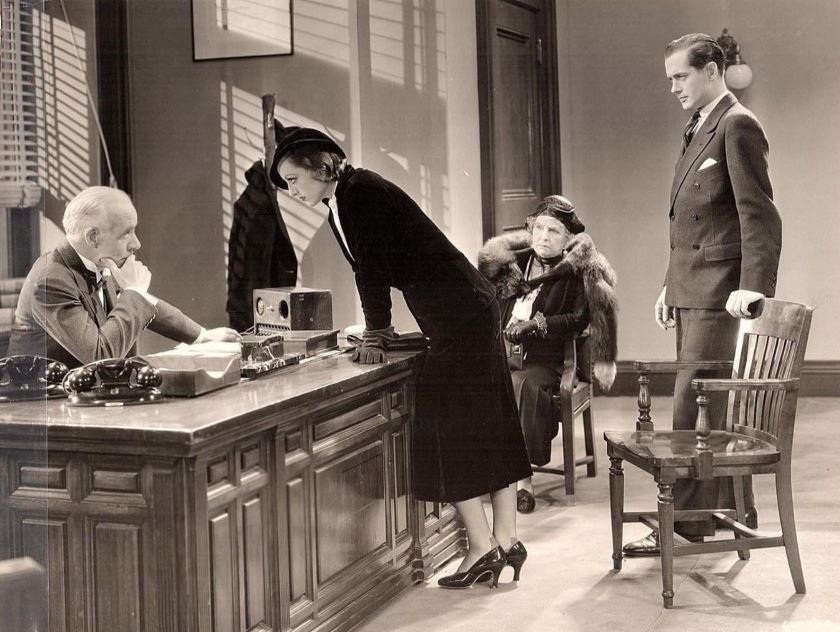
The underlying copyright did not expire until 2025, at which time Crawford’s grandson, Casey LaLonde, contacted Warner Brothers, stating it was legally safe to screen the film, and that the company which owns rights to all pre-1986 MGM films, only had a limited window to release the film, before Letty Lynton would itself fall into the public domain in 2027. As in the case of a number of other pre-Code Joan Crawford films, MGM had made 35mm preservation masters in the 1960s, which became the basis for Warner Brothers’ subsequent 4 K restoration, thanks to George Feltenstein, Warner-Discovery library historian, who advocated for the film. The new premiere took place earlier this year at the TCM Film Festival in Hollywood and was released on Blu-ray on 30 June; it has done so well that Warners released it on DVD on 14 July. The new version looks immaculate, highlighting the art deco sets and Crawford’s stark black and white outfits.
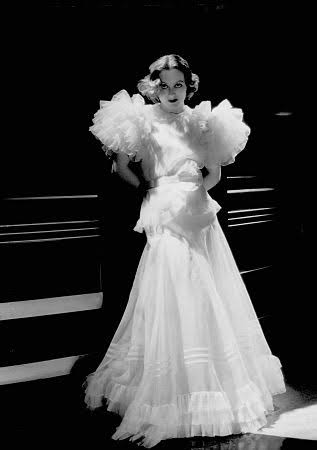
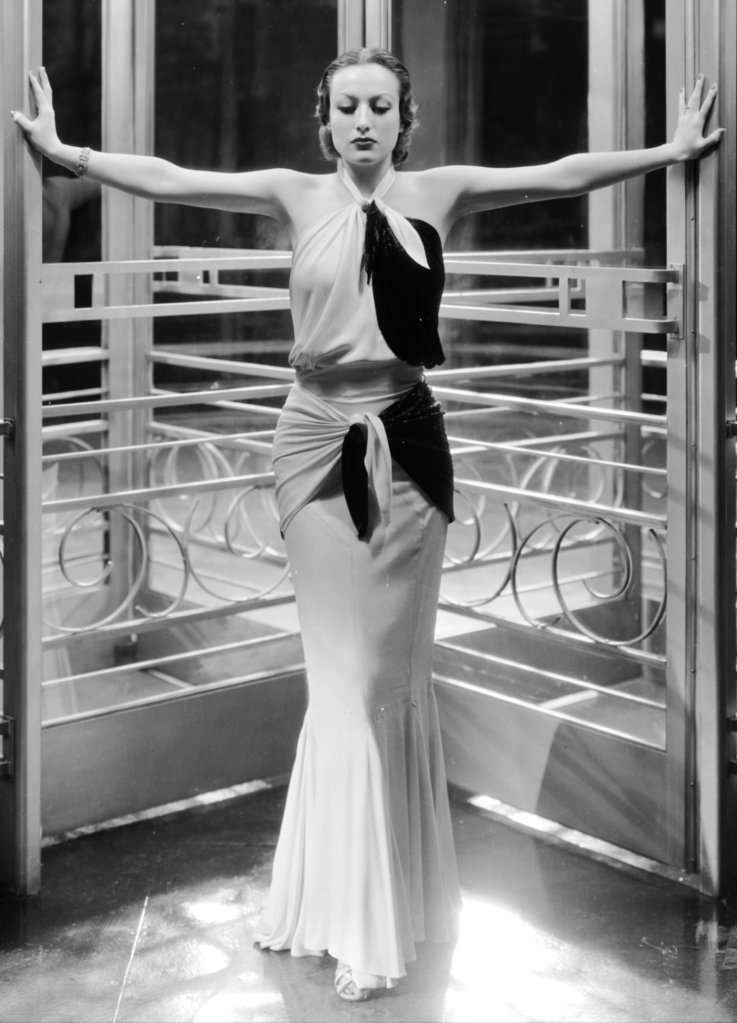
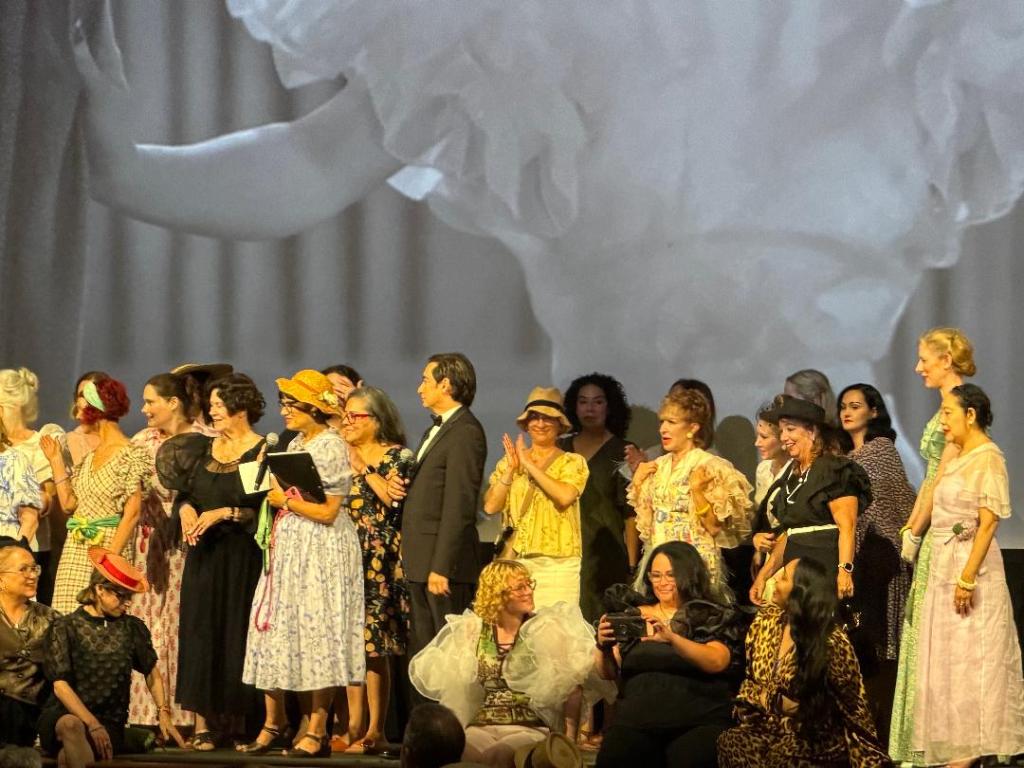
Before the screening at the American Legion, there was much discussion about costume designer Adrian’s dresses for Joan Crawford, in particular a white cotton organdy dress with puffy sleeves at the shoulder, which MGM had licensed to Macy’s, subsequently earning another fortune. However, the published story that the dress sold 50,000 copies appears to be apocryphal. Audience members who wore puffy-sleeved dresses to the screening were subsequently brought on stage for a photograph. The almost sold-out crowd seemingly enjoyed the pre-show and Joan Crawford in this pre-Code classic.
While the film manages to make Lynton both guilty and not guilty of murder, thus satisfying possible objections from the Code Office, at least before the new Hays Office under Joseph Breen would most certainly have shut the film down, Crawford and the rest of the cast give very believable performances. It is also a very modern story, echoing today’s “Me Too” movement, especially when the villain beats up Letty for denying him sex and essentially keeping her in sexual bondage. Unfortunately, I also kept seeing Charlie Chan behind Asther’s villain.