Archival Spaces 405:
The World Belongs to Us (1937)
Uploaded 7 August 2026
In my last blog, I discussed the films of the Czech comedy team, Jiří Voskovec & Jan Werich, available on a 4-disc-set, produced by the Czech National Film Archive, now apparently out of print. I wanted to spend more time discussing the last film, Svět patří nám /The World Belongs to Us (1937, Martin Frič), because it is one of the few overtly anti-Fascist (covertly anti-Nazi) films, produced in Europe or the United States before World War II. Indeed, before the German invasion of Poland in September 1939, only one anti-Nazi film had been produced in Europe, Borzy/Kämpfer (1935, Gustav von Wangenheim), produced by German exiles in the Soviet Union. That film portrays the struggle against Hitler’s Fascism, above all the resistance of the Communists, the Reichstag fire, the subsequent show trial of Georgi Dimitroff, and the establishment of concentration camps, bringing suffering and death. In America, an independently produced docudrama, Hitler’s Reign of Terror (1934, Michael Mindlin), had a very limited release before being banned by several State Censorship Boards.
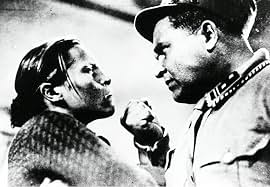
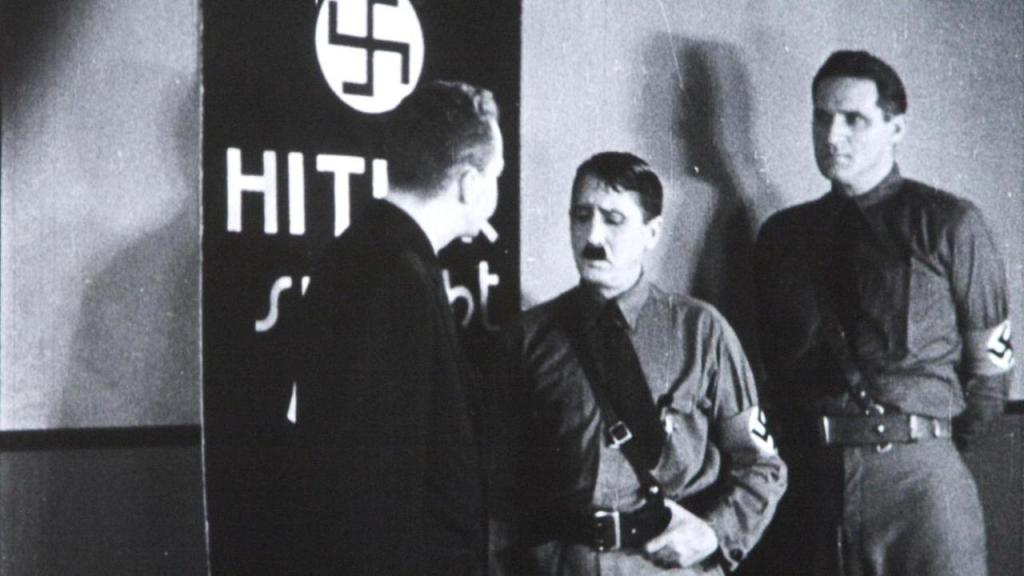
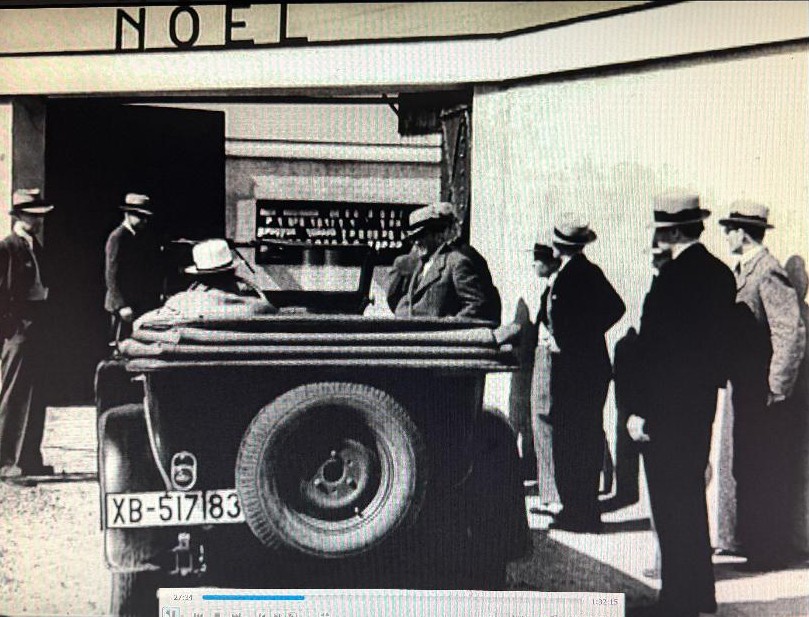
The World is Ours was adapted from a Voskovec and Werich play, “Rub a líc” (The Flip Side), which had premiered at their Prague theatre, Osvobozený divadlo. only six months before the release of the film in August 1937. In 1939, after the invasion of Czechoslovakia in March, the Nazis had all the negatives and copies of the film burned. In 1947, the film was re-released in cinemas, recreated from an incomplete print and other fragments. However, even the 1937 release had been subject to censorship by the Czech Film Advisory Board, requiring the changing of character names, which too closely resembled the names of Nazi leaders, as well as turning the SS uniforms of the Fascist gangs into American gangster outfits.
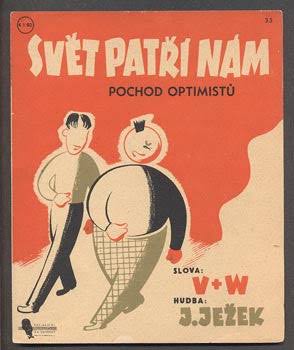

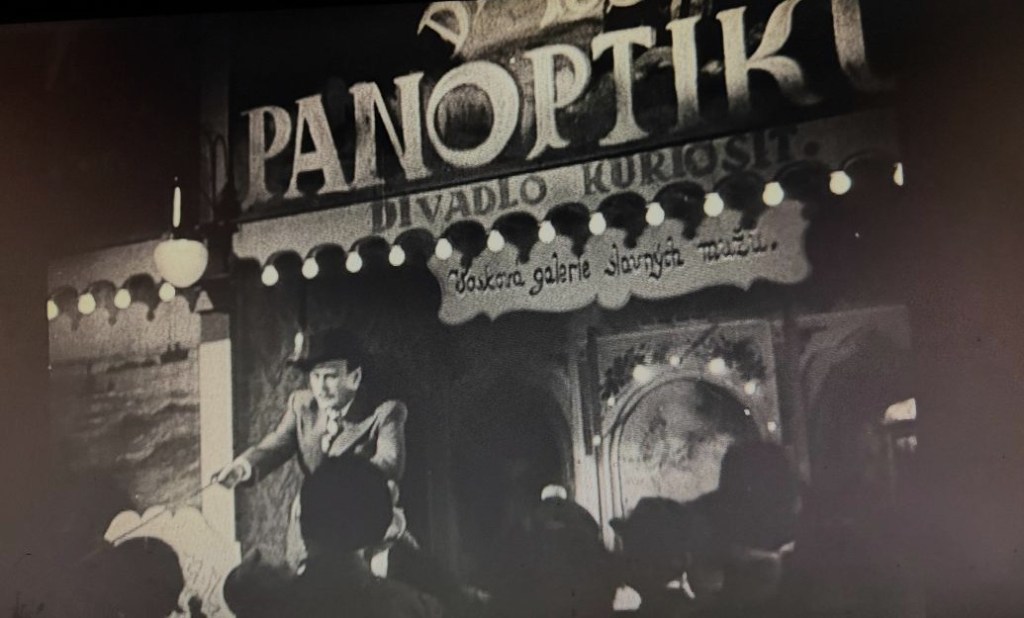
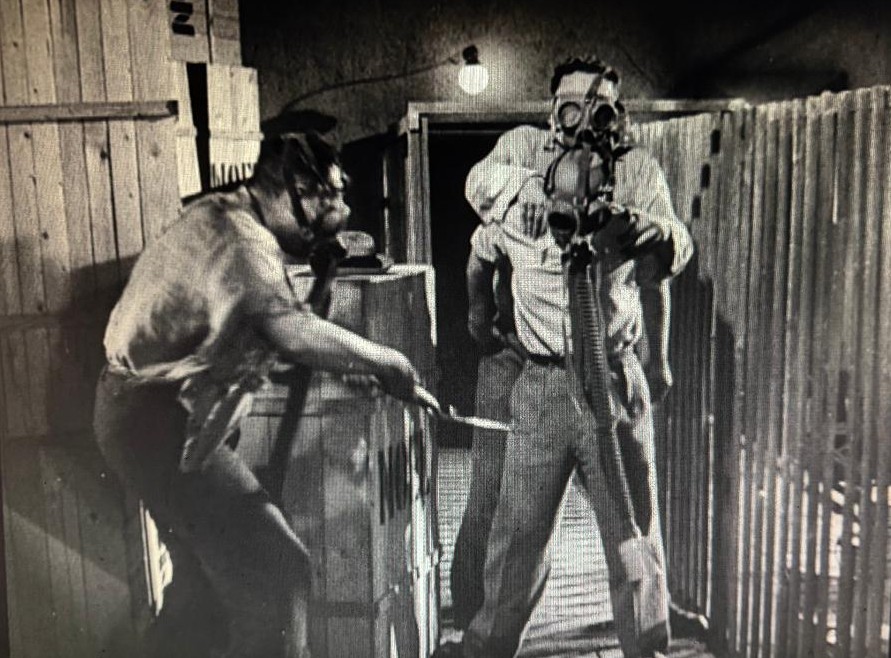
Over the opening credits with Jaroslav Ježek’s march is heard, relating the story of David and Golaith, while Ježek’s other songs pepper the rest of the film. The first scenes are in Drexler’s “Panopticum,” a fairground side show that is destroyed by an irate crowd angry at the fake exhibits, foreshadowing the lies of fascists. The partners in the Panopticum, Drexler and Foreman, later meet and become enemies, Drexler becoming the head of a paramilitary force of the capitalist factory owner, Noel, Foreman leading a strike of the factory workers. A woman is killed by Drexler’s gangsters, the strike is lost, and Foreman and other strike leaders are fired. Meanwhile, the country’s democratic government is threatened, when Drexler prepares a coup for the right wing Bernard Lion with a hidden cache of weapons. Two news boys (Voskovec and Werich), caught up in the strike, find the weapons by accident in the Noel factory basement. Not knowing that they are handling hand grenades (manufactured by Alfred Krupp in the Third Reich), they cause an explosion and a battle with Drexler’s goons ensues. Meanwhile, Forman, alerts the Governor, and the police arrive to arrest the putschists.
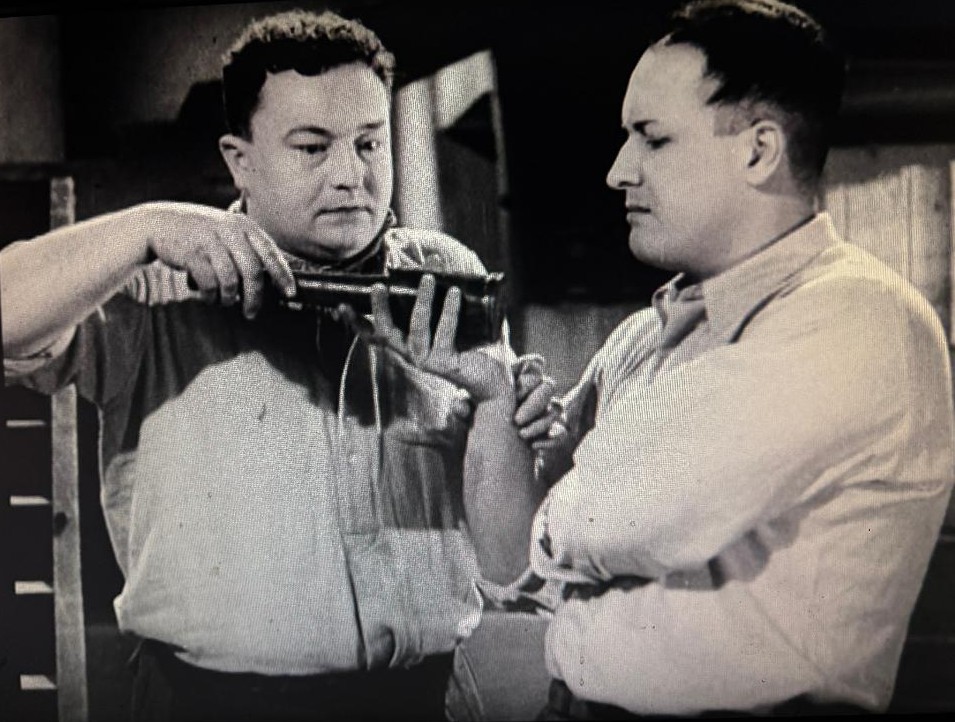
Unlike the previous Voskovec and Werich films, here the pair’s comedy skits are better integrated into an overall narrative. In their first appearance after carrying out news of the strike, they unwittingly paint slogans on a factory fence for Bernard Lion, but then paint “Long Live Forman.” In a long factory scene, Werich gets his head caught in metal bars and Voskovec tries to cut him free, while the factory machines have a mind of their own, a scene strongly reminiscent of Chaplin’s Modern Times (1936). According to Werich later, they shot the scene in two days, then went to see Chaplin’s film, realizing their idea was right there on screen: “Of course, no one ever believed us that we hadn’t stupidly stolen it. We tried to cut the whole scene out of the film — but the machines cost so much money that the producer (Miloš Havel, Vaclav’s father) wouldn’t let us.” Later they get trapped in the apartment of a fascist conspirator and then go looking for food in the basement of a factory, leading to a Keystone Cop like shoot out with the Fascist gangsters (we see no blood or corpses, just hear lots of noise). The gangsters are defeated when V&W cut off their gas mask hoses, a scene filled with Freudian castration imagery.

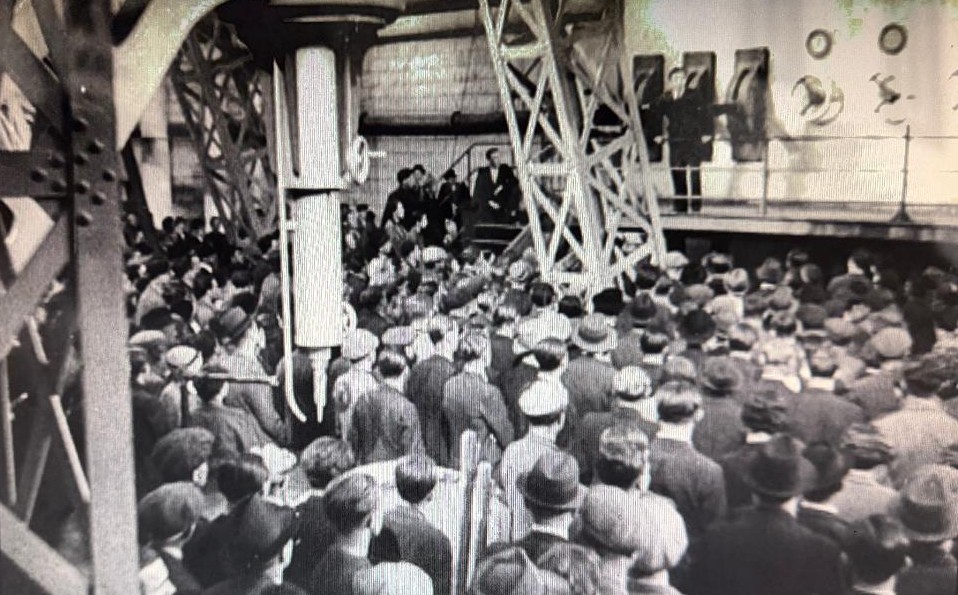
In keeping with the comedy duo’s leftist politics, The World Belongs to Us propagates a leftist theory of Fascism, namely that big capital finances and is aligned with authoritarian elements to upend the power the working classes and destroy democracies. The Fascist candidate Lion is never seen, nor the factory owner Noel, but it is evident that Drexler and his gangsters take their orders and are paid by them. According to one source, the fire in the Panopticum early in he film is a reference to the Reichstags fire. In one overtly political scene, Foreman (Vladimír Šmeral) goes to the Governor who tells him that the democratic rights of free speech must be maintained, even for the Fascists, if democracy is to survive. Thanks to the bumbling activity of V&W, the people are ultimately victorious, and it is they who are highlighted in the film’s climax.


In one of the final shots of the film, we see two newsreel cameramen filming the pro-Democracy demonstration: Martin Frič, the film’s director, and Otto Heller, the cameraman. As a Jew, Heller would soon go into exile in England, as would the assistant director Walter Schorsch, while the Austrian production manager, Josef Stein, who had a very long career in Germany before fleeing the Nazis in 1933, would die in June 1937 in exile in Prague, while The World Belongs to Us was being prepared for release.
 Archival Spaces