Archival Spaces 400:
Frank Borzage’s Little Man, What Now? (1934)
Uploaded 29 May 2026
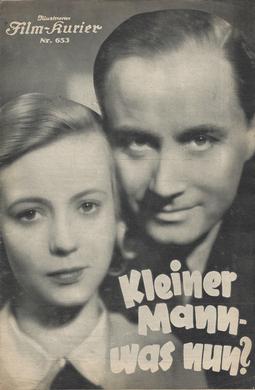
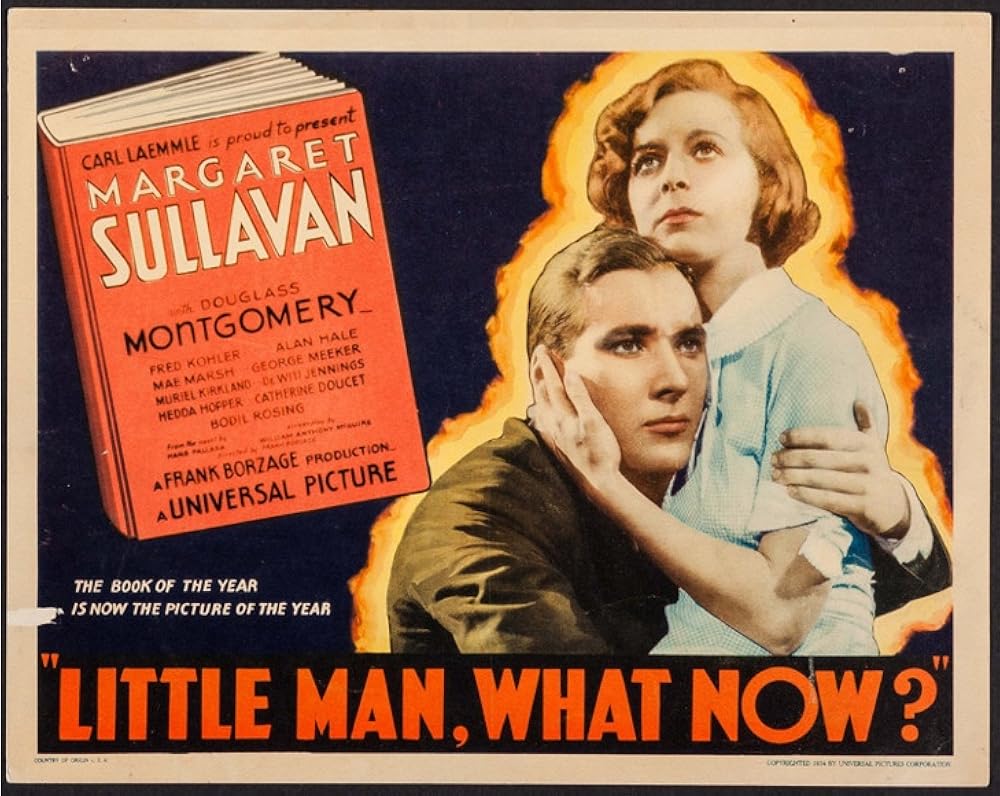
I recently read Hans Fallada’s world bestseller, Kleiner Mann – was Nun? (Little Man, What Now?), published in June 1932, just months before Hitler became Chancellor of Germany. The version now available in paperback in German is 25% longer (100 pages) than the original, which the German press had self-censored, removing with the author’s consent, sections dealing with Nazi anti-Semitism and a frank sexuality. Considered a masterpiece of New Realism, due to its exact description of the lower middle classes, caught in the throes of the Depression, the novel was further censored by Joseph Goebbels, then re-published in 1947, going through 45 printings and translated into twenty languages. It was also adapted to film in Germany in 1933 by Fritz Wendhausen with Hertha Thiele and Hans Thimig, but heavily censored, and in Hollywood in 1934 by Universal’s Carl Laemmle Jr. and Frank Borzage, starring Douglass Montgomery and Margaret Sullavan.
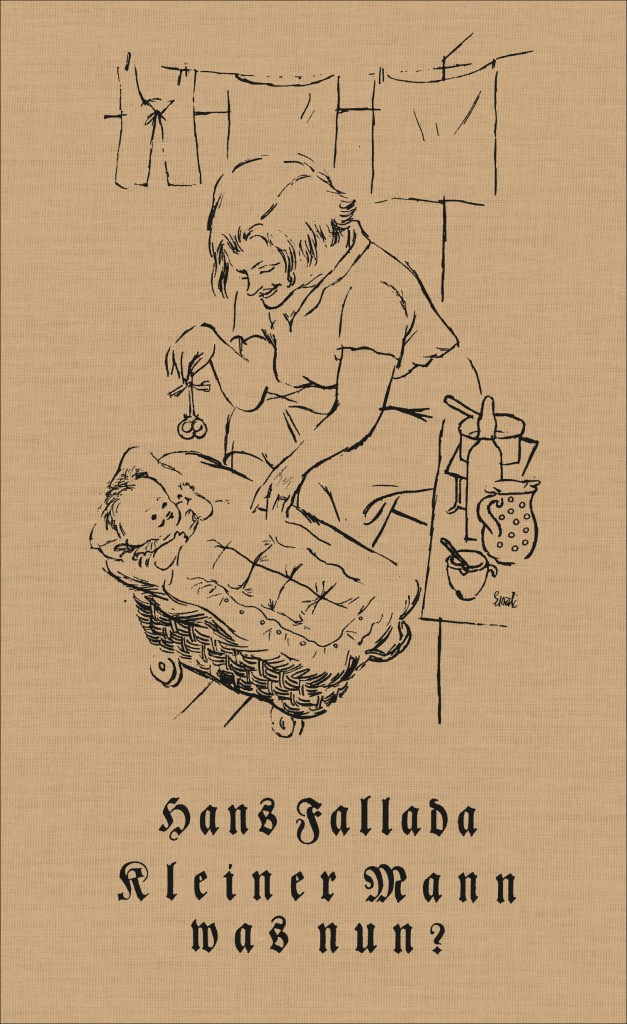
I have seldom read a novel about the late Weimar Republic that portrays with unrelenting precision the country’s Kleinbürger, their racism, their false sense of propriety, their hatred of the working classes, their sense of victimhood, so much like Trump and MAGA. The novel’s “hero,” Hans Pinneberg, is not very bright, constantly doing really stupid things, like spending 80% of his salary after a long period of employment on a completely superfluous dressing table; he worries excessively about what others think about him and is completely passive-aggressive, even towards his wife, Emma. “Lambkin,” as she is called throughout the novel, is a total innocent, even less intelligent than her husband, not very pretty, as her husband keeps telling himself, and easily manipulated, but votes for the Communists, like her father. After Hans loses his job in their small town, the couple moves to Berlin into the flat of his mother, who turns out to be a madam running an informal brothel. The social slide continues when they first move into an illegal flat above a furniture warehouse, and then into a garden colony outside Berlin, reminiscent of the one in Kuhle Wampe (1932), also starring Hertha Thiele. The novel ends, however, on an ever so slight note of hope, when Hans and Lämmchen reaffirm their love for each other.
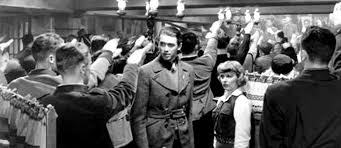
One assumes that it was that love in the face of adversity that drew Frank Borzage to the novel. Andrew Sarris once characterized Borzage as an elusive romanticist with a profound commitment to love over probability. And indeed, while Borzage’s films such as The Seventh Heaven (1927), Lucky Star (1929), A Farewell to Arms (1932), History is Made at Night (1937), and The Mortal Storm (1940) have been praised for exactly those qualities, Little Man, What Now? has been called corny and “just so far over the top”(Nitrateville). Such a reading, however, is superficial and does not do justice to the films’ (albeit contradictory) layers of meaning.
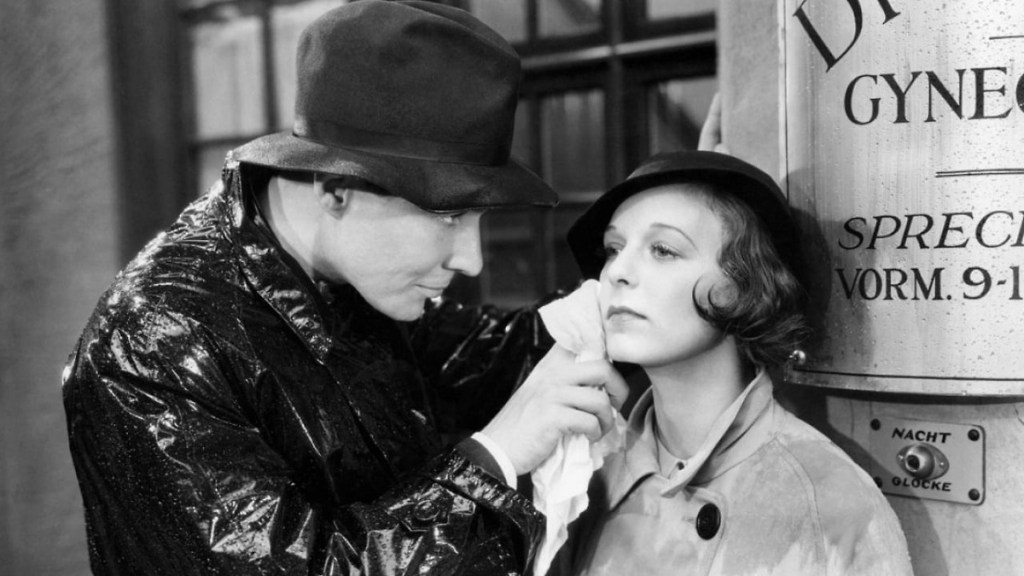
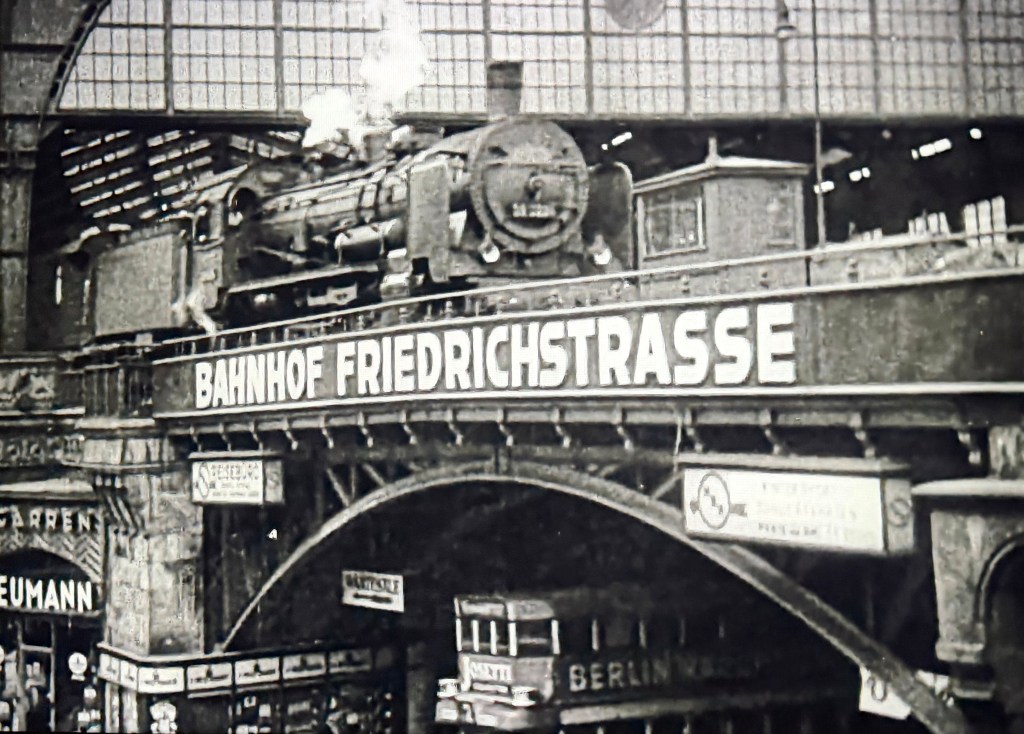
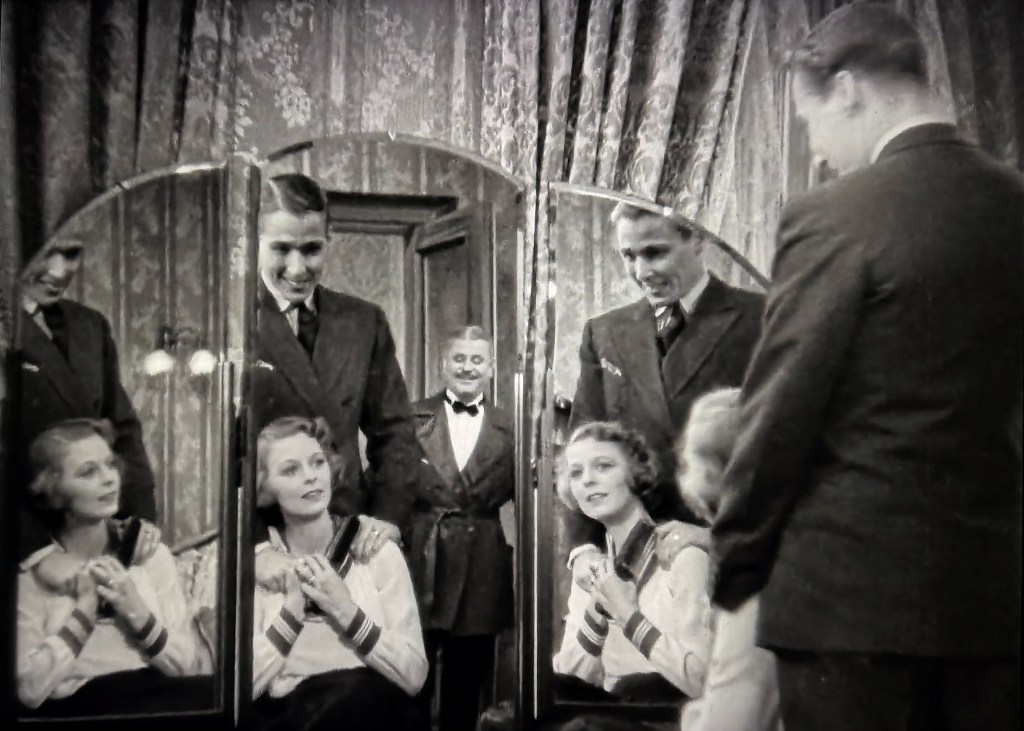
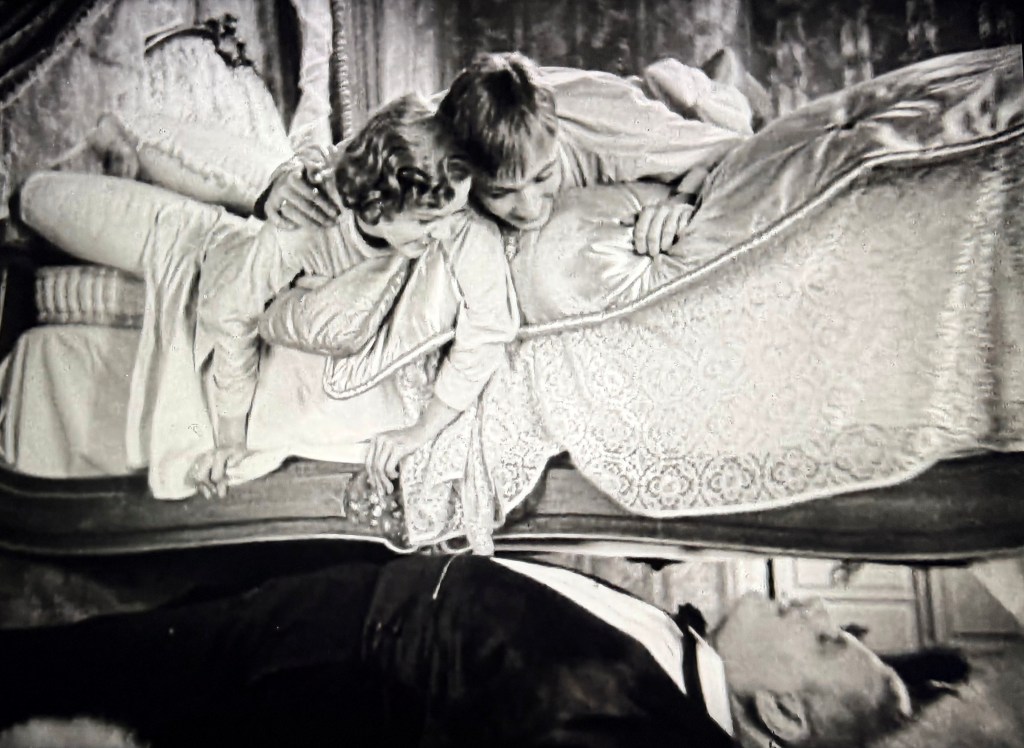
Borzage’s Little Man, What Now is surprisingly faithful to the novel, even if the film makes little effort to portray Weimar Germany realistically. The pre-code film, released a month before Joseph Breen began strict enforcement of the Hays Code, opens when the unmarried Hans and Lämmchen learn from a gynecologist that she is pregnant. They marry, as announced by music in the train station, but must keep the marriage secret because he works for Kleinholz, a grain wholesaler, who only hires single men trying to marry off his daughter. Hans quits in anger when Marie badmouths his wife, believing her to be only a sexual fling. The film’s second third takes place in Berlin, after the couple relocates to mother Mia Pinneberg’s large flat, where she runs a gentleman’s service although neither realizes it, until his colleague at Mandel’s men’s store reads an advertisement to the group. In the film’s final third, Lämmchen finds them a new flat above Herr Puttbreese’s furniture warehouse. The con man Holger Jachmann, Mia’s pimp and lover, who had helped the couple financially, visits them after Hans has been fired and affords them a night on the town, before he is arrested in a nightclub. Inexplicably, those scenes had been excised from the novel’s shortened version, so how did they end up in the film?
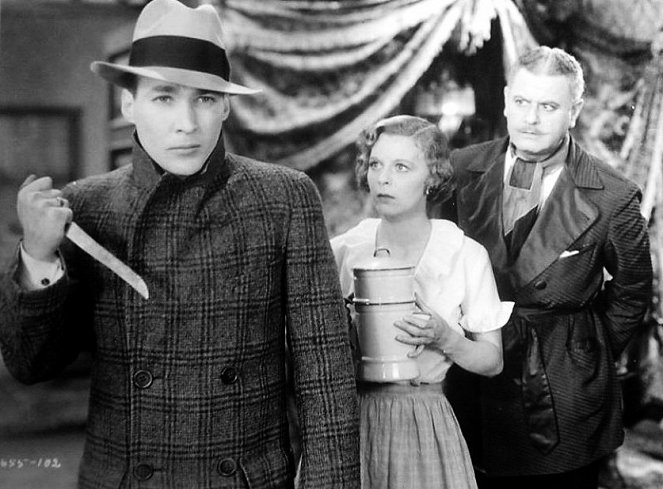
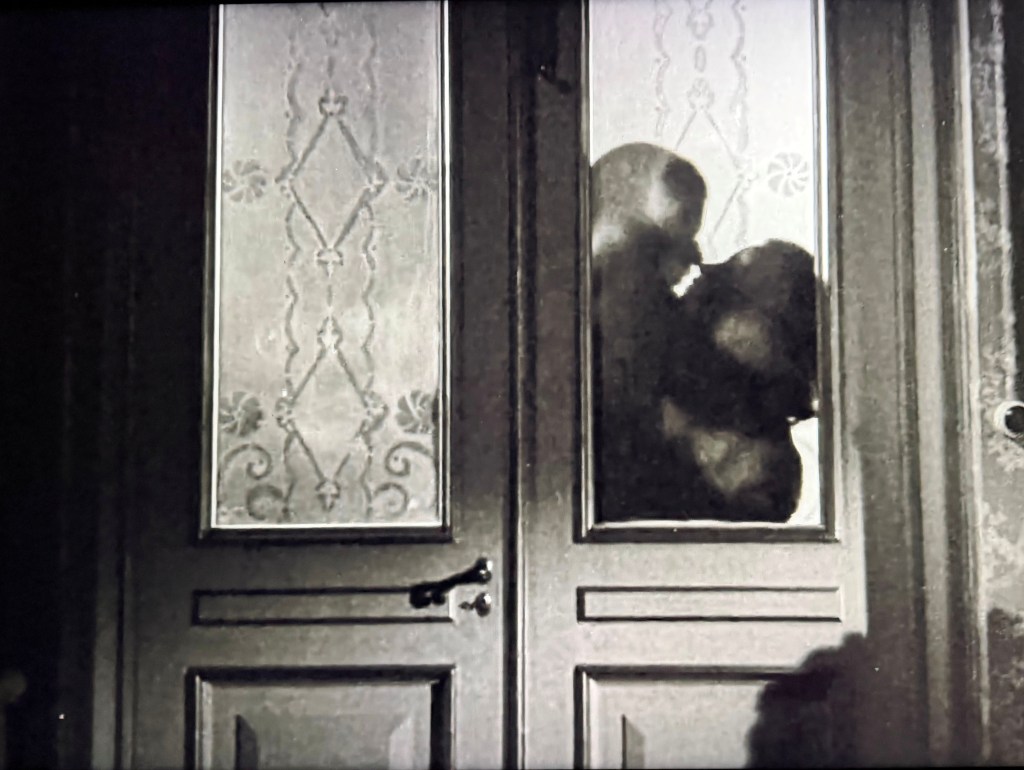
As in the novel, Pinneberg has anger management issues, breaking dishes at least twice in frustration and attacking a colleague; he is characteristic of his social class, which identifies and dresses as bourgeois, but is actually exploited, a member of the white-collar working class. Interestingly, both Douglass Montgomery and Hans Thimig in the German film read as slightly effeminate, weak males who are beaten down by the system and are unable to fight back. Margaret Sullavan, on the other hand, who would star in no less than four films for Borzage, is, despite her naïve character, both luminous and a strong woman who even manages to outsmart her landlord. She fights for their love when he despairs. They are surrounded by mostly despicable characters, although the charming Jachmann and Heilbutt, Hans’ colleague at Mandel’s, prove the exception. Alan Hale, in particular, is a delightful rascal as Jachmann.
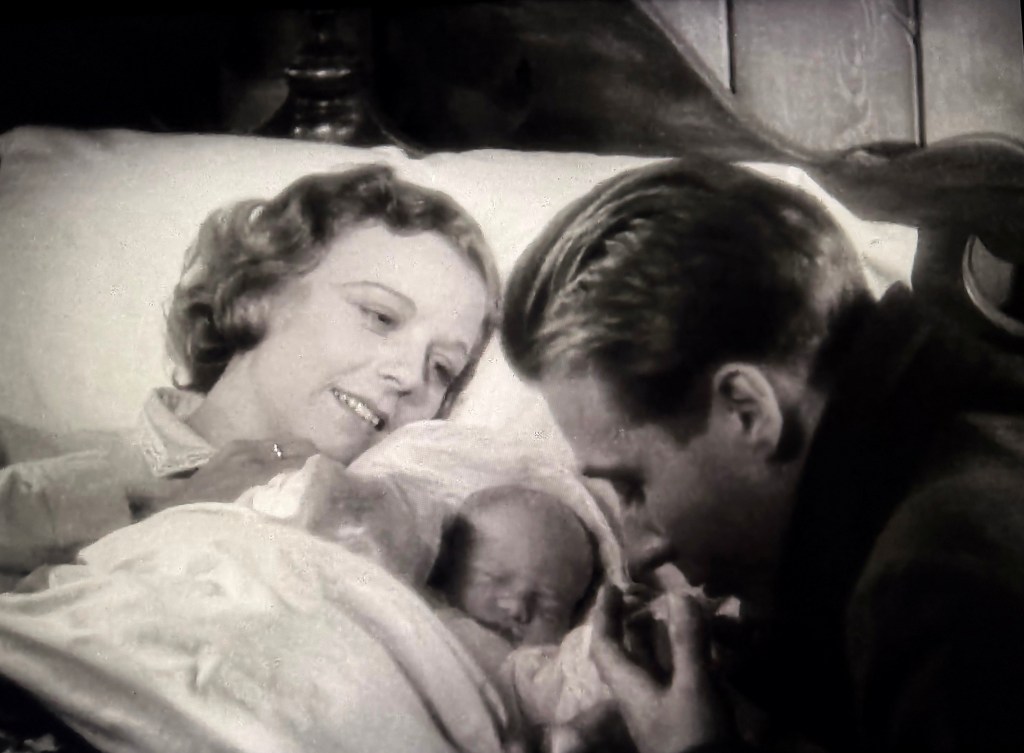
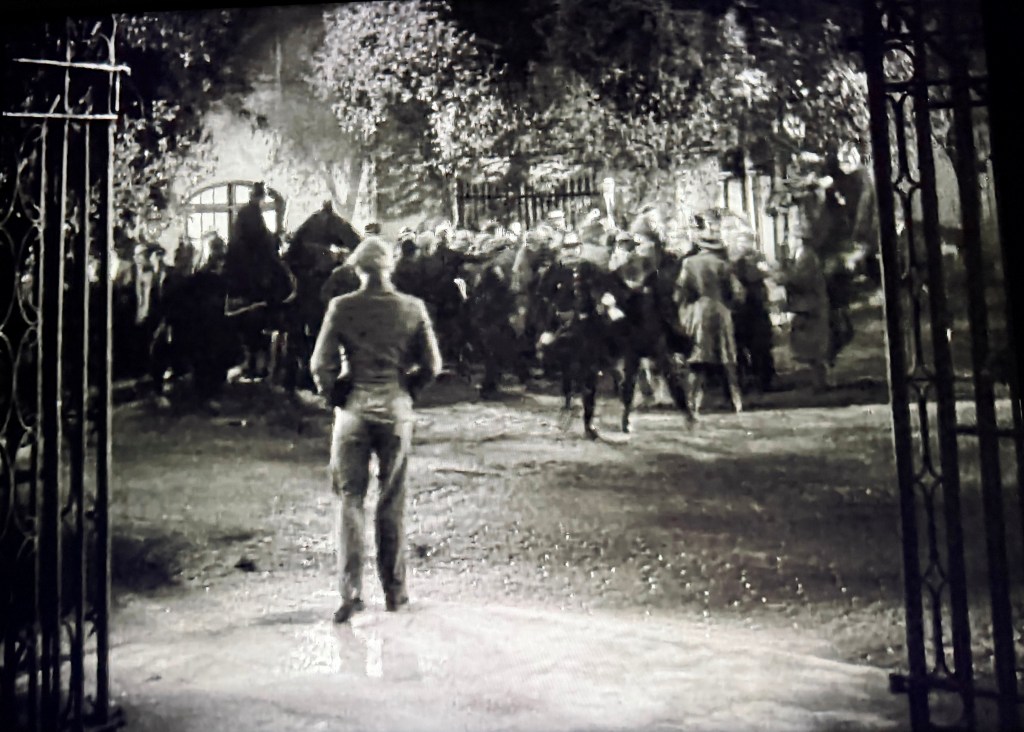
Known to be a conservative Catholic, Borzage’s politics bleed into the film, in contrast to Fallada’s more leftist and pacifist worldview. Fallada was a Social Democrat, although he later made his peace with the Third Reich, publishing throughout the period. The film telegraphs Borzage’s politics: A vaguely left-wing orator preaching equality and taking down the rich actually opens the film, establishing the anti-left messages to follow. Several characters advocate for knowing one’s place and accepting it. Borzage ends his film with Hans being knocked down by police during a Communist demonstration, and is afraid to go home, where his child has just been born. The novel ends similarly, but there a cop knocks him down for simply failing to move on in his shabby clothes. Nazis are almost invisible in both novel and film, except that in the novel, we learn that Pinneberg actually loses his job because he has been unjustly denounced at Mandels as a Nazi. At the same time, institutions of power are shown to be insensitive, even hostile to little men, including Mandel and Lehman, who are subject to antisemitic slurs in the novel. Surprisingly, the Jewish Heilbutt emigrates to Amsterdam, a covert nod in the film to the many Jewish refugees fleeing Nazi Germany to Holland after 1933, although no reason is given for his emigration.
Thanks to archival research, Fallada’s handwritten manuscript of Kleiner Mann – was nun? was recovered and deciphered – parts were written in almost illegible Suetterlin script -, making the new expanded edition possible. Unfortunately, the German film version seems irretrievably lost, denying us the possibility of a comparative analysis of two very different cultures adapting the same novel to the screen.