Archival Spaces 413:
Master and Masterpieces of the Screen
Uploaded 27 November 2026
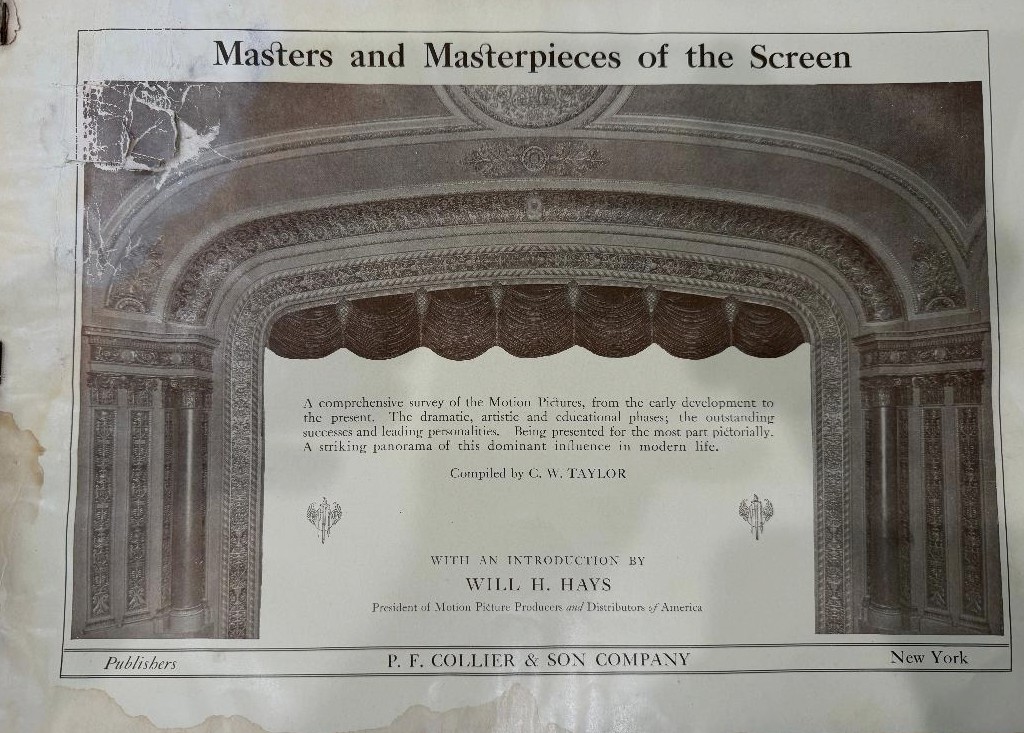
Recently, while moving around some book boxes in my garage, I found a rare publication I had no memory of owning or ever reading: Masters and Masterpieces of the Screen (1927), compiled by C.W. Taylor (Cora W.) with an introduction by Will H. Hays, and published by P.F. Collier & Son Co. in New York. Given the participation of the “President of Motion Picture Producers and Distributors of America,” one can safely assume that the large format book (11 ¾“ x 16 ¼”) constitutes a quasi-official history of the film industry, near the end of the silent era. The book’s title page already announces its intentions: “A comprehensive survey of the Motion Pictures, from the early development to the present. The dramatic, artistic and educational phases; the outstanding successes and leading personalities. Being presented for the most part pictorially. A striking panorama of this dominant influence on modern life.”
In his introduction, Will Hays emphasizes this influence, noting that only the home and the church wield more power over people’s minds, even though films are a commercial product made by an industry for profit. Evolving from a “crude” medium “ten years ago” projected in “nickelodeons built in old store buildings,” Hays boasts that 90 million patrons are now “amused” every week in 20,233 cinemas. Interestingly, Hays also states the movies are not only made for the people, but actually owned by “59,157 different persons who own the 11,331,394 shares of stock listed on the New York Stock Exchange.” (p. 5) Hays then claims that motion pictures are “bettering living conditions” because boys and girls in small towns have learned how to dress from the movies. Yes, but… The text is followed by large portraits of Thomas A. Edison and Will Hays.
Interestingly, while the book’s images were compiled by C.W. Taylor, its introductory history text was authored by F.J. Reynolds (Francis Joseph), a former reference librarian at the Library of Congress and then book editor at Collier’s. Reynolds spends 44% of his three-page summary of film history on pre-cinema from Daguerre to Thomas Armat (Edison), then focuses on his final page on various patent disputes before naming the founding of various film companies from the transition era: Essanay, Keystone, Universal, Famous Players, Fox, and United Artists. Hays’ appointment in 1922 at a salary of $100,000 merits a paragraph, before enumerating the debut of film stars, Mary Pickford, Charlie Chaplin (and their salaries). More surprisingly, Reynolds closes with the mention of film libraries “accumulating stores… not only for purposes of distribution, but also for the sake of preserving them for later generations.” At that time wishful thinking rather than fact.
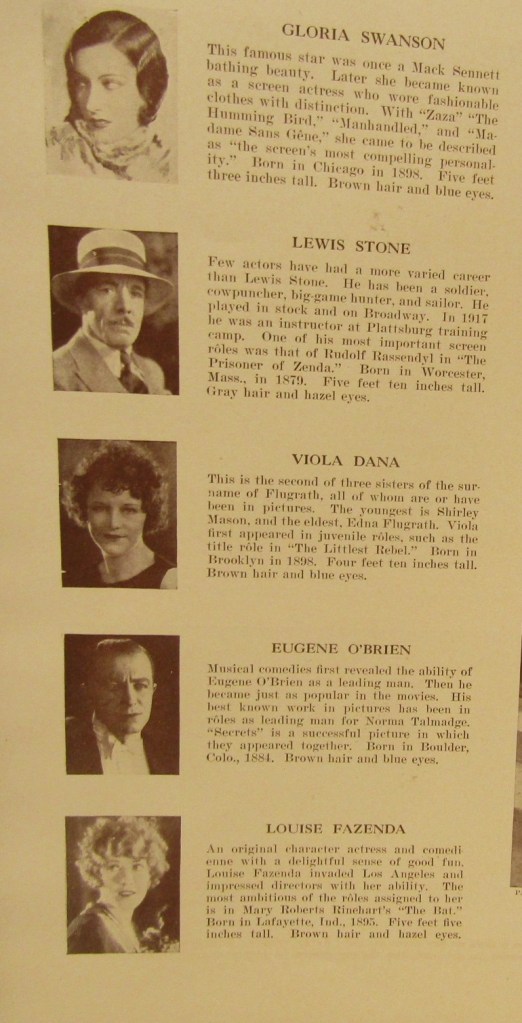
On the left third of even-numbered pages 14-94, 195 short bios and mini portraits of film actors and actresses are featured. These include the well-known Lionel Barrymore, Lilian Gish, Mable Normand, Tom Mix, Greta Garbo, but also the now forgotten, like Ethel Clayton, who after starring roles in the 1910s and early 20s, spent the rest of her long career as an uncredited bit player. Surprisingly, the players are randomly ordered, not alphabetically, necessitating an index. The bios sometimes mention film titles and stage careers, usually list places of birth, but not always birth year, and always cite height and eye color. The only director visualized is D.W. Griffith, with a large photo from 1908, posing as a Southern gentleman, while Erich von Stroheim is only named.
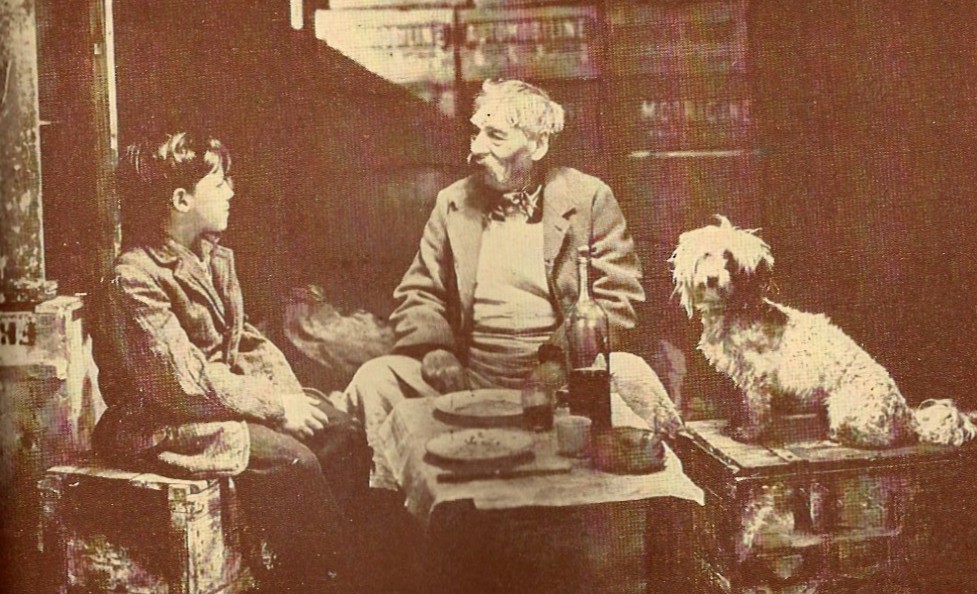
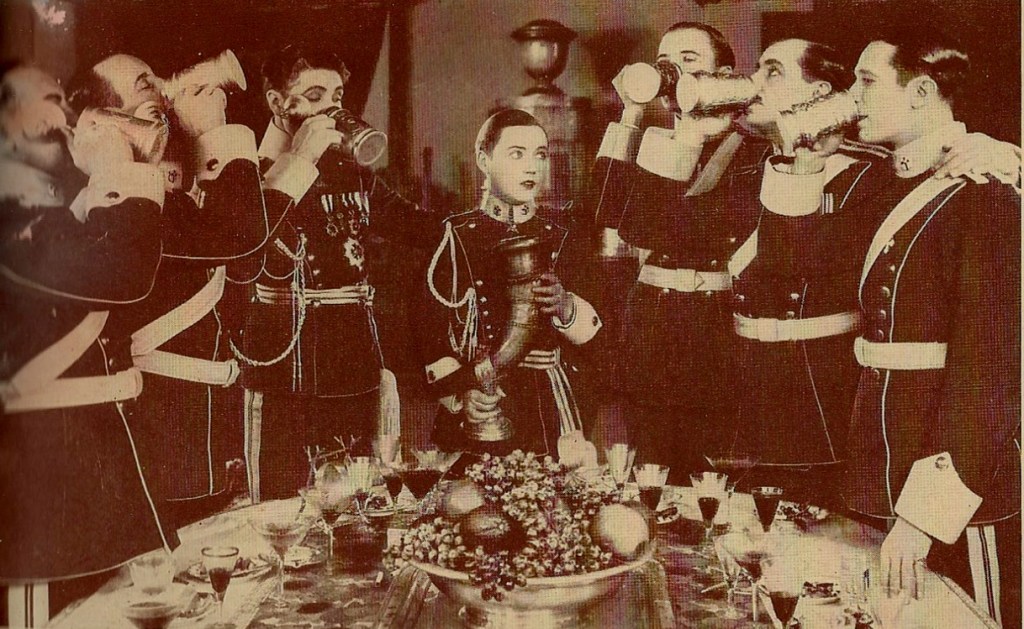
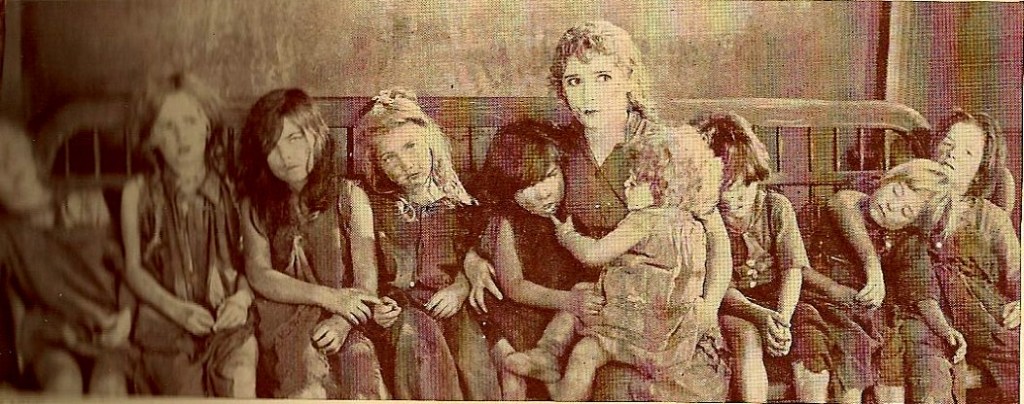
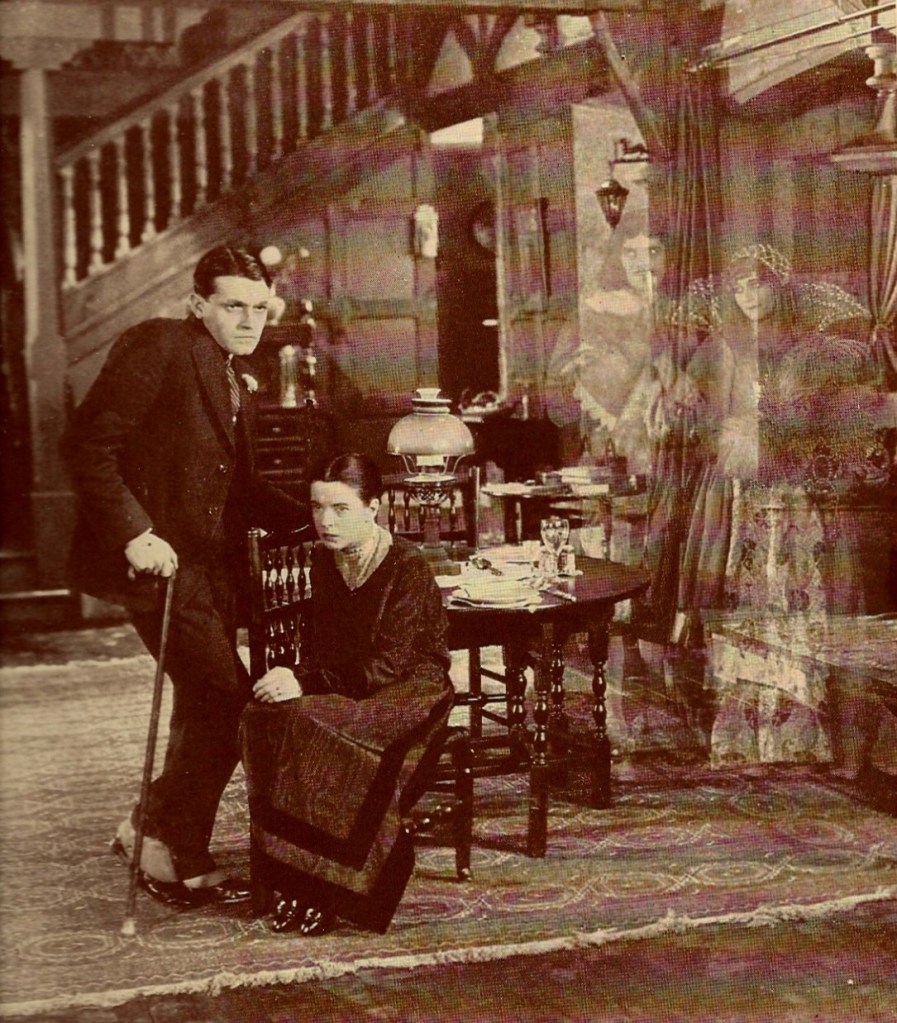
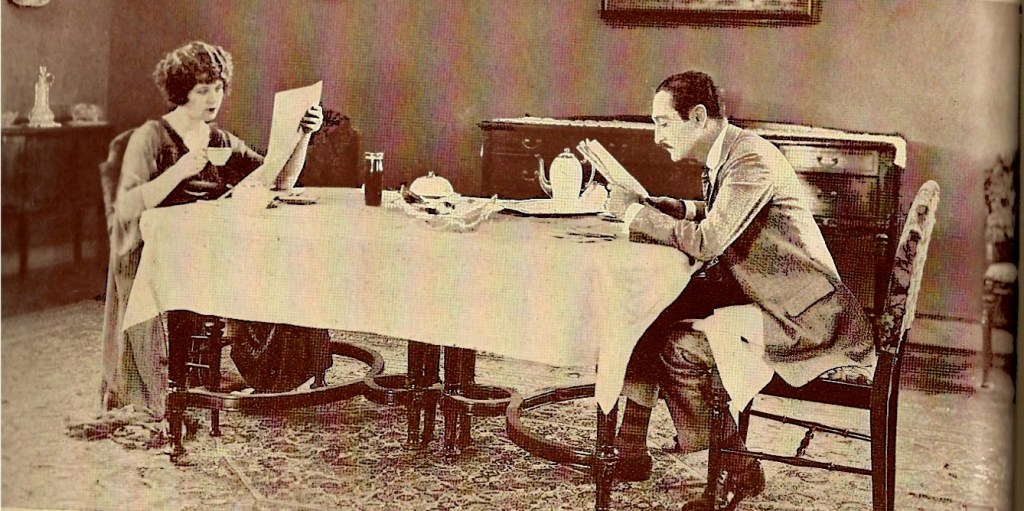
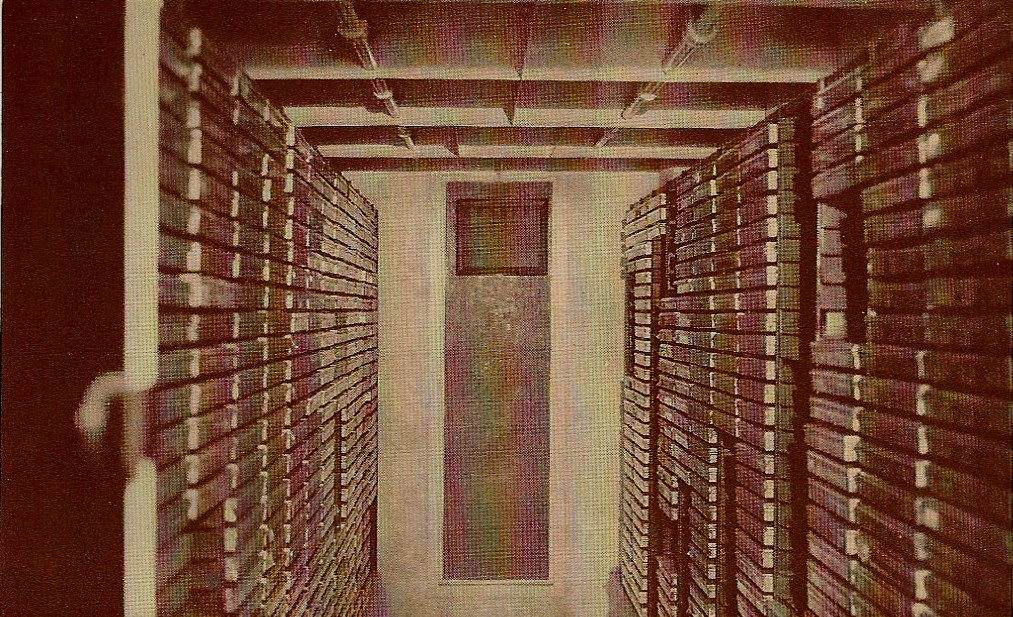
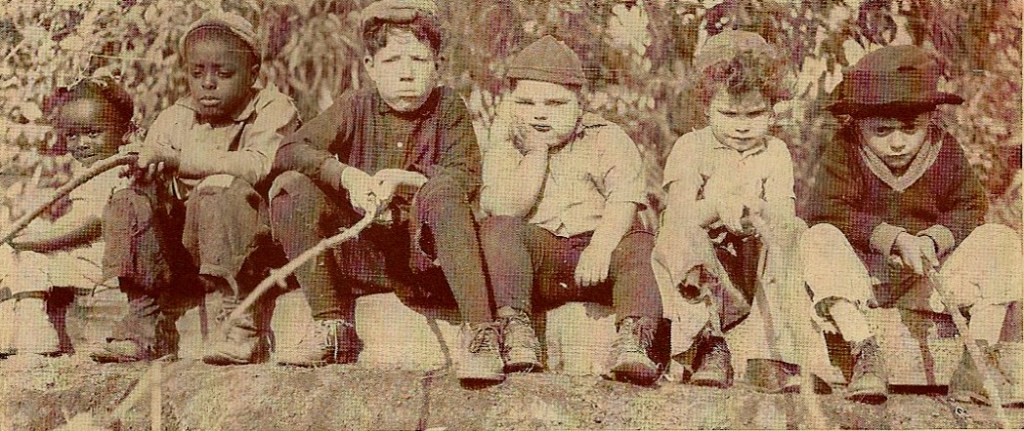
The remaining area is covered with various-sized photographs from “photoplays” and topic- oriented illustrations. Included are hugely successful films, like The Birth of a Nation (1915), The Four Horsemen of the Apocalypse (1921) and Ben-Hur (1925), weirdly listed without dates, some foreign titles, like Carmen (1918) and The Last Laugh (1925), and lost films, like Clothes Make the Pirate (1925). Somewhat confusingly, the illustrations by topic are mostly from film titles, some listed in the index, some not. For example, “Rescued by a Newsboy,” “Jail Not so Bad,” and “The Pushcart Man” present stills from Bill, the American release title for Jacque Feyder’s Crainquebillle (1921), but misidentify its elderly hero as the actor Maurice de Fernande, instead of Maurice de Féraudy. Each illustration includes a pithy little 2-3-line text, describing the film or scene or a bit of analysis, like “The Spectator appreciates the use of the free camera,” for Variety (1925). The sepia images themselves are of middling quality.
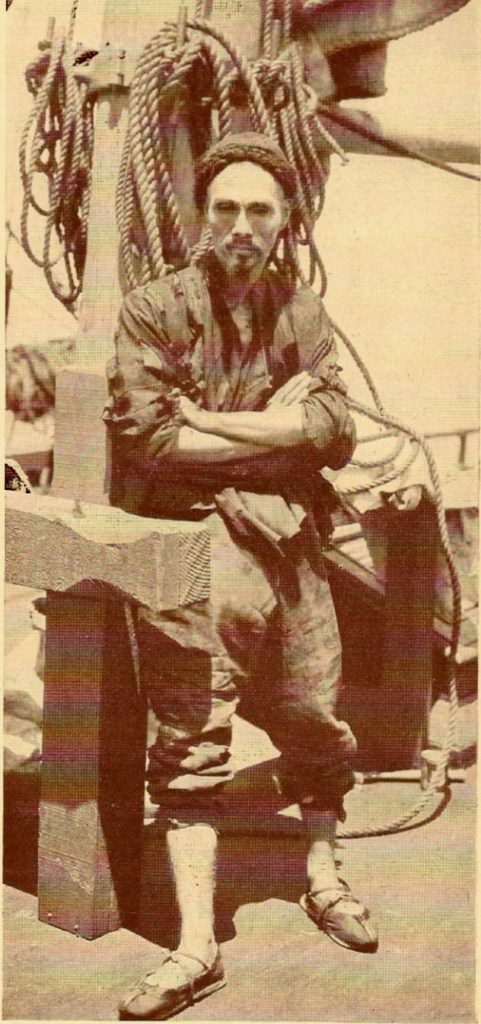
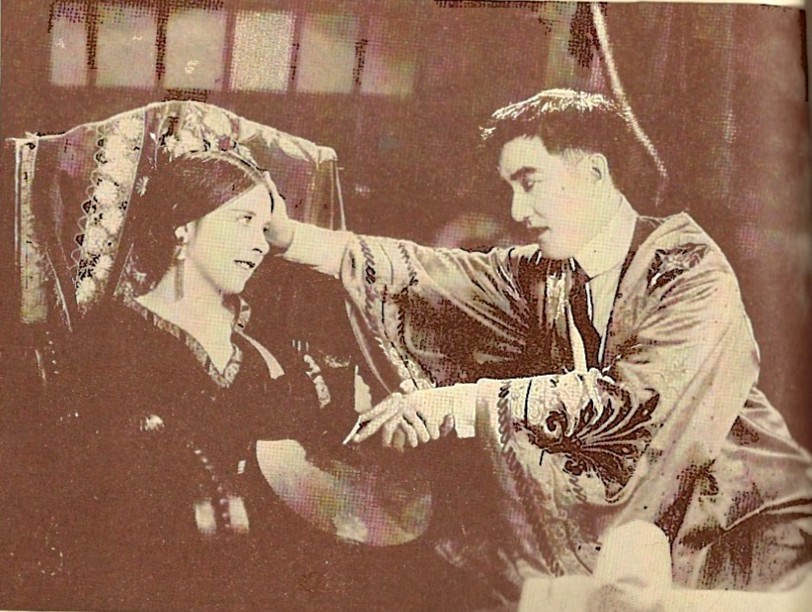
Not surprisingly, given Hollywood’s deeply ingrained racism, African-American actors and characters are completely invisible; only three Asian actors are visualized: in The Sea Beast (1926) it is Sôjin Kamiyama, who remains unnamed, while a bio of Tsuru Aoki, notes she was the wife of Sessue Hayakawa, who is seen in one image, playing a stereotyped villain. Anna May Wong is also absent, despite starring roles.
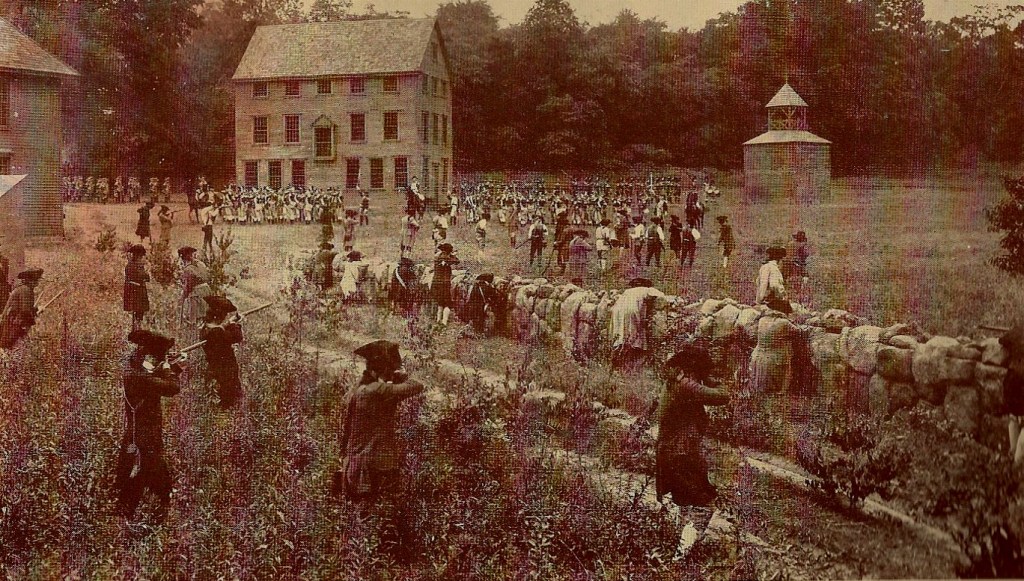
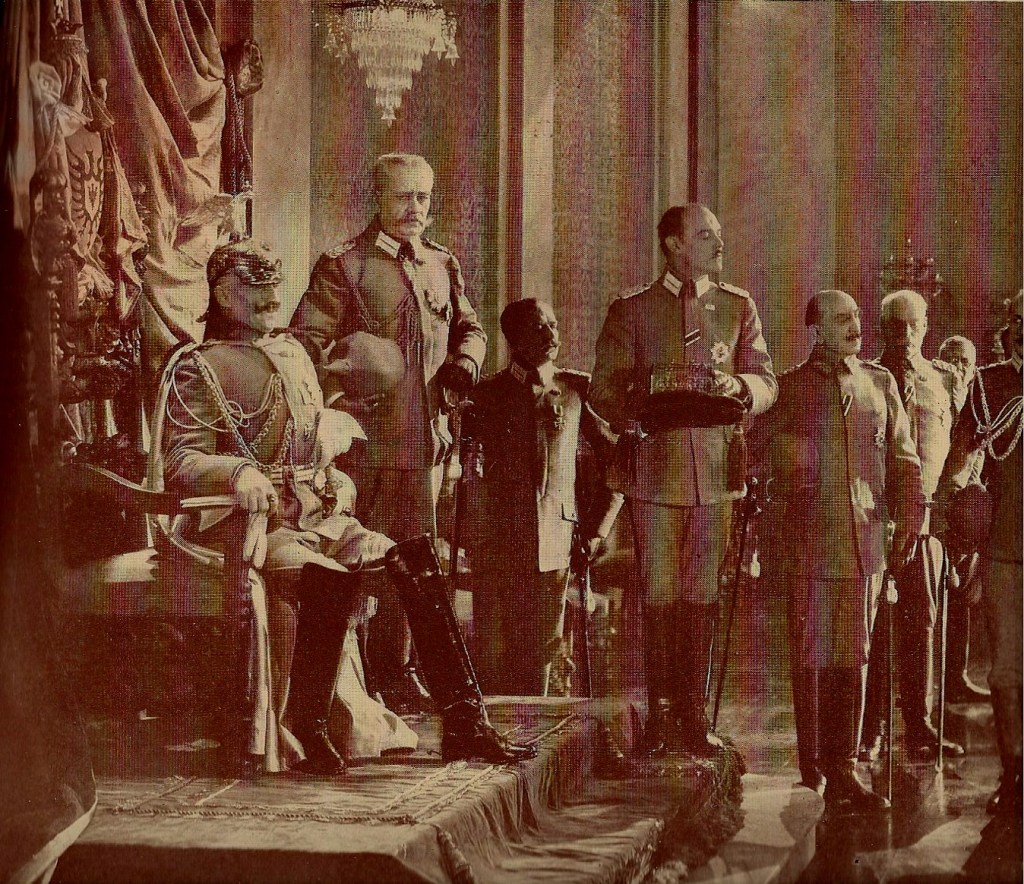
A number of short texts on color film, foreign films, sound, animation and educational films, written by Taylor, as well as a glossary of motion picture terms close out the volume. Color and Sound are described technically, without making any predictions as to their commercial or aesthetic viability, although it is noted that Hollywood “feared resulting business disturbance from any too great an interest in color films.” (p. 79) The educational film essay includes images from Robert Flaherty’s Nanook of the North (1922), The Pottery Maker (1925), both uncredited, as well as Ben-Hur and the Chronicles of America (1924) series on American history, again emphasizing the benefits of Hollywood films.
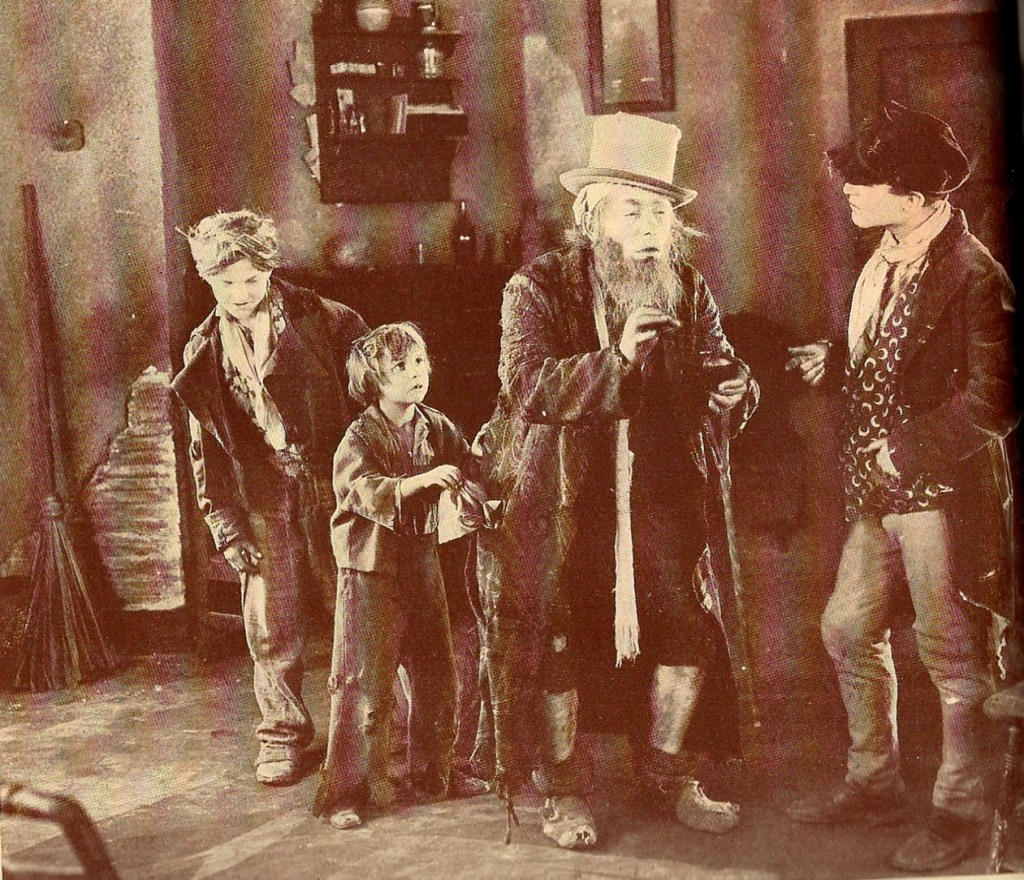
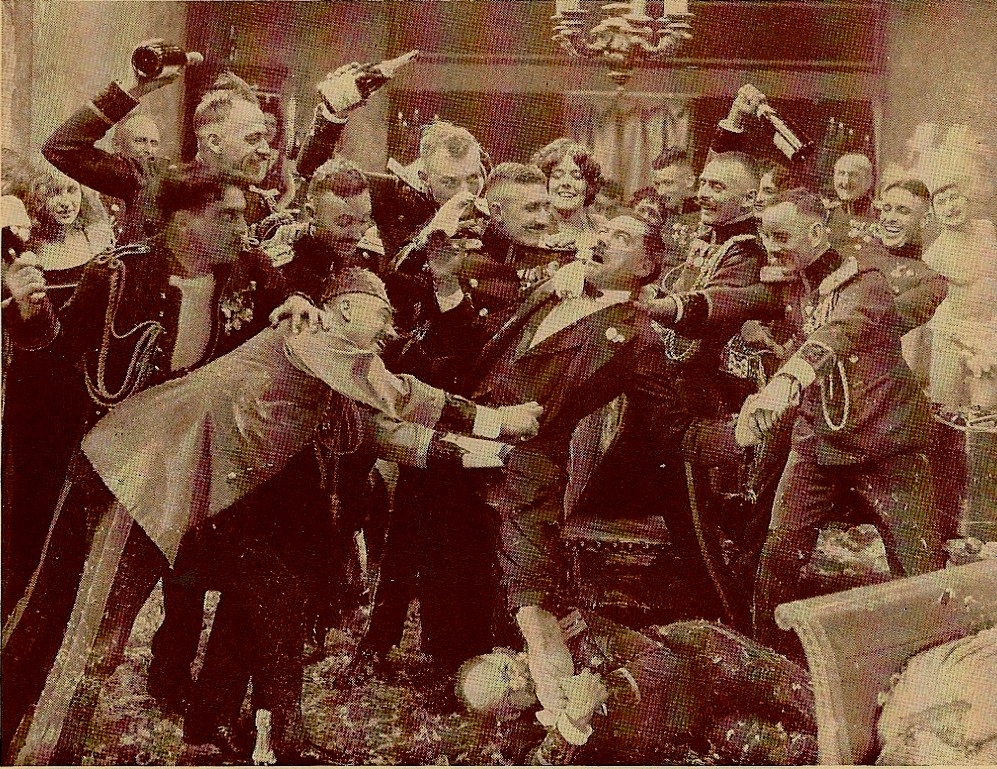
Probably the first illustrated film history, Masters and Masterpieces would much later spawn a genre that would become a cottage industry in the 1970s with Citadel Press. Written for the growing legion of film fans, but presenting the film industry’s perspective that entertainment is what America wants. The book was republished in paperback in 2021 by Hassel Street Press (U.K.).


“but also the now forgotten, like Ethel Clayton, who after starring roles in the 1910s and early 20s, spent the rest of her long career as an uncredited bit player.” For a one-time star, playing those uncredited roles must have been a bitter pill to swallow.
LikeLike