276: Cuban Star Xonia Benguria

Archival Spaces 276

Remembering Cuban Film Star Xonia Benguría

Uploaded  20 August 2021

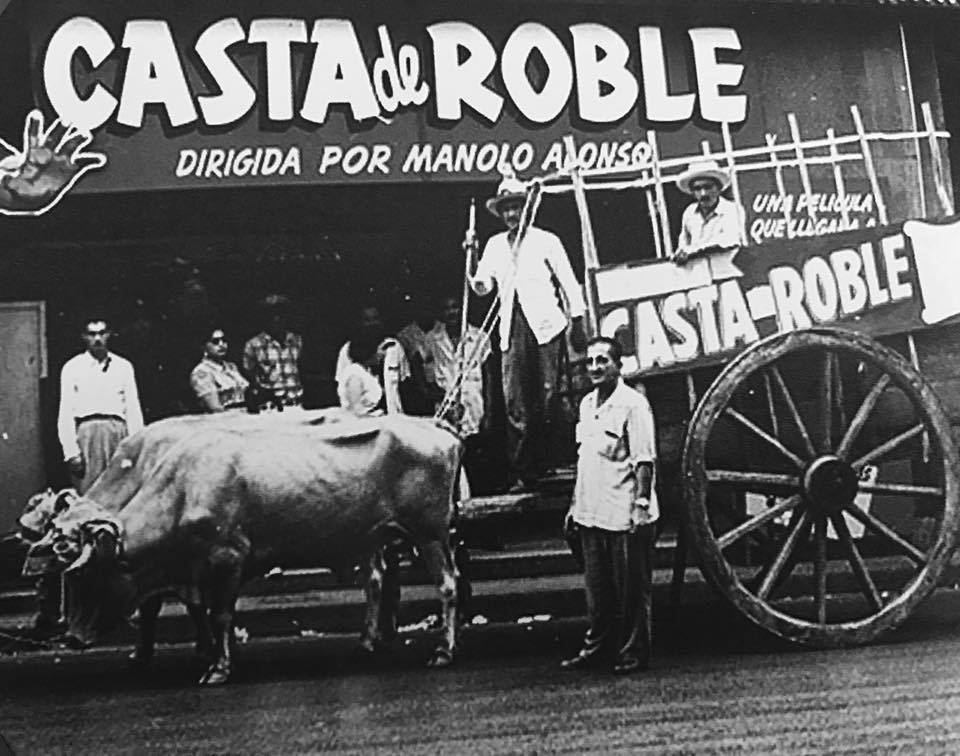
In October 2017, UCLA Film & Television Archive screened a new 35mm restored print of Casta de Roble (1954) in the massive retrospective, Recuerdos de un cine en español: Classic Latin American Cinema in Los Angeles, 1930-1960. Its star, Xonia Benguría, died in Astoria, N.Y. on 31 July 2021 after sixty years in exile. Earlier, in July 2016, Luciano Castillo, Director of the Cinemateca de Cuba, had hand-carried a dupe negative of the film, along with several other pre-revolutionary Cuban films to Los Angeles from Havana for preservation. In Casta de Roble, a young peasant girl, played by Xonia Benguría, who also wrote the script, has a baby by the master of the plantationwhich is taken away from her. She marries and has another son, but the loss of the child has scarred her for life. Shot mostly on location in Pinar del Rio, Cuba, the film visualizes the harsh life of peasants and workers in a sugar economy, where only a privileged few at the top benefit, while the workers are enslaved as tenant farmers. Directed by Xonia’s then-husband, Manolo Alonso, the film had a keen sense of style, its social realist narrative enlivened by many compositions quoting Sergei Eisenstein and Alexander Dovchenko. Given that for five decades the Communist government suppressed the knowledge of any filmmaking activity in Cuba before 1959, the film was a revelation.

Chris Horak and Luciano Castillo at LAX with Cuban films
Xonia Benguria

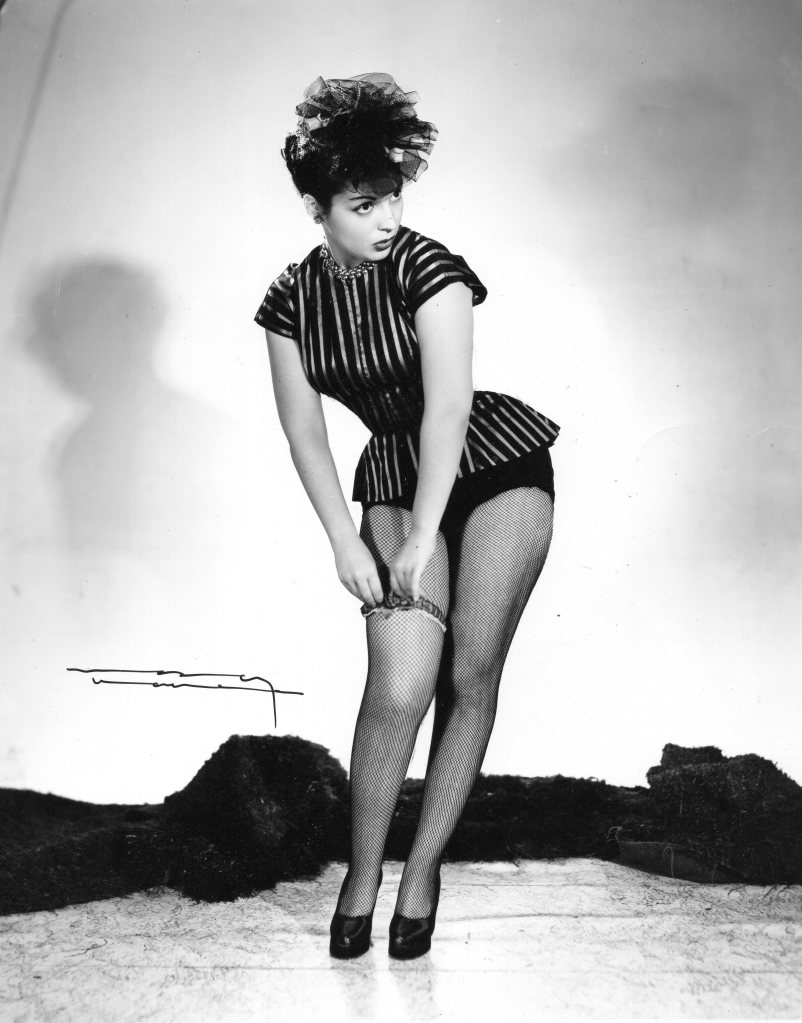
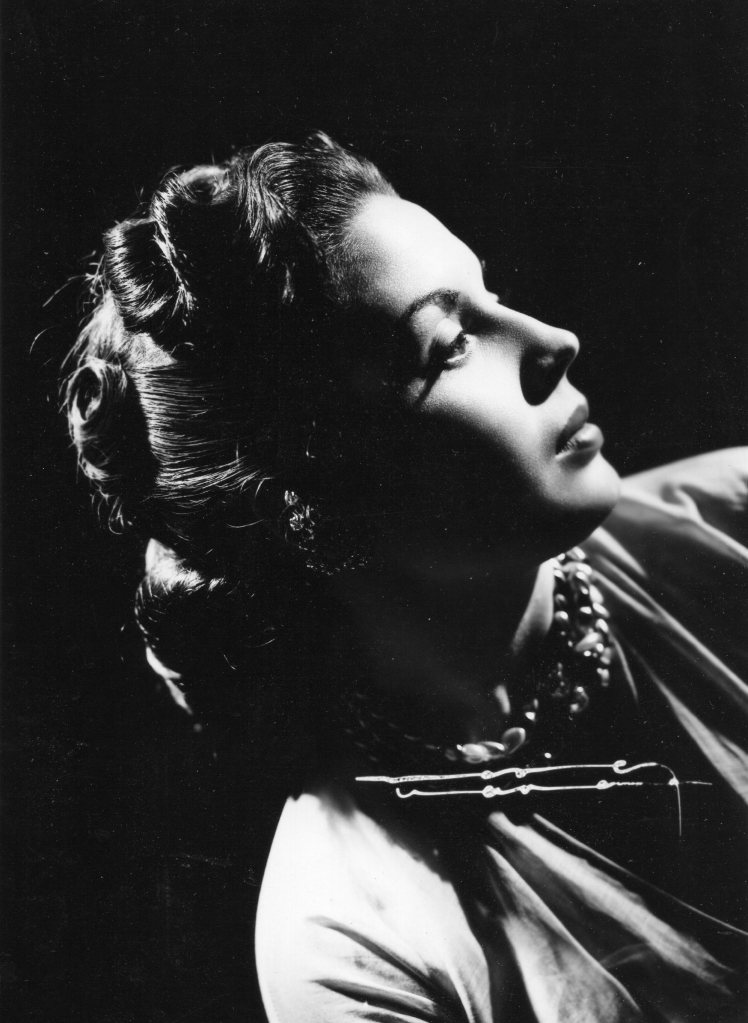
Born in Cuba on 4 October 1924, Xonia Benguría grew up in privilege. Her family’s extensive sugar plantations allowed her father to become a well-respected calligrapher, her mother a dedicated housewife who encouraged the artistic ambitions of her three children; Carmina, an older sister, became internationally known for reciting poetry. At twelve, young Xonia was sent to Averett College’s prep school in Danville, Virginia, to learn English. Returning to Cuba a year later, she had ambitions to act and sing and made her debut in May 1944, singing her own songs at Havana’s Teatro Auditorium. She followed that up by acting in the play “Petit Farándula” at the Teatro America, and a radio play, “Rendezvous at Five.” Shortly after the end of World War II, Benguría went to New York to study with Frances Robinson Duff, the “foremost dramatic coach” in America who had trained the likes of Helen Hayes, Katherine Hepburn, and Miriam Hopkins.
Chicharito (Alberto Garrido) and Sopeira (Federico Piñero)
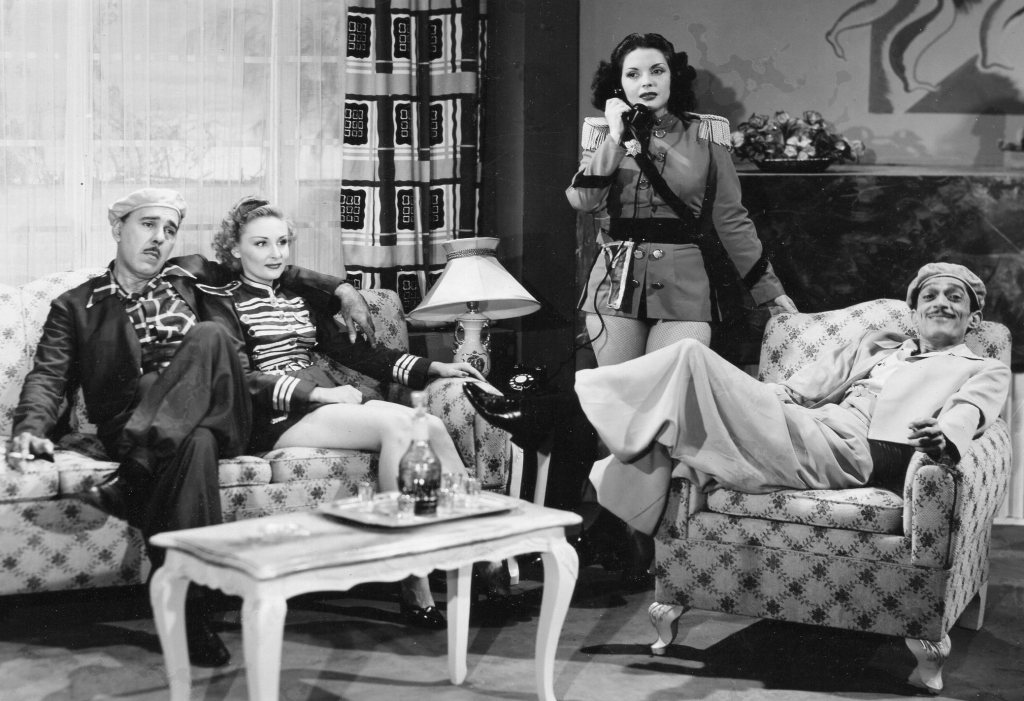
School for Models (1949)

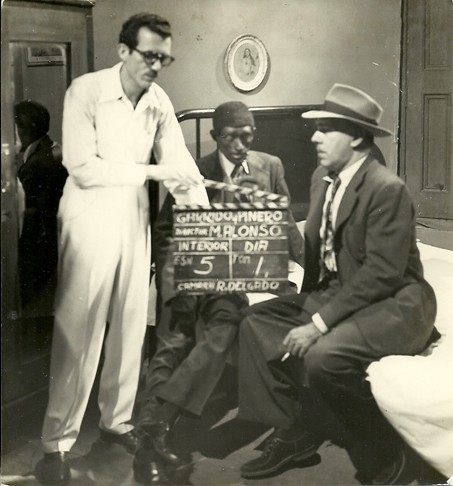
Returning to Cuba in the late 1940s, she married the actor Alberto Garrido from the Afro-Cuban comedy team of Chicharito (Garrido) and Sopeira (Federico Piñero), and gave birth to a son. She co-starred with the duo in two Cuban musical comedies: Escuela de modelos/School for Models (1949) and Cuando las mujeres Mandan/When Women Rule (1951), both directed by José Fernández. In the first film, she played a scantily clad nightclub dancer-singer. The latter featured the comic duo as Cuban nationals who desert from the Korean War and land in a country run by Amazonian women. Treated as sex toys by their two female captors (Benguría & Olga Uz), they lead a successful revolt for machismo. The films seem typical for Cuban film productions of the period.

Cuando las mujeres Mandan (1949)

After Xonia divorced Garrido, she married Manolo Alonso with whom she had a daughter. A prominent film director and close confidant of Cuban President, Ramón Grau San Martin, Alonso was born in Havana in 1912. In 1938, he started the 1st Cuban newsreel, Noticiero Nacional, and was involved in founding Cuban television in 1950. Alonso directed his first feature, I am Hitler (1944), a series of satirical sketches, and, Siete muertes a plazo fijo/Seven Timely Deaths, a thriller-comedy in 1950. Alonso probably met Benguría while he directed Garrido and Piñero short films, and hoped to star her in Leonela, which remained unproduced; based on the 1893 novel by Nicolás Heredia about the colonial sugar industry on the verge of bankruptcy, exploited by ruthless big-city merchants. But nothing in the couple’s biography could predict the ideological turn away from Hollywood-style comedy to Casta de Roble, which in exploring the plight of the poor in a rural society followed the lead of Emilio “El  Indio” Fernandez’s Mexican films, like Río Escondido (1948).
Xonia Benguria

The project came to fruition when Xonia showed her script for Casta de Roble to David Silva, a well-known Mexican actor who agreed to star. Alonso hoped to hire Gabriel Figueroa as cameraman, who was unavailable but managed to secure the Spanish cinematographer, Alfredo Fraile, who would shoot J. A. Bardem’s The Death of a Cyclist (1955). Hailed as a new beginning in Cuban cinema, Casta de Roble (1954) met with unanimous praise in Cuba and abroad, where Columbia picked up distribution.

Unfortunately, it was the last Cuban film for the couple, who would divorce, remarry, and divorce, again in exile. After the revolution in 1959, Castro asked Alonso to build up the Cuban film industry, but he declined for ideological reasons. After the intervention of the Japanese Ambassador, Jotaro Koda, the family was allowed to leave Cuba, arriving in Miami in December 1960.
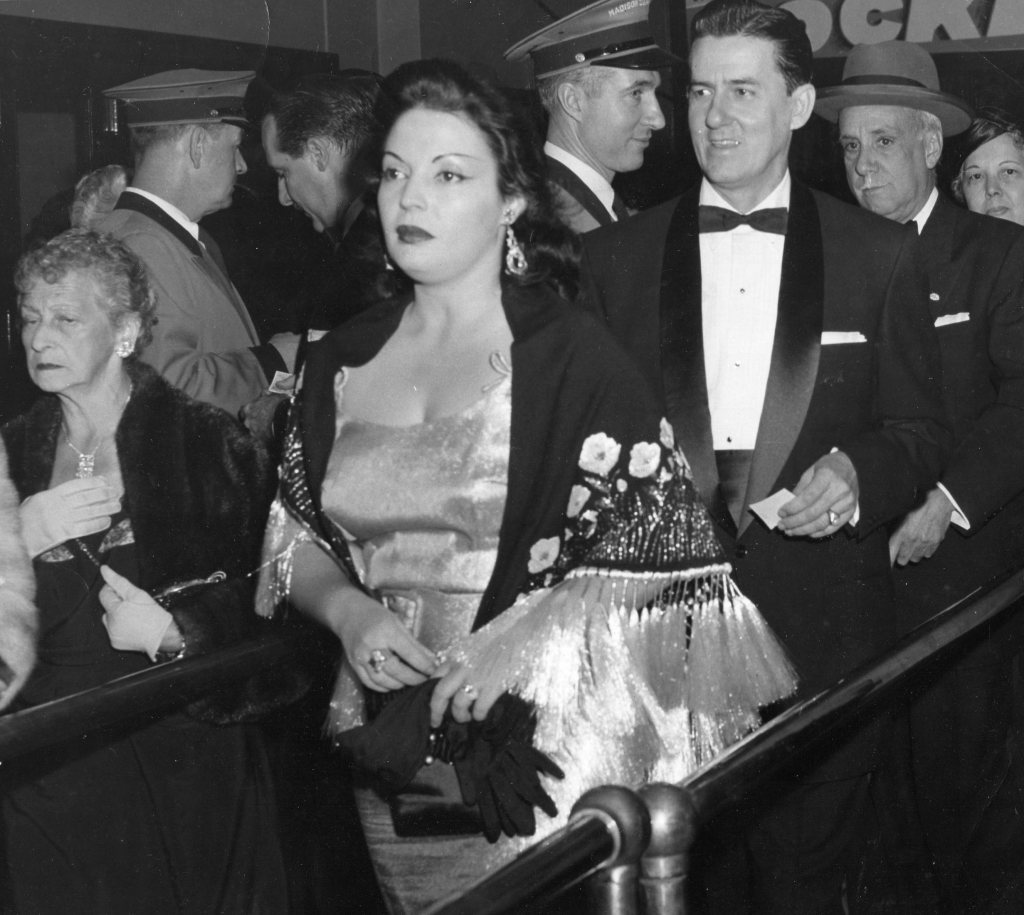
Benguría and Alonso at New York premiere of Mike Todd’s Around the World in 80 Days

In exile, Manolo Alonso directed La Cuba de ayer (1960s), a compilation of pre-revolution newsreels. Meanwhile, Xonia Benguría worked in New York Latinx theatres, including the Teatro LATEA, IATI Theater, Nuestro Teatro, and INTAR Theatre.  In 1989, she starred in the premiere of Luis Santiero’s “Lady From Havana,” and received raves from the Miami New Times:  “Creating very different characters in the course of one evening, and giving both roles depth and honesty, is an acting challenge, but these women make it look easy. Xonia Benguria commands center stage as the Queen Mama Beba, and portrays Gloria in Act Two with a fragile dignity.” Xonia had hoped to come to L.A. for the premiere of Casta de Roble’s restored printbut age and illness prevented it.

Cuban Publicity for Casta de Roble

For more information on Manolo Alonso, see Alejandra Espasande Bouza’s excellent article, “Manolo Alonso: A Cuban cinematic pioneer, http://alejandra-espasande-bouza.blogspot.com/2008/10/manolo-alonso-cuban-cinematic-pioneer.html. Many thanks also to Fabricio Espasande Bouza, who pulled together a ton of information on Benguría and translated it for me. See also Hollywood Goes Latin. Spanish-Language Filmmaking in Los Angeles, ed. by María Elena de las Carreras and J.C. Horak (Brussels: FIAF, 2019).
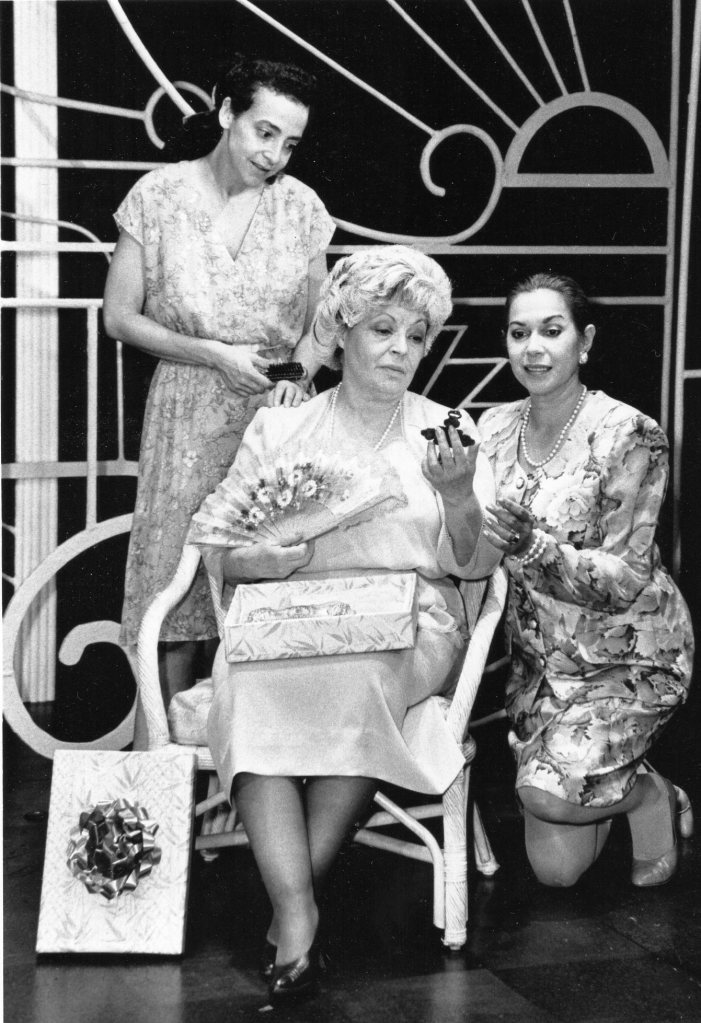
Marta VelascoXonia Benguria, Alina Troyano in “The Lady From Havana”

275: Marriage in the Shadows (1947)

Archival Spaces 275

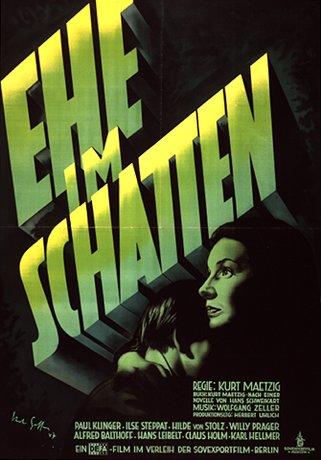
Marriage in the Shadows (1947, Kurt Maetzig)

Uploaded 6 August 2021

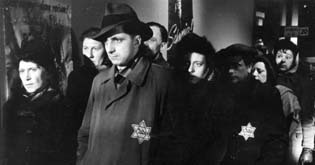
At the Nazi Mixed Marriage Office in Ehe im Schatten (1947, Kurt Maetzig)

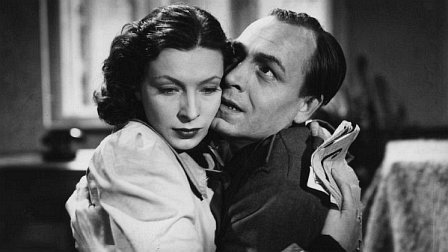
Although I have been studying German cinema for decades, I’m less familiar with films from the German Democratic Republic, simply because for a long time, it was just harder to see those films. The DEFA (Deutsche Film Aktiengesellschaft) was formed in 1946 and as an arm of the communist Socialist United Party (SED) maintained a monopoly until the demise of the GDR in 1990. Now Kanopy has made a very large selection of films from the DEFA collection at the University of Massachusetts- Amherst available, and I have been watching regularly. Recently, I caught up with an early so-called “rubble film” classic, Ehe im Schatten / Marriage in the Shadows (1947), directed by Kurt Maetzig. Starring Paul Klinger, it was the film debut of Ilse Steppat, who would later marry Max Nosseck, a German-Jewish director returning from Hollywood.  In retrospect, I’m, surprised I never saw the film, given Ehe deals with the expulsion of German Jews from theater and film after 1933, a topic of my dissertation. While the black and white film is very much a melodrama in the Ufa style before and during the Third Reich, – Bertolt Brecht called the film kitsch – Marriage in the Shadows clearly states that anti-Semitism was rampant in the German population and not just imposed from above by the Nazis.

The film opens in early 1933 with a theater performance of Friedrich Schiller’s “Intrigue and Love” (Kable und Liebe, 1784), staring Elisabeth Maurer and Hans Wieland. The Jewish actress is blacklisted shortly thereafter, and inexplicably, the “Aryan” Wieland marries her in the belief that he can protect her. Hans, initially the second fiddle to her star, continues his upwardly mobile career in Nazi Germany, even though a Jewish colleague strongly suggests the couple emigrate. Flash forward to the days before the November 1938 pogroms: His career is going gang-busters, while Elisabeth is suffering from intense isolation; unable to appear in public, she expresses doubts about their marriage, but he again dissuades her from emigrating. Like her Jewish former costume assistant, she spends days at the Nazi Mixed Marriages Bureau, applying for ration cards. The film’s last third takes place in 1943 when Elisabeth is ordered to hard labor, and Jews are being deported “to the East.” Hans talks her into attending the premiere of his newest film, ostensibly to cheer her up, where she charms a high-ranking Nazi, who is unaware of her status. When he finds out, he orders her deportation, and the couple commit double suicide.

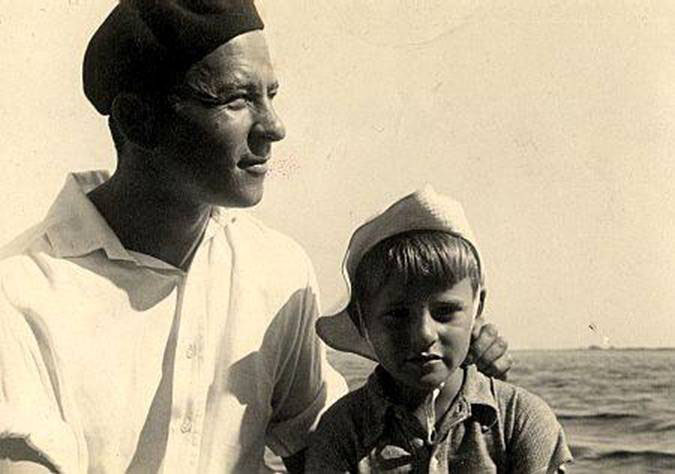
Joachim and son 1930s

Marriage in the Shadows is dedicated to the German film star Joachim Gottschalk, who committed suicide with his Jewish wife and 9-year-old son in November 1941. Meta Wolf had been a successful young actress when the couple married in 1930. Somehow, they avoided attention after the passing of the Nuremberg Race Laws, because Gottschalk was only acting on local stages. However, in 1937 Gottschalk scored a huge film hit with You and I, so-starring Brigitte Horney, becoming with her the Ufa’s dream couple, idolized by millions of German women. Despite pressure from Ufa executives, Gottschalk refused to divorce his wife. However, when in April 1941 Gottschalk took Meta to the premiere of The Swedish Nightingale, Propaganda Minister Joseph Goebbels banned him from film work unless he divorce. Gottschalk refused, further infuriating Goebbels who ordered Gottschalk drafted and his family sent to Theresienstadt. Goebbels forbid anyone from attending the funeral, although Horney and a few brave colleagues did go, while the German public only learned of Gottschalk’s fate after World War II, although there were many rumors.

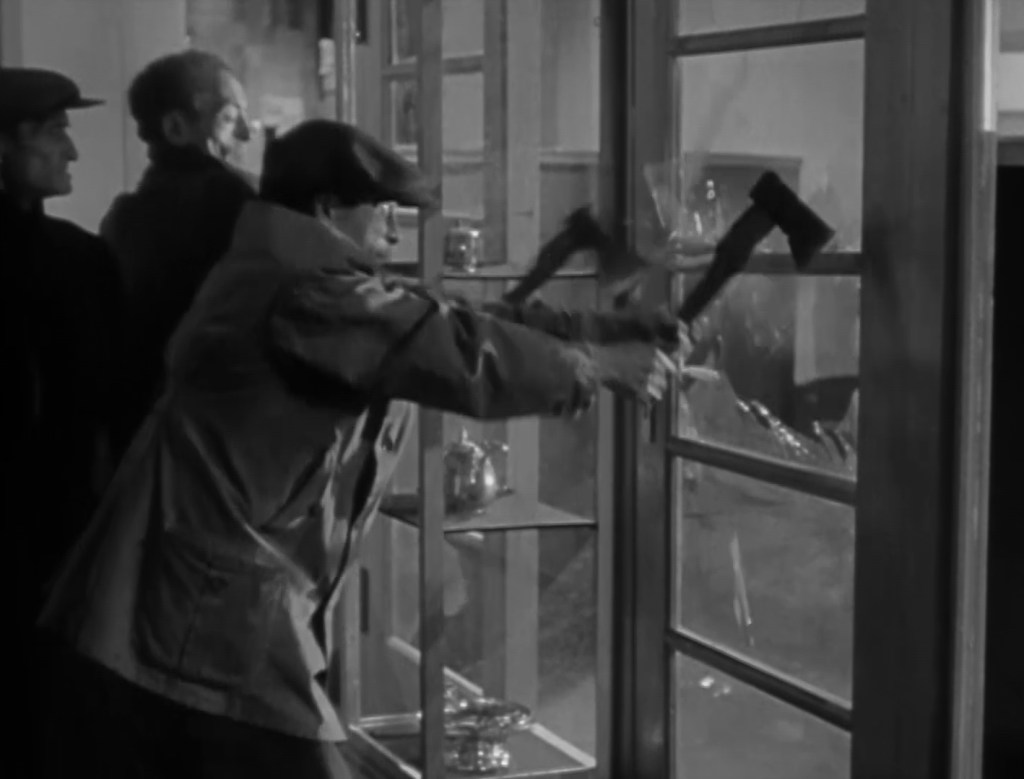
Looting Jewish shops in Ehe im Schatten
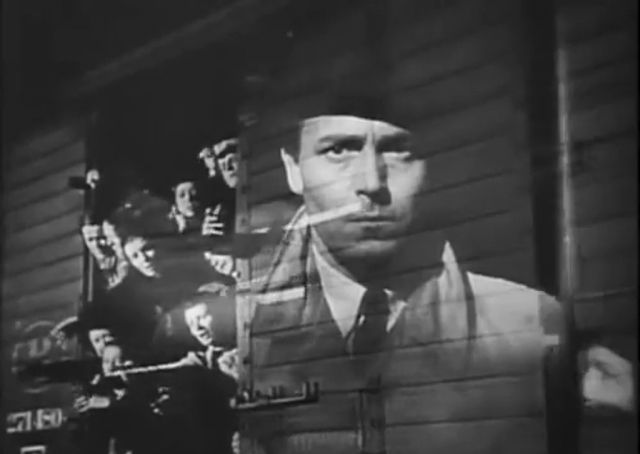
Hans imagines his wife on a train to Auschwitz in Ehe imn Schatten

In adapting the Gottschalk story to film, Kurt Maetzig probably intuitively understood that only a melodramatic treatment about a tragic film star could reach a primarily female audience hardened by twelve years of anti-Semitic propaganda. Interestingly, Maetzig who was himself blacklisted by the Nazis in 1935, and whose Jewish mother committed suicide in 1944, moved the fictional couple’s suicide to 1943, probably so he could portray the effects of the Allied bombing of Berlin (blamed on the German Fascists) and the deportations of Berlin’s Jews, which only began days before the Gottschalks killed themselves. Simultaneously, Maetzig limits his visualization of Nazism to a few brief shots: the Brownshirts marching in 1933, a single S.A. man ordering civilians to loot Jewish shops on 9 November 1938, while several SS types appear during the final premiere; furthermore, Hans imagines Elisabeth’s deportation and incarceration in a camp by the SS, but in contrast to the reality of the 3rd Reich, there are no Swastikas visible, and only two tiny Nazi Party pins. Two years after the end of German fascism, such symbols may have been too potent, possibly calling forth positive rather than negative reactions. Ironically, this dearth of Nazi symbols reinforces the film’s thesis that the German middle class, especially artists, were collectively guilty of turning a blind eye to Jewish suffering and opportunistically refusing to resist fascism.      

Ilse Steppat and Paul Klinger in Ehe im Schatten

But, according to film scholar Bernhard Groß (Die Filme sind unter uns), Hans and Elisabeth are also responsible for their own fate. Like the protagonists in Schiller’s bourgeois tragedy that opens the film, they suffer from hubris, rubbing her Jewishness in the face of the Nazi bureaucrats, and by refusing to emigrate, despite numerous opportunities. Their tragedy is that like many German intellectuals, they keep telling themselves things will not be so bad under Fascism, that they can mitigate the worst Nazi excesses, that they can protect themselves. Indeed, the film is based on a post-war novella by Hans Schweikert, It Won’t Be so Bad, who, by the way, was one of those opportunists who profited greatly from the film industry, though not an overt Nazi.

Dr. Kurt Maetzig (1911-2012)

When Marriage in the Shadows opened in Hamburg in April 1948, Veit Harlan and his wife, Kristina Söderbaum, the notorious director and star of Jew Süß (1940), attempted to attend the local premiere but were rebuffed. Like far too many Germans, they yearned to continue their lives without repercussions for their passive and active crimes. Thanks to American Military Occupation policy, which favored anti-Communism over de-Nazification, all but the worst German mass murders were allowed to continue their middle-class lives and careers without consequences. Meanwhile, Marriage in the Shadows became a huge hit, bringing in over 10 million viewers in all four zones of occupation. Gottschalk’s female fans, millions of them war widows who had lost husbands and sons, made it so.

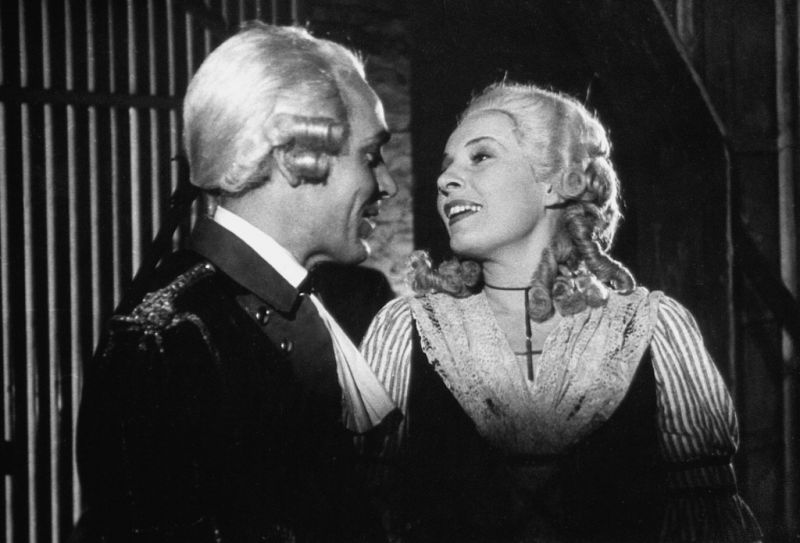
Acting out Intrigue and Love

274: Restoring Summer of Soul

Archival Spaces 274

Restoring Summer of Soul (… or When the Revolution Could Not Be Televised) (2021)

Uploaded 23 July 2021

The Harlem Cultural Festival in the summer of 1969 has been called “the Black Woodstock.” Held over a period of six Sundays in what is now called Marcus Garvey Park at 125th Street in Harlem, the Festival drew over 300,000 people and featured some of the biggest music acts of the era, including Stevie Wonder, Gladys Knight, and the Pips, Sly and the Family Stone, the Chambers Brothers, the Fifth Dimension, B.B. King, the Staple Singers, the Edwin Hawkins Singers, Mahalia Jackson, Nina Simone, The Temptations’ David Ruffin, and Mongo Santamaria. A fantastic new documentary, Summer of Soul (… or When the Revolution Could Not Be Televised), directed by the musician-disc jockey-record producer Ahmir Khalib Thompson aka Questlove, not only captures the spirit of that signature event but also contextualizes it within the African-American struggle for civil rights and an emerging “Black is Beautiful” cultural identity, adding modern interviews with participants on and off stage, as well as news film footage.

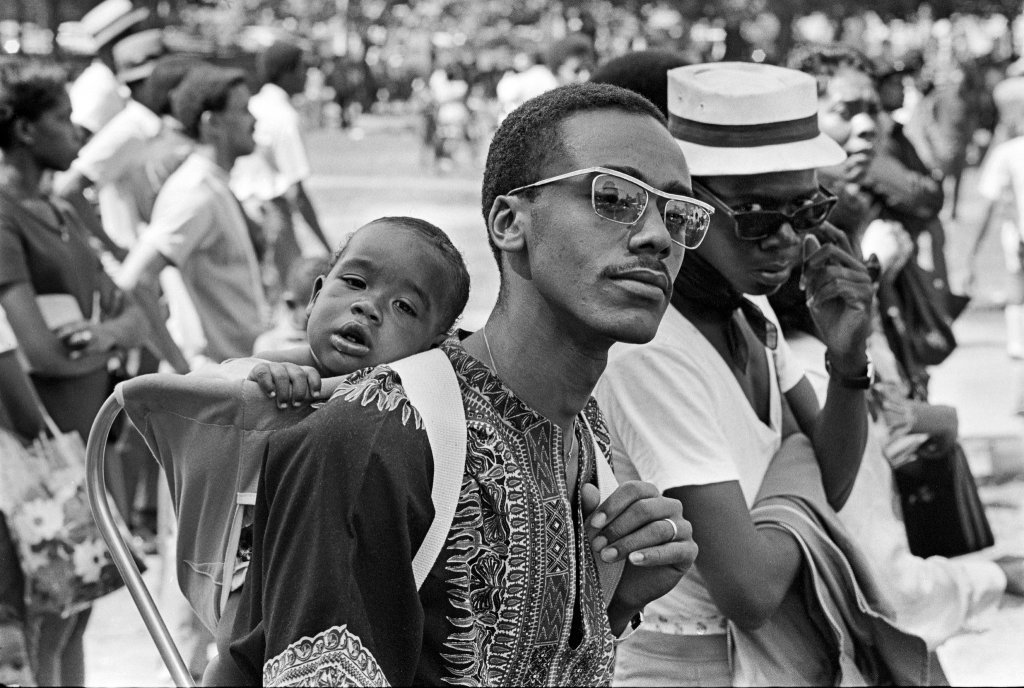
African-American fashion at Black Woodstock

As the documentary makes clear, structural racism in America’s entertainment industry kept the video footage from receiving its full due, even though many of the acts had had huge crossover hits that summer.  At least four one-hour (with commercials) compilations of the Harlem Festival were broadcast at the time. Produced/hosted by Tony Lawrence and produced/directed by Hal Tulchin with Jambe Prods., Ltd., one show was seen on the New York CBS affiliate WNEW-TV and CBS-KOOL-TV in Phoenix in July 1969. ABC broadcast a second show in September 1969 on WLS-TV in Chicago and probably some other markets, including Dallas, Miami, and the South. A compilation was also shown in Europe, distributed by Storyville Films. Thus, while the film states that the videotapes remained unseen and unheard for over 50 years, rotting away in a basement until producer Robert Fyvolent acquired the more than forty hours of footage, the actual story of its “discovery” and preservation is more complicated.

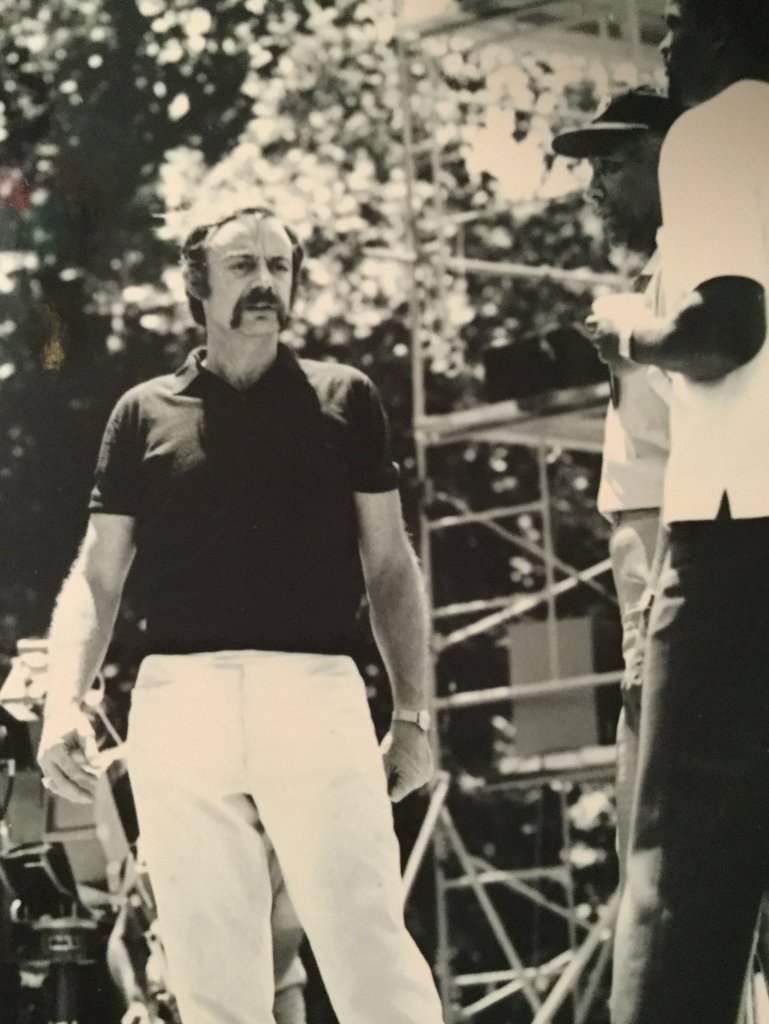
Director Hal Tulchin

The 3rd Harlem Cultural Festival, sponsored by Maxwell House, was recorded on 2” Quad videotape in summer 1969 by television director Hal Tulchin who put up his own money. Tulchin hired Tele-Tape Productions to supply a mobile recording truck, three Marconi Mark VII four Plumbicon tube color cameras. One tube each for the red, blue, green, and black & white, as well as a Norelco PCP-70 portable color camera with three Plumbicon tubes, red, green, and blue for the hand-held shots of the stage and audience.  All cameras were hard-wired to the truck. The Marconi cameras had their own vertical and horizontal aperture correction design, BBC qualified lens, producing a very high quality and detailed picture in both luminance and color. Filling the entire 4.2 Mhz NTSC bandwidth with information.

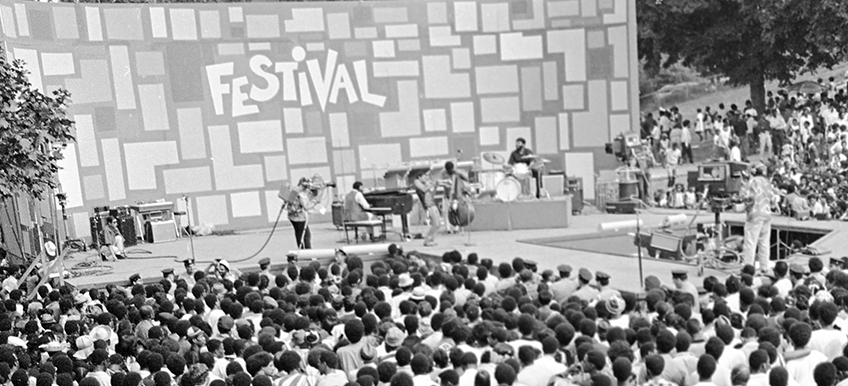
Norelco camera left of piano, Marconi cameras on and under stage right

The Tele-Tape truck had a full control room and two High Band Quad machines. The director created two simulations live versions. The first 2” machine recorded a line-cut of the performances on stage from the four cameras, as well as mixed audio on the audio track and ambient audio from the audience on the Cue track. The second Quad recorded an ISO cut, which was a camera shooting the crowd from the perspective of the performers. There were microphones on stage picking up crowd noise that was recorded on the main audio track. Audio from the production board mixer was recorded on the cue track from the Norelco, and ISO audio straight from the production board mixer since multi-track location recording was not yet possible. On high-profile performances, both Quad machines were recording the line cut and mixer audio as a backup.  Six reels of 90-minute Quad tape were shot per day. 

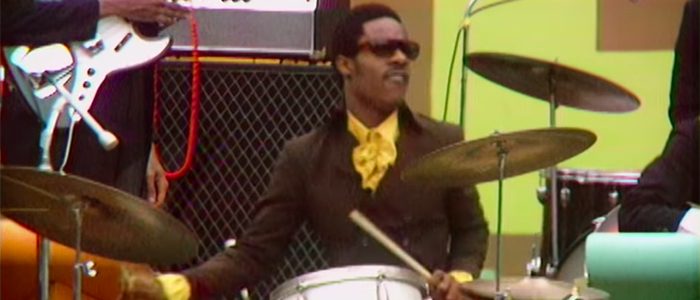
19 year old Stevie Wonder on drums. Photo Courtesy of Searchlight Pictures. © 2021 20th Century Studios
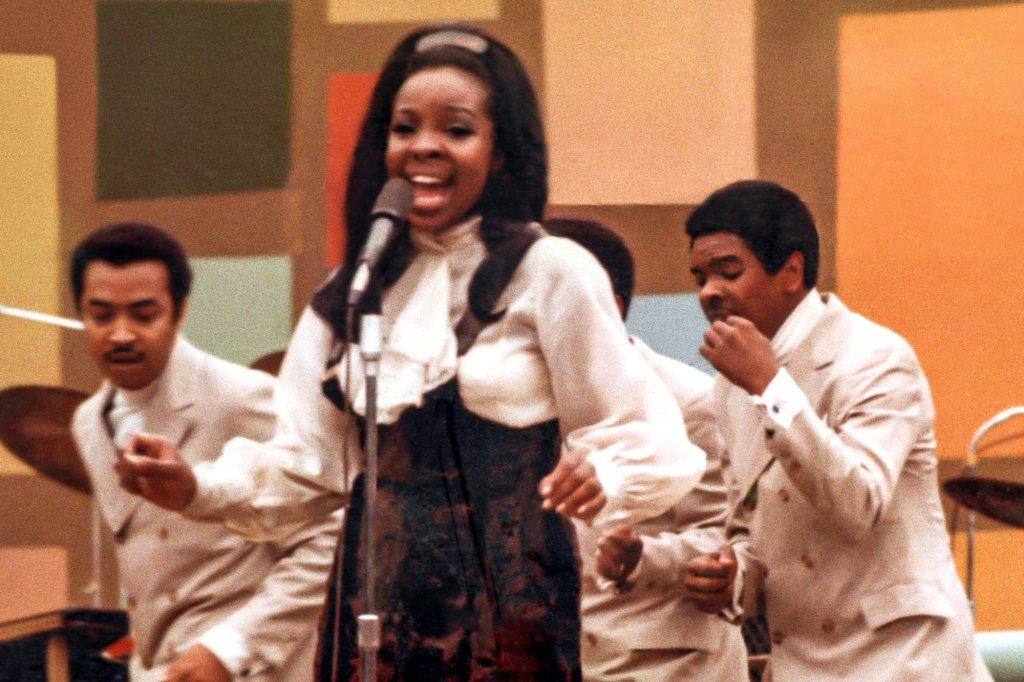
Gladys Knight & the Pips. Photo Courtesy of Searchlight Pictures. © 2021 20th Century Studios

Hal Tulchin tried for years unsuccessfully to find financial backers for his “Black Woodstock,” which he had copyrighted. In the early 1980s, Tulchin dubbed each of the Quad masters onto 1” Type C” on Ampex VPR-2’s, using 60 min tapes and small spot reels. For some reason he didn’t use 90 min 1” tape stock, thus breaking up the original reels. The quality of the analog dubs was also lower at 300 lines. The tapes remained stored in Tulchin’s Bronxville basement for decades.      

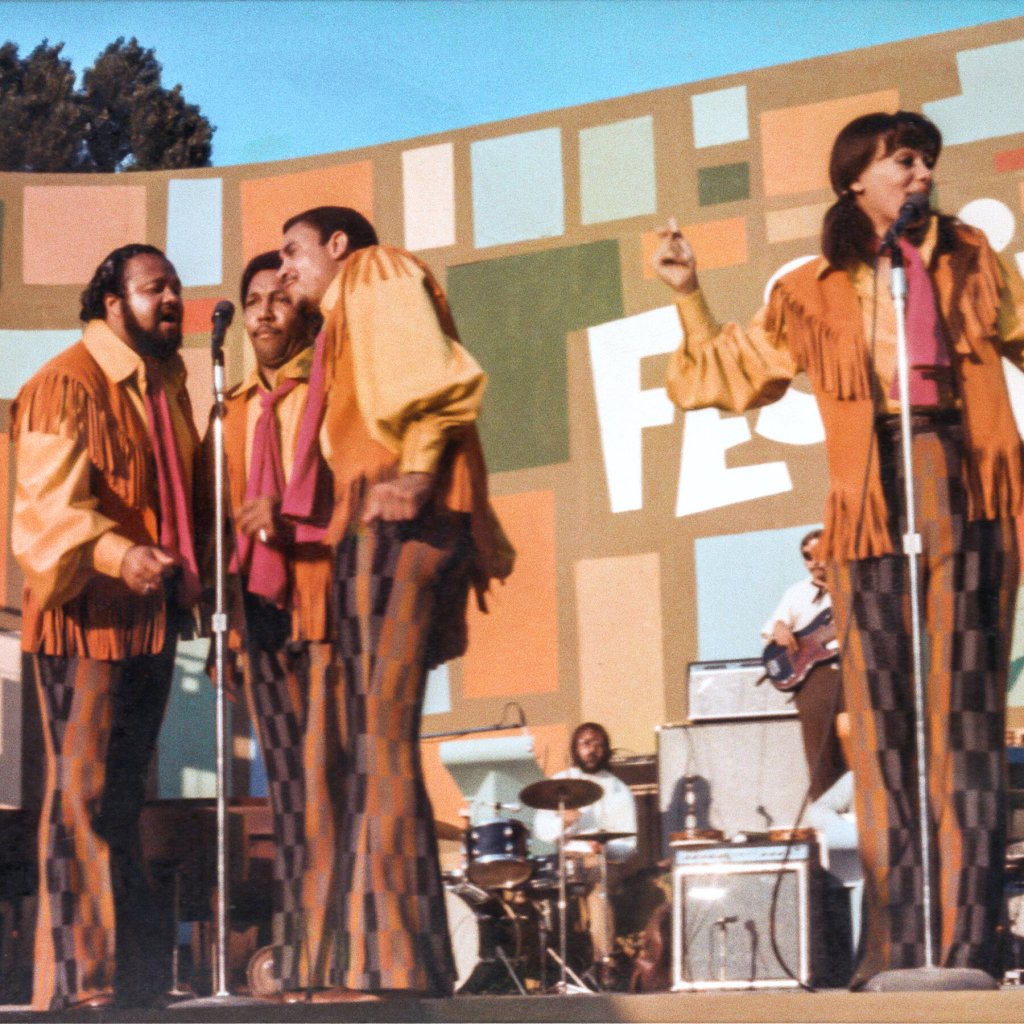
The Fifth Dimension

In 2004, Joe Lauro of Historic Films licensed all the footage and actually distributed clips, e.g. of Nina Simone, for several years and also teamed up filmmakers Morgan Neville and Robert Gordon to create a documentary but failed to find adequate financial backing. One company they pitched was Newmarket films, whose lawyer was Robert Fyvolent; he personally bought an option for the footage from Tulchin shortly after. In 2011 Tulchin made a new pitch, working with Alex Gibney’s Jigsaw Productions (Mr. Dynamite: The Rise of James Brown) to sell the project. In June of 2012, a sample of the 1” tapes was sent to DuArt Restoration for evaluation, but their Video technician, Maurice Schechter, determined these tapes had baked in quad artifacts, so the original quads were pulled from Tulchin’s basement. Fourteen of the 2” tapes and log sheets were sent for transfer and restoration. The Quads were found to have incredible detail, resolution, saturation, and sound, but eventually, Jigsaw walked away. Tulchin died in August 2017 without having realized his dream of a “Black Woodstock” film. In October 2015, DuArt Restoration closed down and the fourteen original quad tapes apparently ended in the dumpster.

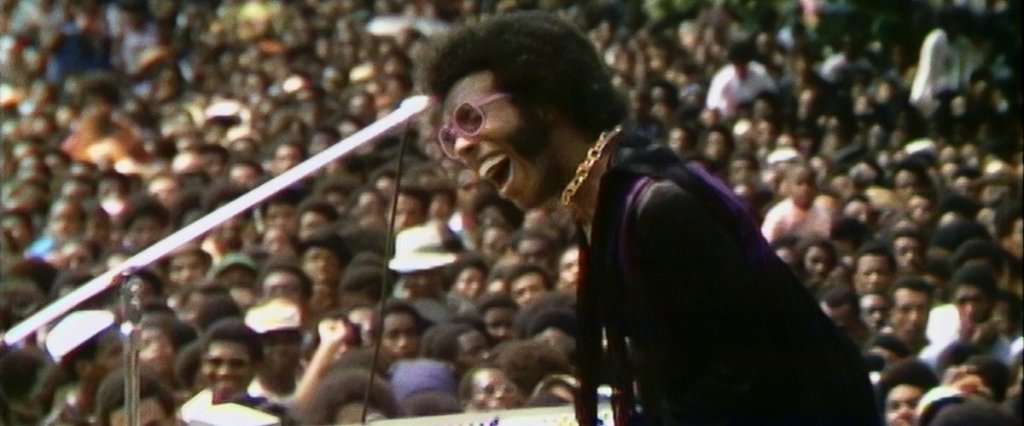
Sly Stone of Sly and the Family Stone

Before Tulchin died in September 2017, Fyvolent exercised his option and formed Mass Distraction Media to produce a documentary, probably bringing in Joe Kamen and RadicalMedia soon after, since that company asked the AMIA Listserv for suggestions to do transfer work on 2” Quads. Since Schechter Engineering had purchased DuArt’s video lab, Maurice Schechter and Bill Seery of Mercer Media were contracted to transfer all surviving 2” and 1”, baking and cleaning the quads to mitigate any back coat issues and from the decomposed foam seals of the Scotch Aqua shipping cases. The 1″ tapes had the Scotch flange removed. The analog video output of the quad was fed into a Snell and Wilcox decoder, which created a 10bit uncompressed SDI stream. This was a huge challenge since detail from the 4 tube cameras can create a mirage of visual artifacts, dot crawl, cross color, and loss of resolution. After several more steps to capture the audio. the SDI signal was captured by AJA to a 10bit uncompressed interlaced NTSC / 24bit 48Khz PCM quicktime file. Unfortunately, some of the performances had been on the lost 14 tapes. Fortunately, Schechter found the hard drives from the 2011 transfers and donated them to Radical. At this point director Questlove was brought in to supervise color timing and editing.

RCA TR600A Quad Machine at Glen Head, N.Y. transferring Tulchin footage

A decision was made to finish the film in 4K at 24p, blending down the 30 frame NTSC ( AKA 29.97 ) of the original digitization to 24 Frames, while keeping the 4×3 aspect ratio, thereby creating some digital artifacts. The producers apparently wanted the feel of photochemical film, giving it a “more vintage film” look that contrasted with the modern interviews and buttressed the filmmaker’s thesis that the historical event had been willfully neglected for decades.   

Ahmir Khalib Thompson aka Questlove

Make no mistake, Questlove and the producers have created an extremely moving document that itself becomes evidence for the institutionalized racism suffered by people of color in this country while celebrating the unbelievable joy of music. Nevertheless, one can hope that the unedited and correctly transferred footage of this amazing event will one day become available in all its visual glory.

Thanks to John H. Mitchell Television Curator Mark Quigley for help on researching this blog, to Joe Lauro for an interview, and to Maurice Schechter who spent hours explaining the technical aspects.

Nina Simone

273: John Auer’s Poverty Row

Archival Spaces 273

John H. Auer’s Beginnings as a Poverty Row Auteur

Uploaded 9 July 2021

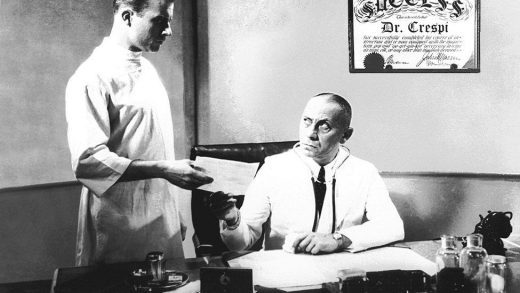
Erich von Stroheim in The Crime of Dr. Crespi (1935)

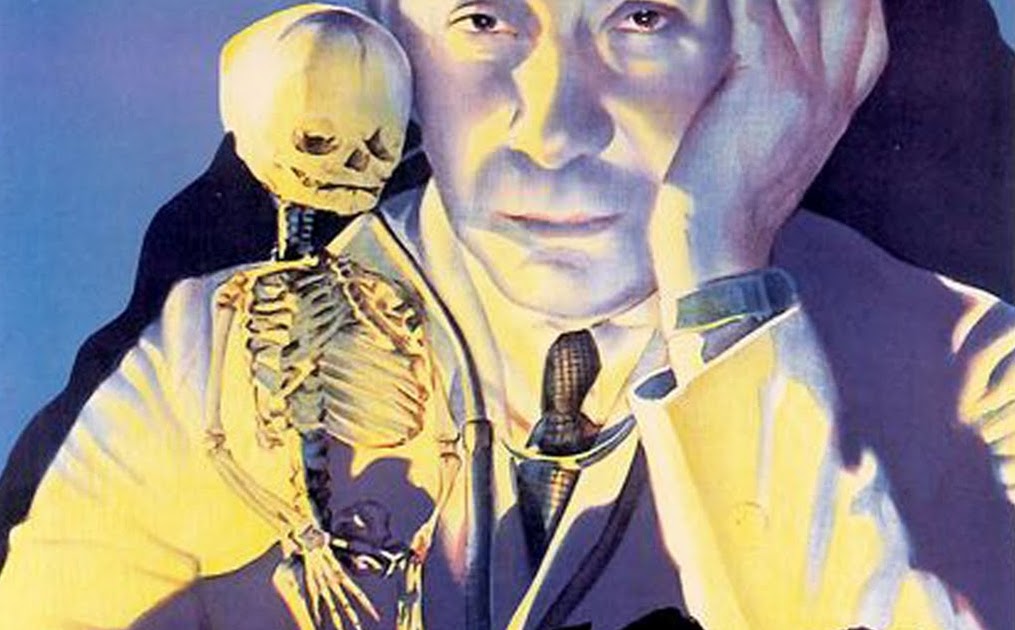
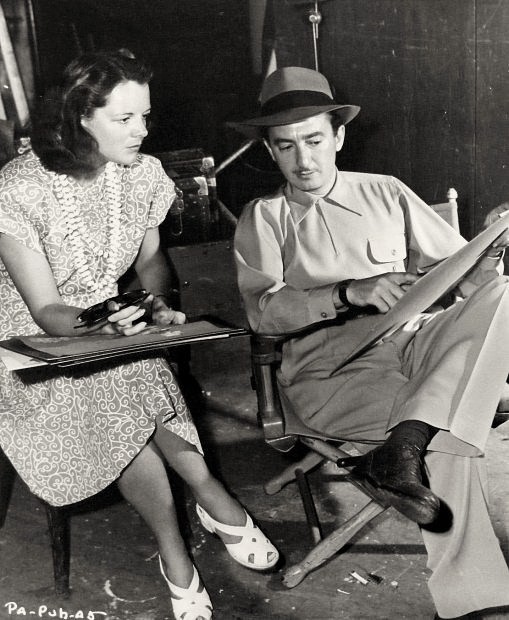
This week I recorded a DVD commentary for The Crime of Dr. Crespi (1934), directed by the Hungarian American director, John H. Auer, which will be released in a four-disc box set by Flicker Alley later this year. According to an appreciation published by David Kerr in Film Comment in 2011, the director, John H. Auer, “was a filmmaker of high ambitions who discovered a certain freedom on poverty row,” like Edgar G. Ulmer at PRC and Joseph L. Lewis at Monogram. As house director for urban thrillers romantic comedies, torrid melodramas, and breezy musicals at Republic, – anything but westerns! – Auer held a position similar to Michael Curtiz at Warner Brothers. Kerr notes further, more than a competent craftsman, Auer’s films are about constant motion within a fixed structure, his characters consistently inconsistent, defined by dual natures and hidden emotions. In doing the research for the commentary, I was able to nail down some biographical details that have been fuzzy in previously published biographic sources.

John H. Auer

Born in Budapest on 3 August 1906 in what was then still the Austro-Hungarian Empire, John Hummer Auer suppressed his middle, becoming John H. According to some sources, John H. Auer was educated in Vienna and acted as a child in Hungarian films, beginning in 1918, but no credits have been confirmed. He supposedly entered the business world after his career as a child actor ended. His older brother, Stephen Auer preceded him to the United States, entering the country through New York in March 1921, remaining there until applying for American citizenship in 1927. Johan Auer arrived in New York from Trieste in November 1928 with his mother, Hinie Auer, on a temporary visa, giving his profession as clerk. It is unclear how long he stayed in New York with his brother, before traveling to Hollywood to find work as a director, but Auer initially failed to get a job.

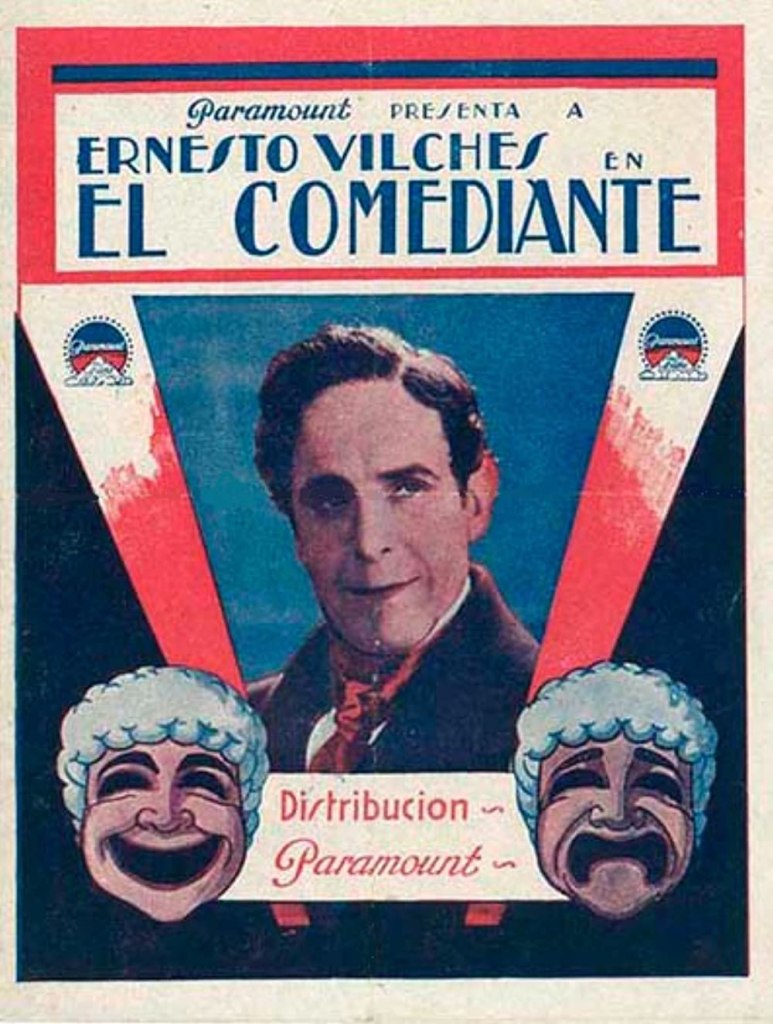
Auer apparently entered the film industry in late 1930 as a producer for a Spanish language film, El comediante (1931), under the John H. Auer Productions banner. Starring and directed by Ernesto Vilches, the film was shot in Los Angeles and picked up for distribution by Paramount. Based on de Mélésville’s 19th century play, “Sullivan,” about the actor David Garrick, the film has Vilches performing in a variety of roles, including, “Peña Mena, Salambo, Juan Molinari and other figures known to the public,” according to Los Angeles Spanish language newspaper La Opinion.

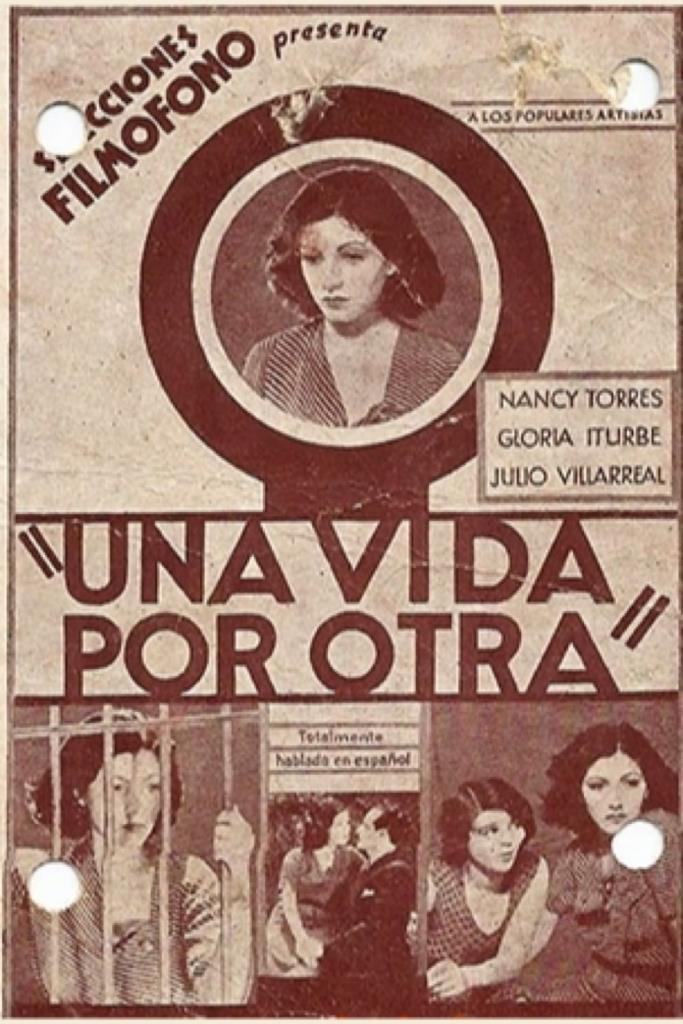
While El comediante and the majority of Spanish language films were still being produced in Hollywood, due to inadequate production conditions for sound films in Mexico, by 1932 the situation was beginning to change, thanks to the success of Santa (1932). Auer’s directorial debut came with Un vida por otra (1932), a film he also co-wrote, although he did not speak Spanish. Produced by the companies Compañia Nacional Productora de Peliculas and Inter-Americas Cinema in the United States, the film starred Nancy Torres and Julio Villareal. The great Mexican director, Fernando de Fuentes co-wrote the script and probably assisted Auer with the direction of the actors, directing his own first feature the following year.  A melodrama of “a pure Mexican woman,” the film tells the story of Lucia, who needs money for her sick mother and takes the blame for a murder she didn’t commit; her mother dies before the actual murderess pays her, so she is ultimately acquitted. As La Opinion wrote in its review: “With an argument full of vigor and interest, it presents the rare combination of good photography with excellent acting. The direction is by John Auer, one of the foreigners most intimately knowledgeable about Mexican psychology.” The film received an award from the Ministry of Education of Mexico.

Auer followed up that film with Su última canción (1933), starring the Mexican “Caruso” Alfonso Ortiz Tirado and Maria Luisa Zea with music by José Broseño. The film revolved around a down on his luck opera singer who is prevented from committing suicide by a young woman who helps him revive his career but doesn’t love him, leading to tragedy. The film was praised in La Opinion as a truly “national” picture with outstanding acting and superior cinematography by Alex Phillips (Santa), the Canadian cinematographer who had a long career in Mexico. All three films by Auer were screened in the Spanish language cinemas of downtown Los Angeles and reprised several times.

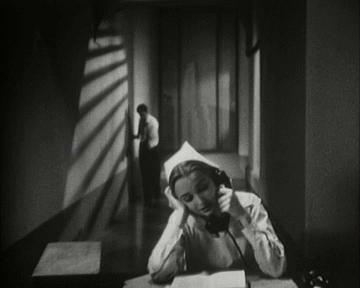
The Crime of Dr. Crespi with Jeanne Kelly

Still unable to get an offer from Hollywood, Auer next directed The Crime of Dr. Crespi in September 1934, which he apparently also produced through his own company, J.H.A. Pictures, but was co-financed by Liberty Pictures and M.H. Hoffman in New York. Filmed at the Biograph Studios in the Bronx, New York, the film was very loosely based on Edgar Allan Poe’s short story, “The Premature Burial.” First published in the Philadelphia Dollar Newspaper in 1844, Crespi was co-written by John H. Auer and adapted by Louis Goldberg under the pseudonym Lewis Graham and Edwin Olmstead. Historical sources list Liberty Pictures as the film’s producer, but The Crime of Dr. Crespi was released by Republic Pictures, after Herbert J. Yates, the owner of Consolidated Industries, merged several poverty row studios that were heavily in debt to him. The Crime of Dr. Crespi was copyrighted twice on 29 November 1935, with a note by Republic stating that the first copyright in Liberty’s name was an error. The film remained on the shelf for at least 18 months and was not screened publicly until January 1936. Like much of Auer’s later work, the film’s studio bound scenes give evidence of high key lighting, expressionist shadows, off-kilter camera angles, a lot of camera movement, and even direct references to Weimar Cinema’s The Cabinet of Dr. Caligari (1919) and Carl Dreyer’s Vampyr (1932).

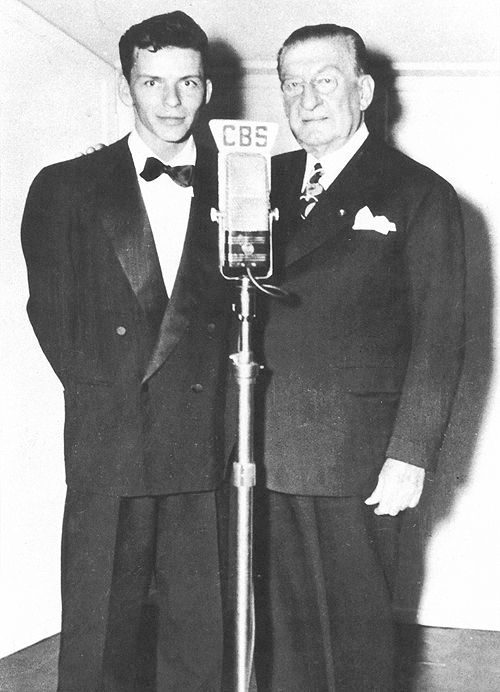
Major Bowes and Frank Sinatra (1935)

After completing the film Auer remained in New York at the Biograph Studios – probably living again with his brother and mother in New York – directing two short films, adapted from the “Major Bowes Amateur Hour’ radio program on the N.B.C. Network. Major Bowes Amateur Theatre of the Air was actually produced by Auer and may have been a pilot, because the second film, Major Bowes Amateur Parade No. 1 (1936), officially opened the six-film RKO series, introducing local singers and other variety artists to a wider public. A young Frank Sinatra made his first public appearance. recording with the Hoboken Four in the first film. 

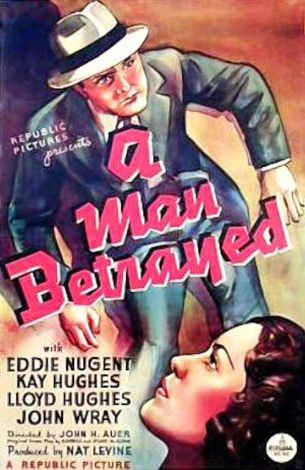
John H. Auer transitioned to Republic Pictures after the merger with Liberty. His first film for Republic was A Man Betrayed (1936), shot at the Mack Sennett Studios – renamed Republic Studios in Los Angeles, and released in December 1936. Auer became a resident of Los Angeles the same year, according to his marriage certificate. Except for a three year period at RKO in the 1940s, Auer remained with Republic almost to the end of his career, directing and producing 30 features. Auer died on 15 March 1975 in North Hollywood.

Dwight Frye and Erich von Stroheim in The Crime of Dr. Crespi (1935)