296: Reinhard Heydrich’s End

Archival Spaces 296

Operation Anthropoid

Uploaded 27 May 2022
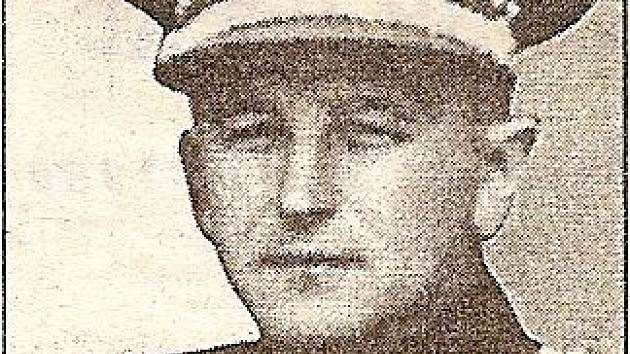
Gen. Josef Kohoutek, my great uncle.

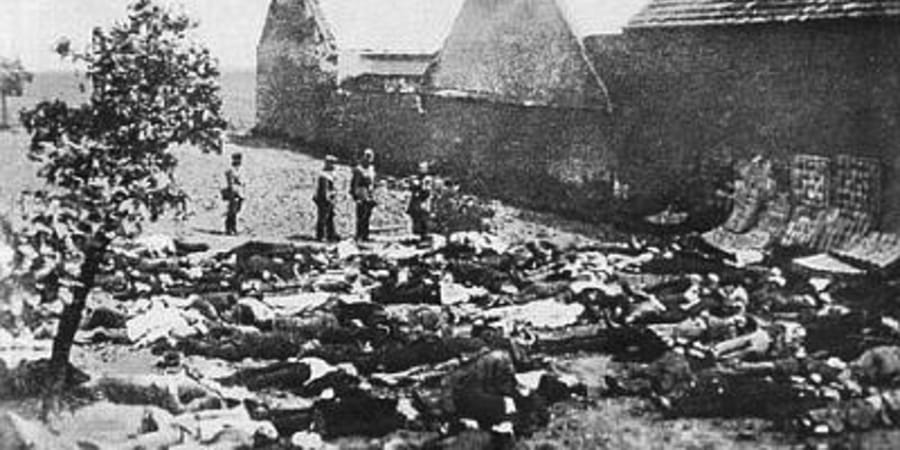
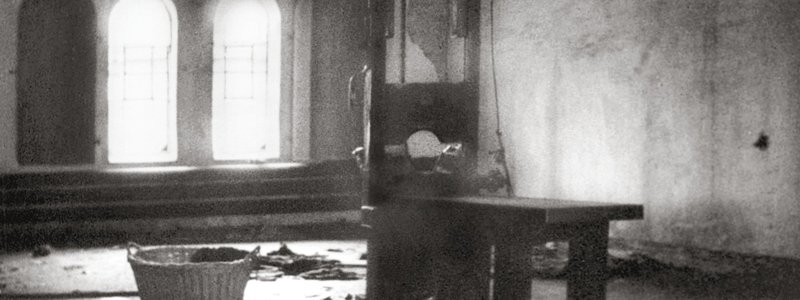
Exactly 80 years ago, on 27 May 1942, the so-called Reichsprotektor of Bohemia and Moravia, Reinhard Heydrich, was wounded in an assassination attempt by members of the Czechoslovak Army in exile in an operation code-named Anthropoid. Flown in by the Royal Air Force and coordinated on the ground with Obrana Národa (Defense of the Nation), the Czech resistance group made of former officers of military intelligence, the operation succeeded when the architect of the Holocaust, died on 4 June of his wounds. The assassination leads to massive reprisals against the Czechoslovak people, including the utter eradication of the village of Lidice outside Prague and its inhabitants, the arrest of 13,000 Czech citizens, and the killing of as many as 5,000. My great uncle, Gen. Josef Kohoutek, a member Obrana Národa, was executed on 19 August 1942 at Plötzensee (Berlin), in a direct reprisal for Heydrich’s death.
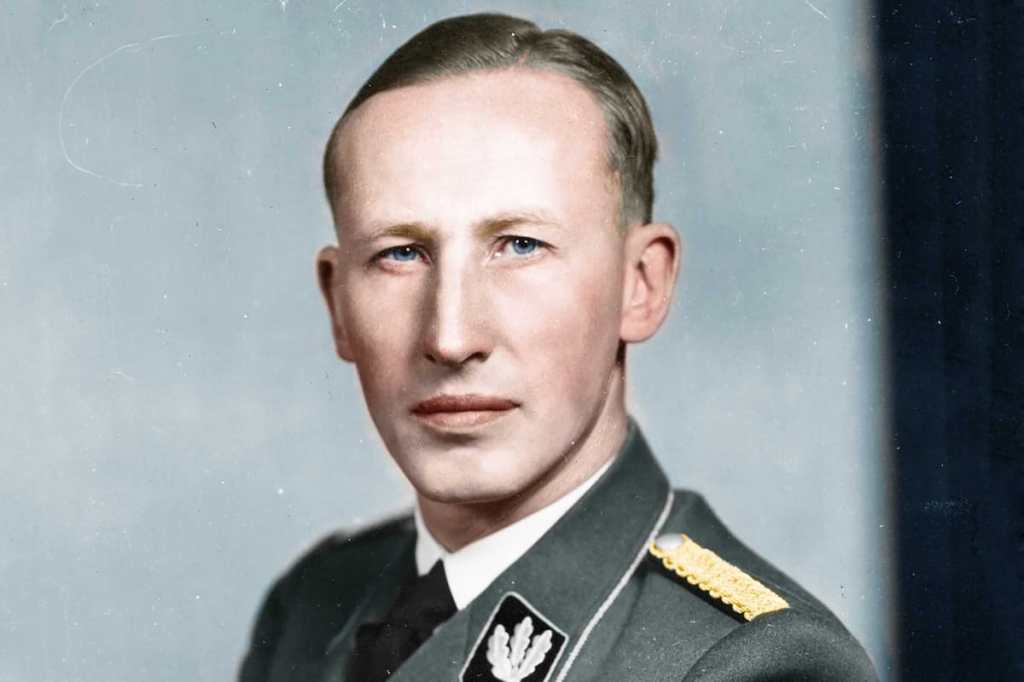
SS Obersturmbannfuehrer Reinhard Heyrich
The dead at Lidice, June 1942.

A member of the Czechoslovak Army General Staff, my uncle had married my grandmother’s sister, Milada Koulová in February 1923, the couple remaining childless. Teta Mila’s father, and my great-grandfather, was Ing. Václav Koula, General Director of ČKD (Českomoravská Kolben Danĕk), the country’s largest manufacturer of cars, motorcycles, and trams; it was converted by the Nazis to producing armaments for the Wehrmacht. The main factory in Prague-Vysočany was located just below the two villas belonging to my family. Although V. Koula had retired by the Nazi invasion in March 1939, my grandfather, Ing. Jan Horák, worked as an executive for the same company. After his incarceration in a Concentration Camp in November 1939 at Sachsenhausen-Oranienburg, my father joined the underground. Unwilling collaborators and resistance fighters in the same family; a Czech fate.
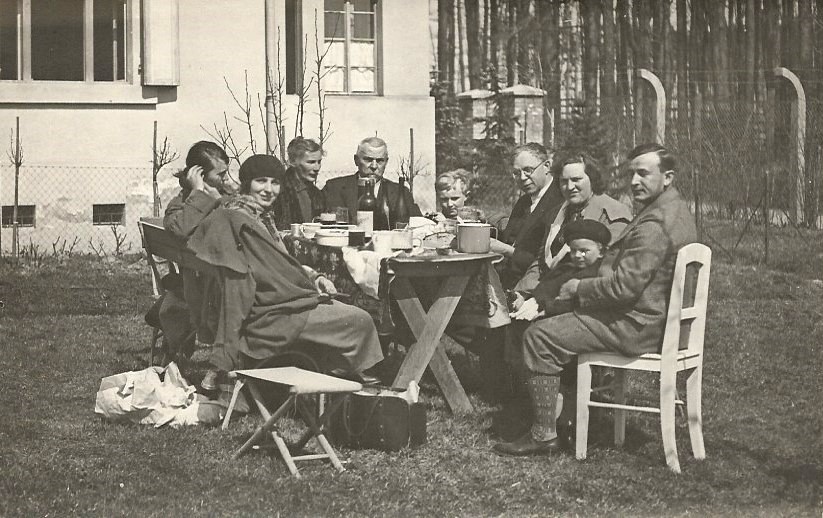
V. Koula (Center, Back), J. Horak, Bozena Horakova, Gen. J. Kohoutek, the children are my father, Jerome Horak, and my Aunt, Libuse.
Mila and Josef Kohoutek

General Josef Kohoutek was born in Hodějice, a village just East of Brno, Moravia, on 3 March 1896 and graduated from high school in Brno in 1915. After completing reserve officer training in the Bosnian-Herzegovinian IV Regiment of the Austrian Army, he was sent to the Italian front. He was captured on 18 Sept. 1917 at Carzano, better said deserted to the Italian side, where he joined the Czech Legions, eventually earning an Italian and Czechoslovak War cross for shrapnel wounds to his neck. Meanwhile, my grandfather Jan Horák deserted on the Eastern front and joined the Czech Legions in Russia. Horák returned to private life, while Kohoutek continued his military career after the Armistice, studying at Prague’s War College (1923-25), then joining the Army’s 10th Division, before moving to Army Intelligence, becoming its head in 1933. According to one report, “Josef Kohoutek contributed significantly to the development of plans for the defense of the republic, especially mobilization, at a time of deterioration of the international situation.” After the Nazi occupation in March 1939, he became a government bureaucrat in the Price Control Office but also joined the clandestine Obrana Národa.
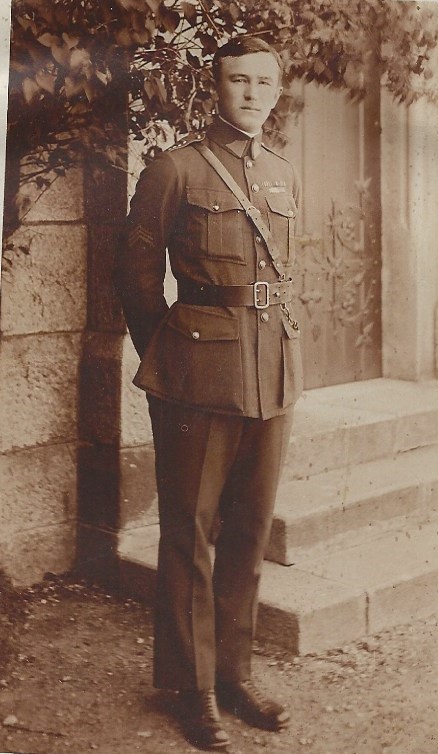
Col. Josef Kohoutek, 1920
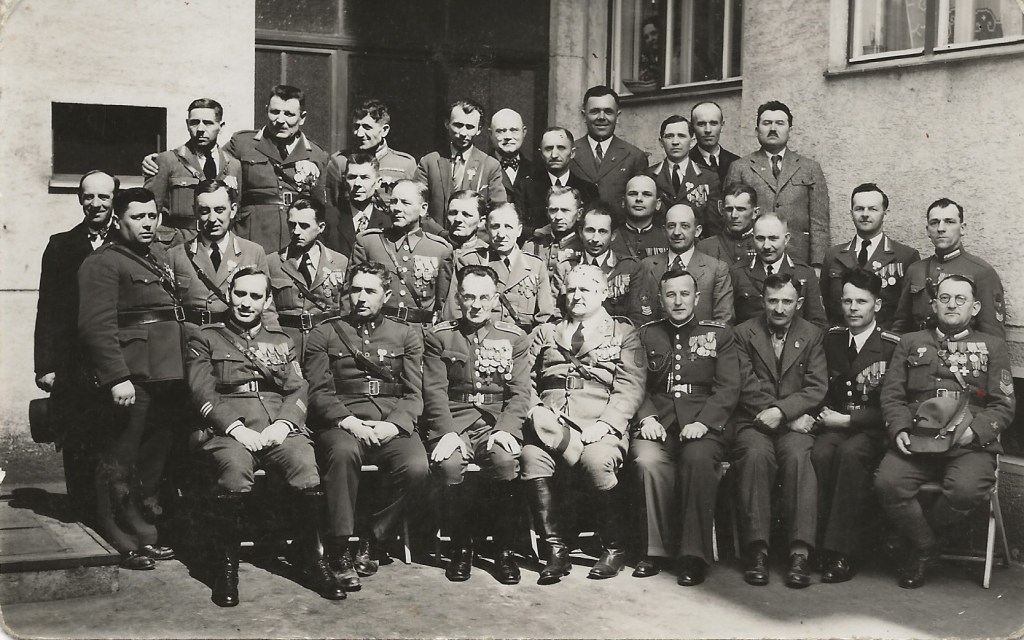
Gen. Kohoutek (front row, 4th from right) and General Staff Czechoslovak Army, 1937

According to the indictment of the Supreme Prosecutor’s Office of the People’s Court in Berlin on 15 October 1941, Gen. Kohoutek was arrested on 6 February 1940 at his home in Prague Vysočany (next door to my grandparents’ house) and had been detained in Berlin-Moabit Prison since 3 September 1940.  Kohoutek’s indictment for treason, along with seven other members of Obrana Národa read: “The accused have put themselves in the service of the illegal Czech military organization Obrana Národa and as members of the Bohemian Military command have supported a secret conspiracy after the establishment of the Protectorate of Bohemia Moravia. The goal of the organization was the violent separation of Bohemia Moravia, the Sudeten Gau, and other areas from the Reich and the creation of an independent Czechoslovak Republic.” Later in the indictment, the prosecutor characterizes the founding of the Czechoslovak Republic in October 1918 as “less the attempt at the independence of a national group and more an artificial creation by Western democracies wishing to brutally destroy the German Reich.”  
Obrana Národa was founded by Gen. Josef Bílý in April 1939 within weeks of the Nazi occupation with the goal of organizing an uprising, but soon became more focused on intelligence gathering and minor acts of sabotage, while maintaining contact with the government-in-exile in London under Edvard Beneš. While the organization was able to infiltrate the Gestapo and place members in armaments factories who reported back to London on Nazi military production, the Gestapo also penetrated Obrana Národa, decimating the organizational leadership in February 1940, May 1942, and June 1944, although each time it was reorganized.

Berlin Moabit Prison
Execution chamber at Berlin Ploetzensee

On 28 December 1941, the RAF flew Jozef Gabčík and Jan Kubiš, along with seven other Czech soldiers to Bohemia, where they were hidden by members of Obrana Národa, including my aunt Mila Kohoutová who had joined the organization. After the successful attack, the Gestapo could find no leads on who was responsible for the assassination, while the assailants hid with two Prague families, then moved to the basement of the Karel Boromejsky Church in Prague-Vinohrady. Unfortunately, one of the group, Karel Čurda, turned himself into the Gestapo and revealed the names of their local contacts for a 1 million Reichsmarks reward.  SS troops laid siege to the church but were unable to take the assailants alive, despite a force of 750 Storm Troopers.
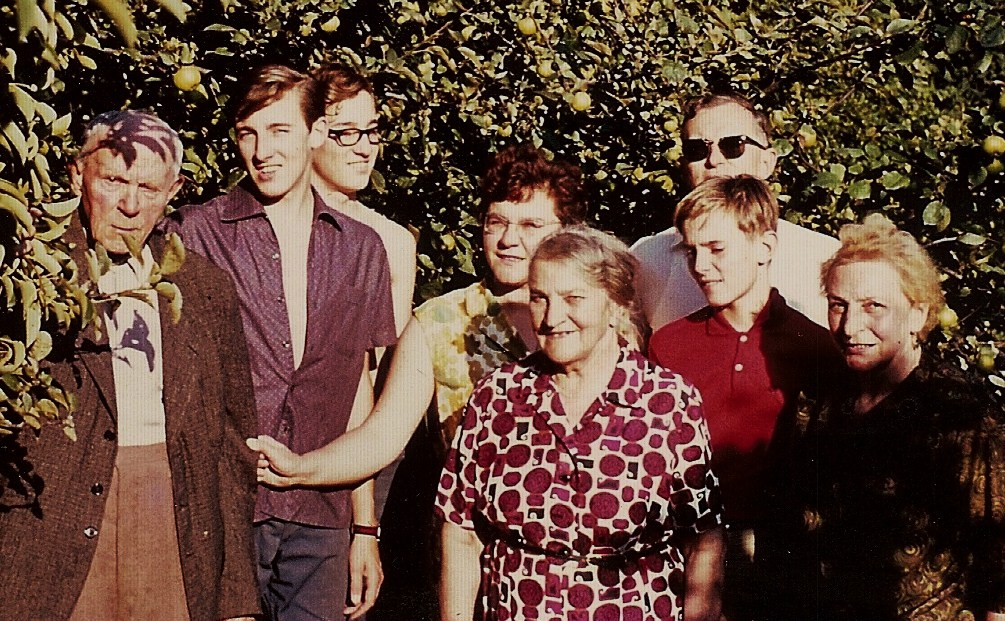
Jan, Michael, Chris Horak, Libuše Horaková, Božena Horaková, Jerome V. and Peter Horak, Mila Kohoutková, 1966

In October  1945, my aunt Milady Kohoutková received a Czechoslovak War Cross for her and her husband’s resistance, and Gen. Kohoutek was promoted posthumously by President Edvard Beneš to Brigadier General. The Communist Putsch in March 1948, suppressed the history of Obrana Národa in favor of the myth of an all-Communist resistance to the Nazis. And, in the aftermath of my father’s indictment and sentencing to imprisonment in absentia for treason in 1952, Mila Kohoutková was thrown into prison for five years by the Communist government. When I met her in 1965, she still lived in the same house at Pod Krocinkou, next door to my grandparents, all now united in the family crypt.
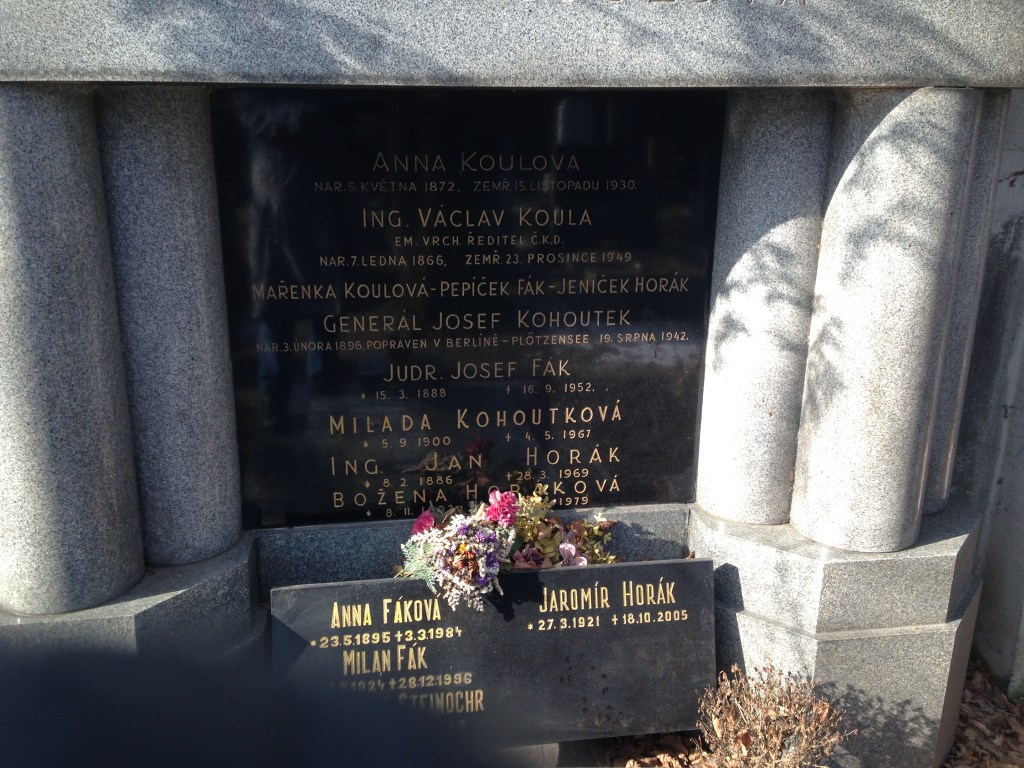
Koula-Horak Family Crypt,PragueProsek

295: SFSFF

Archival Spaces 295

San Francisco Silent Film Festival

Uploaded 13 May 2022

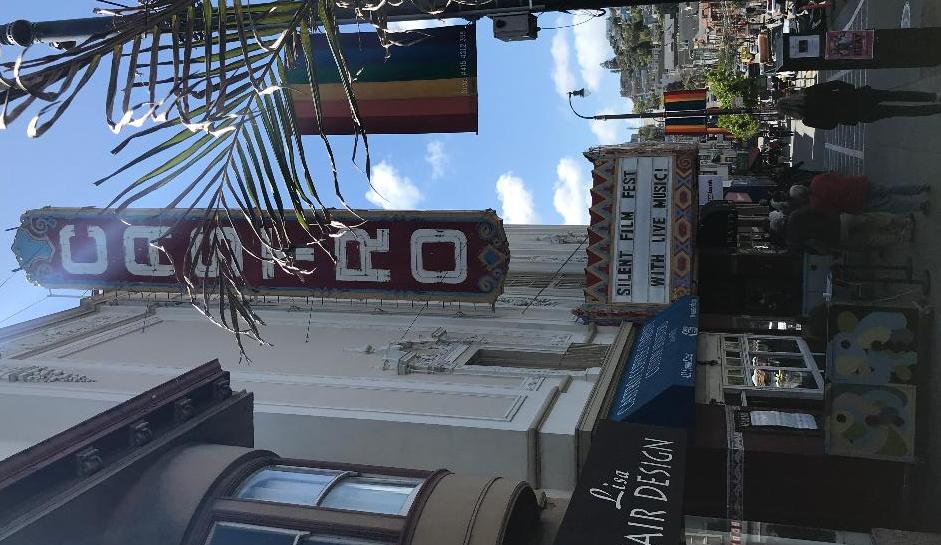
The San Francisco Silent Film Festival celebrated its 25th Anniversary, 5-11 May 2022, and its first live iteration since before the pandemic in 2019. It may also be the last SFSFF at the storied Castro Theater, which the owners -rumor has it – are converting to a concert venue sans seating. In any case, festival directors Anita Monga and Stacey Wisnia put together a stellar program with revelations at every turn. Due to teaching commitments, I missed several days but what follows are some of the highlights for me.

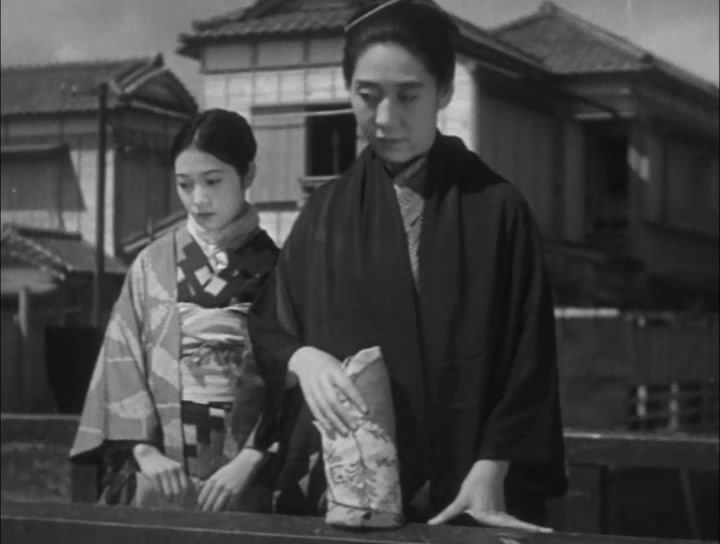
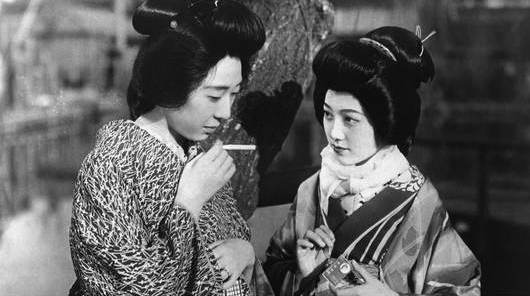
Apart From You (1933, Mikio Naruse)

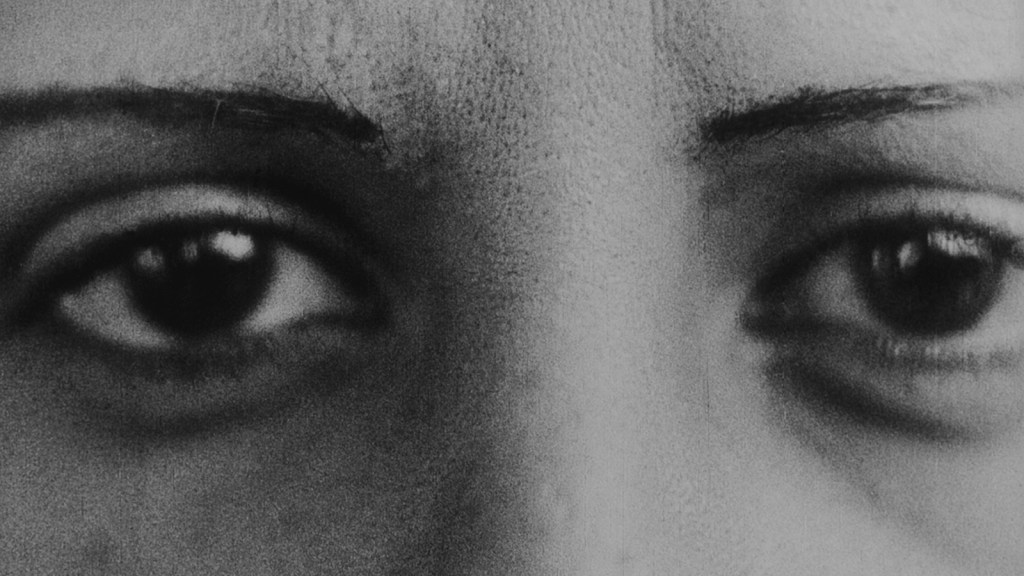
I was bowled over by Mikio Naruse’s 1933 masterpiece, Apart From You, a late silent, shown in a 35mm print from the National Film Archive of Japan. The film follows the fates of two geishas, one aging, the other young, both unhappy in their oldest profession, but trapped because they are supporting families. Terugiku falls in love with Kikue’s son, Yoshio, attempting to keep him from a life of crime, but the couple nevertheless part ways at film’s end because their familial commitments trump personal happiness. There are no big dramatic moments, just the women’s emotional struggle, expressed in intense close-ups, for example, when Kikue’s regular customer leaves her for a younger woman, or when Terugiku realizes her drunkard father wants to sell her younger sister, forcing her to continue working to feed her family.

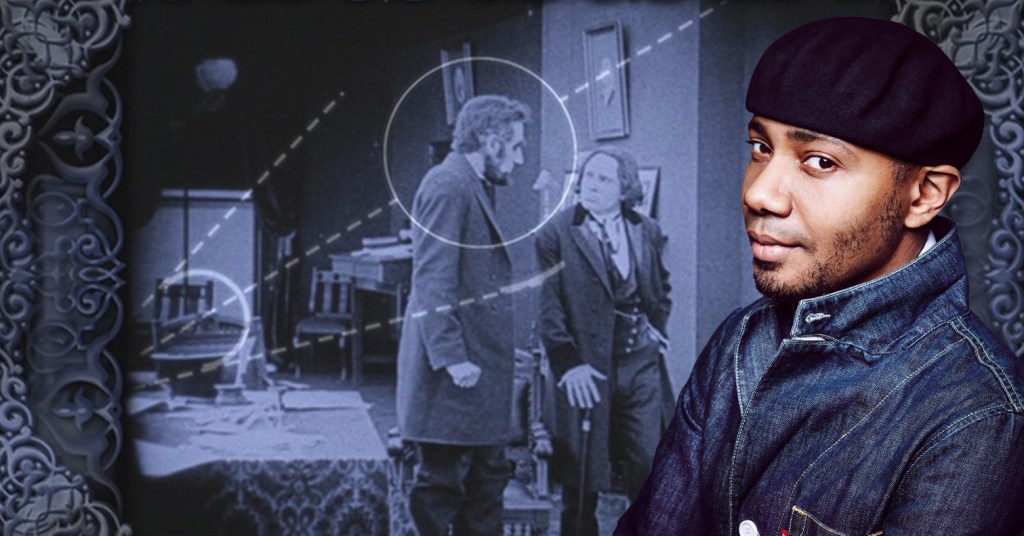
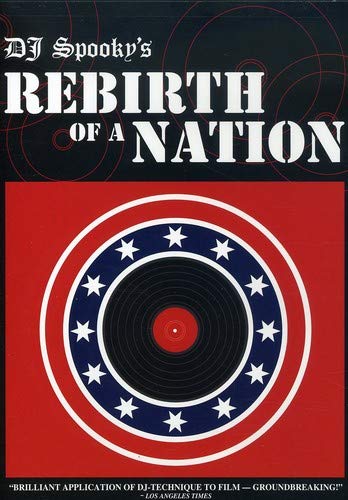
DJ Spooky and The Rebirth of a Nation

Saturday evening, DJ Spooky presented his The Rebirth of a Nation Remix, a program he has been performing since 2005, but shown here with a modern score by Classical Revolution and Guenther Buchwald. Cut down from its ostensibly three-hour version to 70 minutes, DJ Spooky focuses on intimate scenes of the Caucasian Cameron and Stoneman families, juxtaposed with epic scenes of war and conflict. While Spooky and critic Wesley Morris discussed the project’s attempt at Brechtian distancing effects, I was surprised that the film still held its toxic power, in particular in the KKK “rides again” finale, despite digital manipulation. But the cut-down also made manifest the film’s racist core, its (and Griffith’s) obsession with miscegenation as the root of all evil.

Arrest Warrant (1926, Griorgi Tasin)

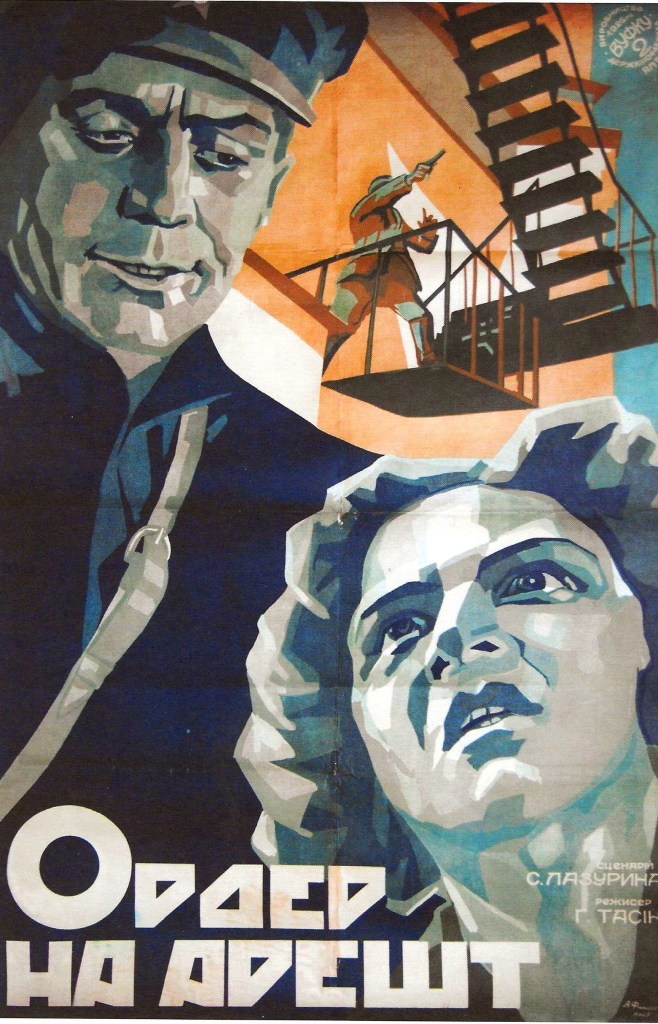
Sunday’s discovery was the Ukrainian film, Arrest Warrant (1926, Heorhii Tasin), which not only eschewed the reigning Soviet aesthetic of montage and its anti-psychological treatment of actors but also presents an extremely ambiguous view of the Russian Civil War of 1918-20. The second of four films that Tasin directed for VUFKU before Stalin destroyed the Ukrainian company (see Archival Spaces 294), Arrest Warrant’s heroine, Nadya, is the lover of a Red Army Commissar. He asks her to hide important documents when the town is overrun by the White Army. She is psychologically tortured by her White Russian captors, aided by her ex-husband who is conspiring to take away their mutual child. The Bolsheviks don’t come off well either: when the Reds return, her lover believes without evidence that she has betrayed the cause, the woman a victim of patriarchy on all sides. Tasin’s film is constructed through continuity editing rather than dialectic montage, his use of chiaroscuro lighting and dream sequences – as the woman falls into delirium– is heavily influenced by GermanExpressionism, unlike anything else in 1920s Soviet cinema.

Sylvester (1923, Lupu Pick)
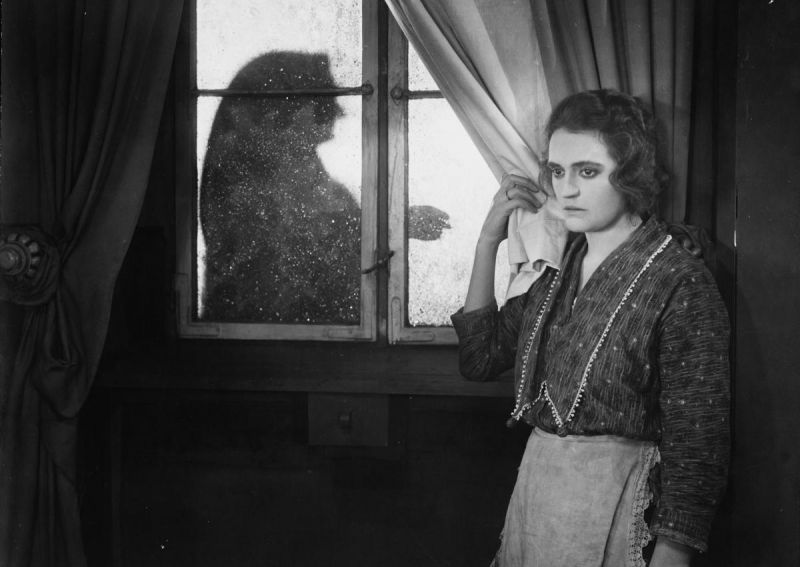
Eugen Kloepfer in Sylvester

Sunday’s other revelation was Sylvester (1923, Lupu Pick), which was previously a more or less lost film since the only known nitrate print was inaccessible for decades. The Deutsche Kinemathek Berlin beautifully reconstructed the film with its original score by Klaus Pringsheim; in fact, the score was a guide for the new edit. Scripted by Carl Mayer without subtitles, the film is identified by Lotte Eisner as an expressionist Kammerspiel, but, like Mayer’s next film, The Last Laugh (1924), [and G.W. Pabst’s The Joyless Street (1925)], Sylvester includes expressionist and new realist elements. Pick continually cuts between realistically shot public street scenes of drunken New Year’s Eve revelers of all classes with the intimate emotional struggle of a wife and mother-in-law for the affection of the husband-son, all punctuated by images of the eternal sea, reminding us of nature’s absence. It is in Eugen Klöpfer’s oversized, lumbering but essentially static body, paralyzed in the face of demands by the two women in his life, that we recognize Eisner’s definition of expressionist acting.

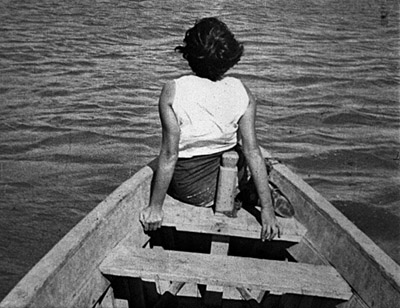
Limite(1931, Mário Peixote) is a Brazilian avant-garde film I have been chasing for at least 40 years available since its restoration in 2010. The two-hour-plus film, financed and directed by a wealthy Brazilian amateur, includes only snippets of narrative: two women and a man adrift on an endless sea, a confrontation between two men in a cemetery, a man and a woman foot-bathing, etc. Its construction of images of nature – while eschewing images of modernity – could be from a structuralist film from the 1960s (as could the minimalist electronic score by Matti Bye Ensemble),  but also reminds me in its extreme subjectivity of Henwar Rodakiewicz’s Portrait of an Artist as a Young Man (1931), and of the existential dilemma in the isolation of its human subjects. We are caught in an endless dream between consciousness and sleep, life and death.

Dans la nuit (1930, Marcel Vandel)
Dans la nuit (1930, Marcel Vanel)

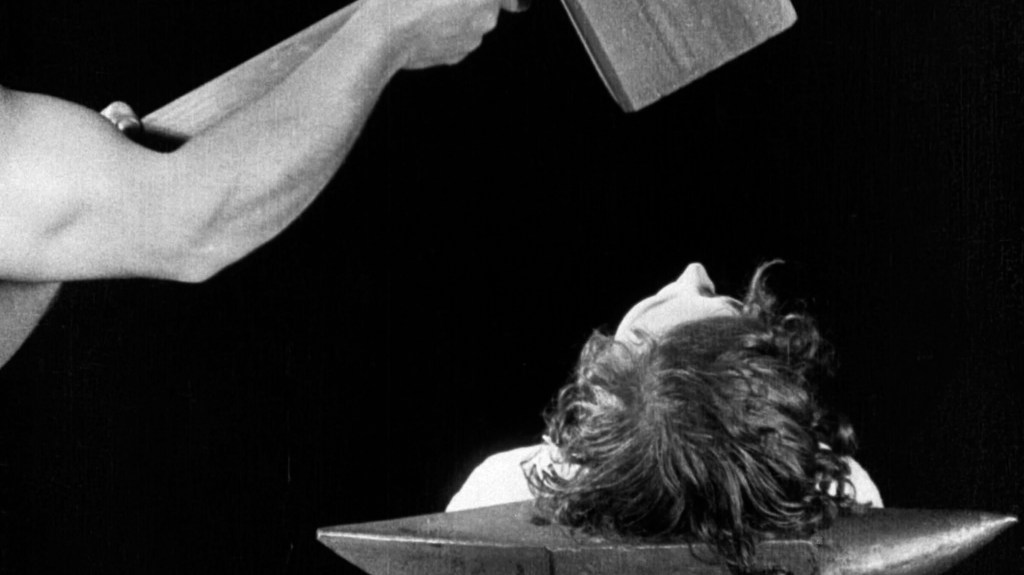
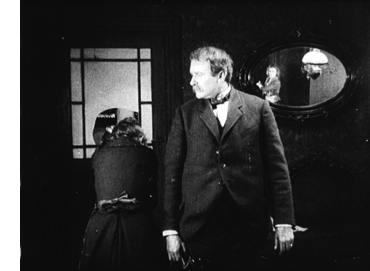
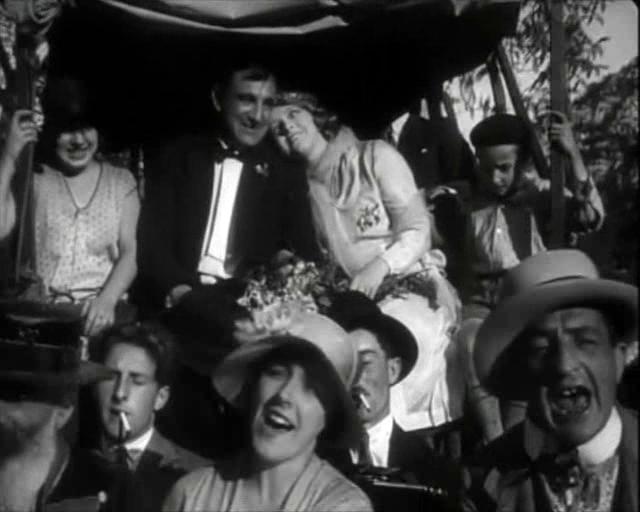
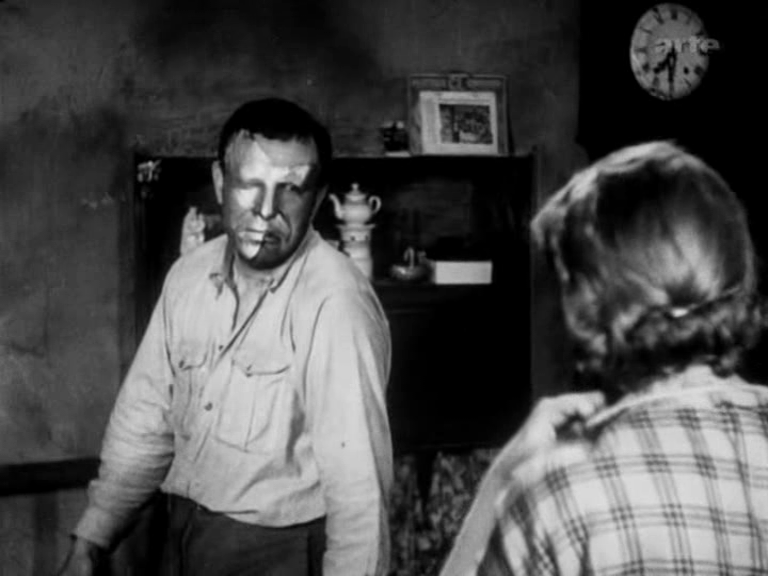
Another wonderful discovery was Dans la nuit (1930, Charles Vanel), independently produced and possibly the last French silent film to be released before the talkies arrived. Shot on location in northern France, near Vanel’s childhood home, the film’s first half presents a bucolic paradise of happy quarry workers and a manic country wedding, all sweetness and light. But just as many early images are bifurcated between light and dark, e.g. the taking of the wedding portrait, the film morphs into a nightmare when the young husband is mutilated in a quarry accident and loses the affection of his wife. Ten years after World War I, Vanel analogizes the trauma of France’s war wounded, his hero wearing a mask to hide his disfigured face, a trope future horror films would repeatedly utilize.

So many good films, so little time but I have to mention all the truly wonderful musical accompaniments not named above: Frank Bockius, Timothy Brock, Philip Carli, Clubfoot Hindustani with Pandit Krishna Bhatt, Stephen Horne, Sasha Jacobsen Quintett,  Monte Alto Orchestra, Donald Sosin, and the professional debut of William Lewis. Their inventive live performances added a whole other dimension beyond music and sound.

Philip Carli
Guenter Buchwald, Frank Bockius
Stephen Horne
Donals Sosin

294: Kyiv Film Archive in War

Archival Spaces 294

Ukrainian Film Archives in Peril

Uploaded 29 April 2022

Subway Refuge in Kyiv, March 2022

When the Giornate del cinema muto got its start in 1982 in Gemona, Italy, it was partially in response to a devastating earthquake that had rocked the area of Friuli in 1976, leaving its residents shell-shocked. I was reminded of that fact when recently reading about the Aleksandr Dovzhenko Center, the Ukrainian Film Archive, which has been organizing screenings in the subways of Kyiv and Kharkiv to cheer up shell-shocked residents.  According to several published reports, curators from the archive have been projecting Ukrainian silent animated and live-action comedy shorts, like Grandma’s Gift  (1920s), the silent feature, Adventures of Half a Rubel (1929, Aksel Lundin), as well as recently produced comedy features, like The Best Weekend (2022, Vladyslav Klimchuk) and Star Exchange (2021, Oleksiy Daruha).  As Maria Glazunova from the Dovzhenko Center noted on the Ukrainian website, Real Cinema, “These shows in the subway… help us survive in these difficult times.”

Aleksander Dovzhenko Center
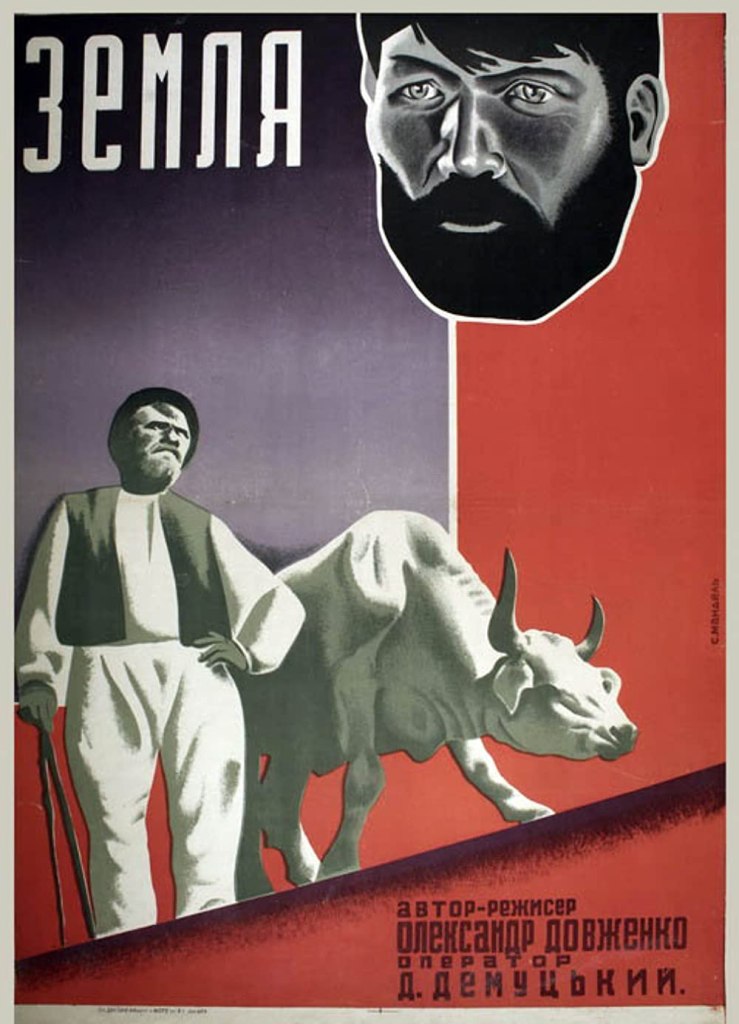
Earth (1930, Aleksander Dovzhenko)

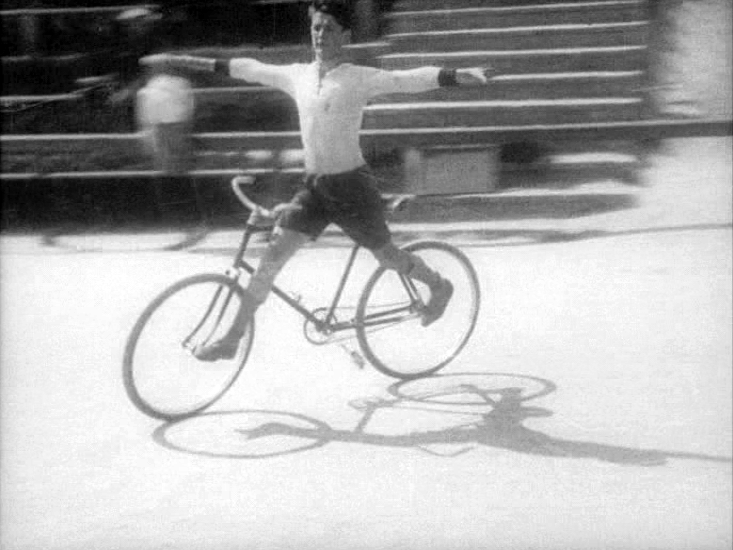
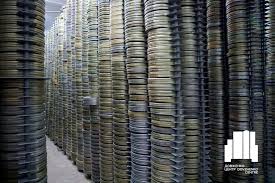
Named after Aleksandr Dovzhenko, the pioneering Soviet-Ukrainian film director of Arsenal (1929) and Earth (1930), the Aleksandr Dovzhenko Center was founded in Kyiv in 1994 on the site of the country’s largest film laboratory, taking over responsibility for Ukraine’s moving image preservation from Gosfilmofond, the Soviet/Russian film archives. According to the Archive’s website (https://dovzhenkocentre.org/en/about/), the Center houses more than 7,000 feature films, documentaries, Ukrainian and foreign animated films, and thousands of archival records from the history of Ukrainian cinema. The Archive now maintains modern climate-controlled film vaults, the only surviving film laboratory in Ukraine, a Cinema Museum, a non-film archive, a multimedia library, and a publishing department. Its mandate, like that of many archives in the Federation Internationale des Archivs du Film (FIAF), which it joined in 2003, is to promote, research, and distribute Ukraine’s national film legacy at home and abroad. Since 2013, the Center has been distributing films abroad and recently made In Spring (1929, Mikhail Kaufmann), an avant-garde documentary by Dziga Vertov’s brother, available to George Eastman Museum, which organized a benefit screening for victims of the Ukrainian war.

In Spring (1929, Mikhail Kaufmann)
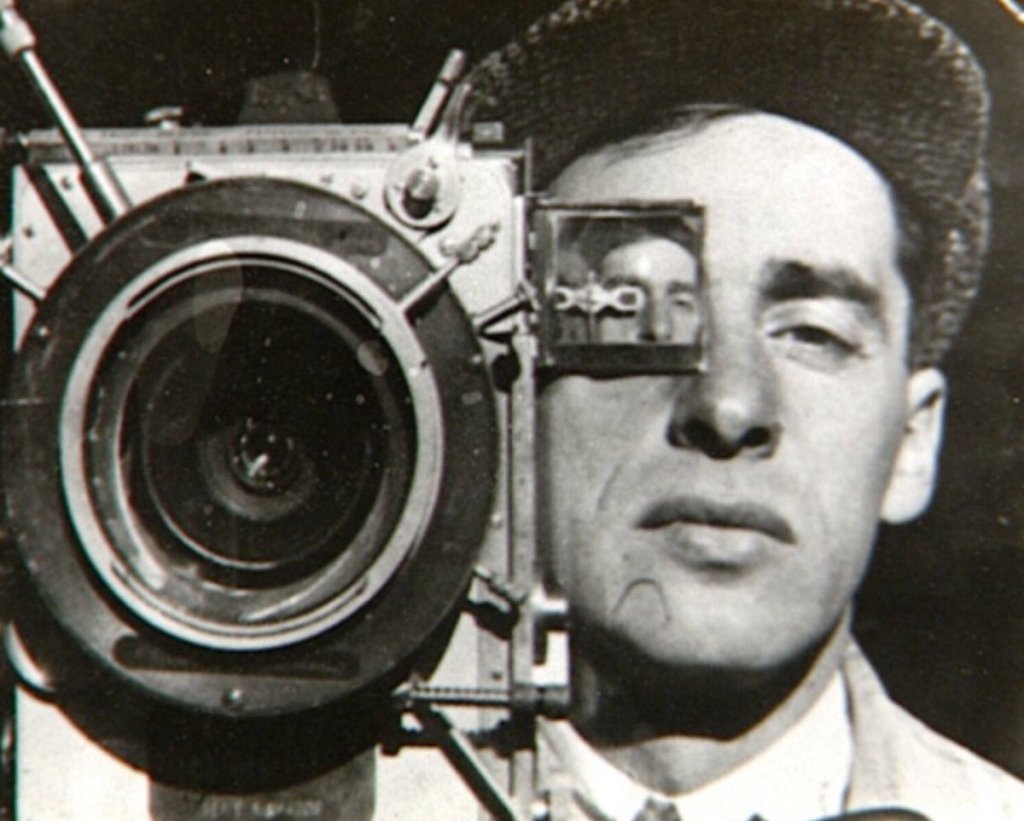
The Man With the Movie Camera (1929, Dziga Vertov)

Ukraine has of course had a rich history of cinema. Mikhail Kaufmann shot Vertov’s avant-garde masterpiece, The Man with the Movie Camera (1929), in Kyiv, Kharkiv, and Odesa, as well as several other documentaries.  The films were produced by VUFKU, the All-Ukrainian Photo Cinema Administration  (Всеукраїнське фото кіноуправління), which had been founded in 1922, but was closed down on orders of Stalin in 1930, its infrastructure becoming part of “Ukrainafilm” the Soviet owned Ukrainian Cinema Industry Trust. Other important directors of this period of Ukrainian national cinema included Petr Chardynin, Vladimir Gardin, Favst Lopatynsky, Marko Tereshchenko, and Ivan Kavaleridze.  According to Olena Goncharuk, the director of the Dovzhenko Center, many of the studio’s leading figures were imprisoned or executed (Lopatynsky) as Stalin suppressed the Ukrainian national revival. Kavaleridze and Dovzhenko were censored as Ukrainian nationalists, and Dovzhenko was forced to move to Moscow, basically in exile for the rest of his life. Until the death of Stalin in 1953, only a handful of Ukrainian language features were produced, but a new generation of Ukrainian directors then arose, including Leonid Bykov, Viktor Ivchenko, Yuro Illenko, Mikhail Vartanov (who I hosted at George Eastman Museum in the 1990s), Leonid Osyka, and Mykhailo Ilienko. However, the most famous Ukrainian film before the country regained its independence in 1991 was Sergei Parajanov’s Shadow of Our Forgotten Ancestors (1964).

The Guide (2014, Oles Sanin)

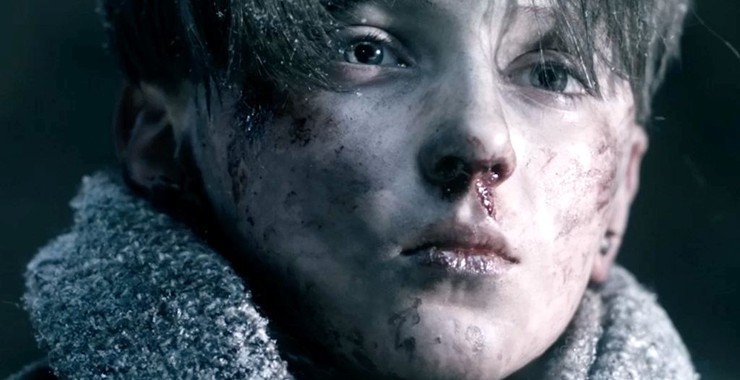
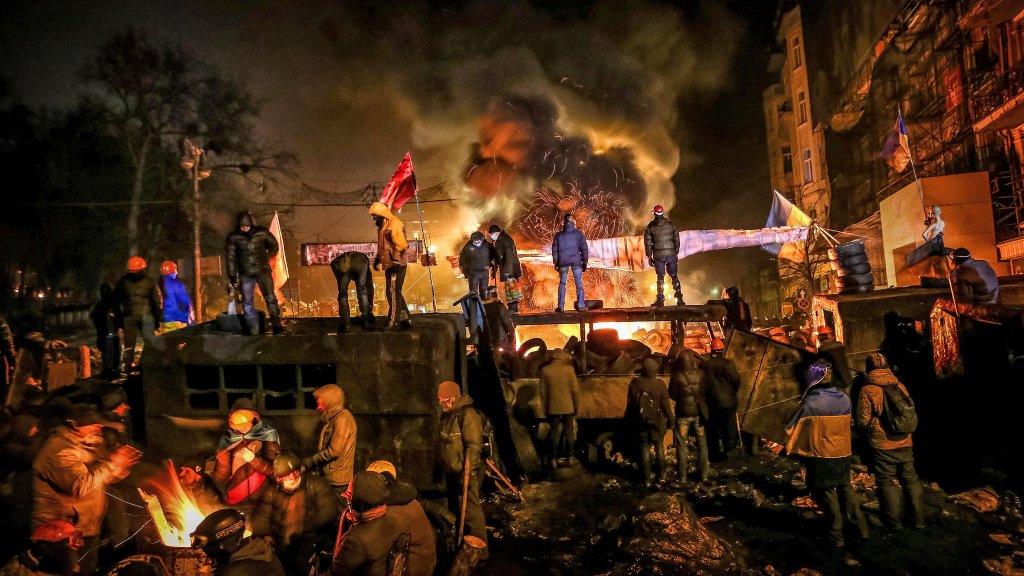
In the 2000s, Ukrainian films have gained increasing international attention, including Firecrosser (2011, Mikhail Ilenko), Such Beautiful People (2013, Dmytro Moyseyev), The Guide (2014, Oles Sanin), Julia Blue (2018, Roxy Toporowych), and the Academy Award-nominated Netflix documentary, Winter on Fire: Ukraine’s Fight For Freedom (2015, Evgeny Afineevsky).  

Until the founding of the Dovzhenko Center, Ukrainian film history was housed in Moscow. As Goncharuk noted: “All the films that were shot in Ukraine or with the participation of Ukrainian directors were moved to Russia to the Gosfilmofond archive.” Until the Ukrainian “Maidan Uprising” in 2013-14, removing Putin’s puppet from power, Gosfilmofond and the Dovzhenko were cooperating on the restitution of Ukrainian films to Kyiv, especially the films of Vertov and Kaufmann. However, communication between the organizations then stopped.

Dovzhenko Center Film Vaults
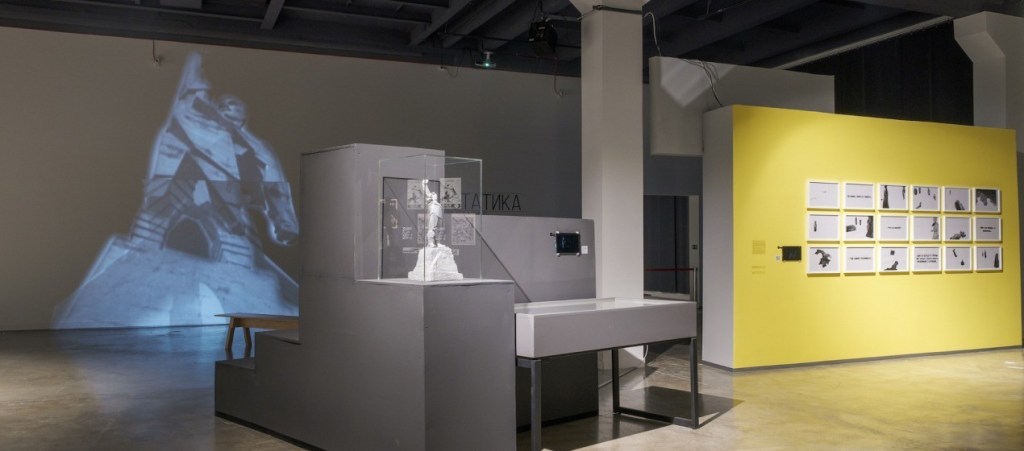
Aleksander Dovzhenko Film Center Exhibition Space

The war has had a devastating effect on the Dovzhenko Center. While a skeletal staff has been trying to protect the archive and organize film screenings at home and abroad, many of the Center’s curators and archivists have dispersed across Europe among the four million-plus Ukrainians who have been forced from their homes. As Goncharuk notes, a big part of the team, works distantly, including lawyers, the finance department, and researchers. One can only hope that the indiscriminate Russian bombing of civilian targets will spare Ukraine’s film history.

Winter on Fire: Ukraine’s Fight for Freedom (2015, Evgeny Afineevsky)

293: Austria on Hollywood’s Screens

Archival Spaces 293:

Austria Made in Hollywood

Uploaded 15 April 2022

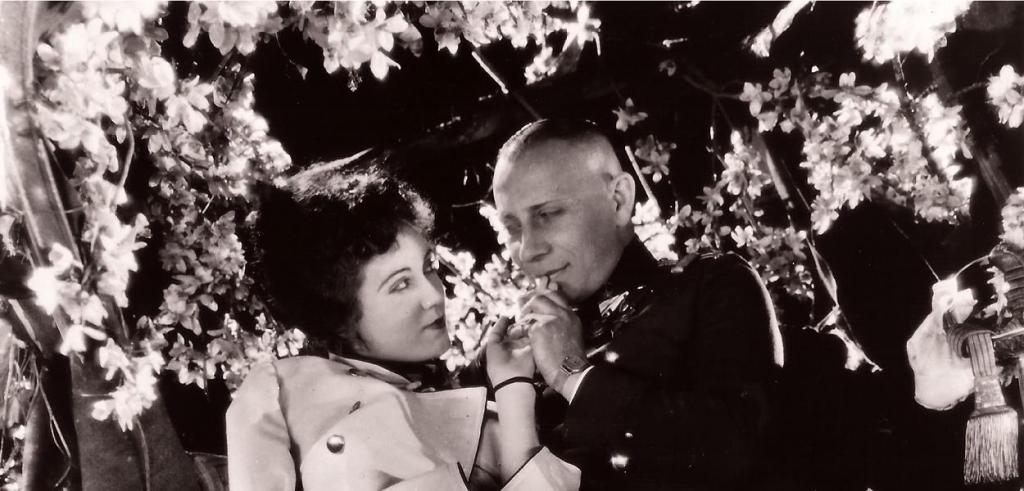
Fay Wray and Erich von Stroheim in The Wedding March (1928, Erich von Stroheim)

Back in December, I reported on the Academy Film Museum Symposium “Vienna in Hollywood. The Influence and Impact of Austrians on the Hollywood Film Industry 1920s – 2020s.” Now, I have finally caught up with an excellent book that focuses less on Austrians in Hollywood and more on the image of Austria and Austrians in Hollywood cinema: Jacqueline Vansant’s  Austria Made in Hollywood (Rochester, N.Y.: Camden House, 2019). A professor of German at the University of Michigan-Dearborn, Vansant presents close analyses of fourteen out of ca. fifty films with Austrian settings, produced during the classical Hollywood period from the 1920s to the 1960s, noting that Austrian characteristics and stereotypes in these films were filtered through American perceptions and contexts, rather than the historical realities in Austria.  And like the checkered history of that country, American views of Austria have vacillated between positive, often nostalgically tinged images as a happy multi-ethnic empire of benevolent rulers and “sweet young things” and negative images, based on its decadent, even promiscuous, anti-democratic legacy.    

While images of the Austro-Hungarian Empire, appeared occasionally in American cinema prior to the mid-1920s, Vansant rightly points out that it was the man you love to hate, Erich von Stroheim who most lastingly influenced Hollywood’s Austria. In his two Viennese films, Merry-Go-Round (1923) and The Wedding March (1928), von Stroheim, critiques Austria under Emperor Franz Josef I as a decadent, anti-democratic society with a rigid class structure, while at the same time expressing an intense nostalgia for the pomp and circumstance of Austrian nobility. Unlike most biographers of von Stroheim, who have focused on von Stroheim’s wholly fictional biography as an Imperial military officer when he in fact was born an Austrian Jew and social outsider, Vansant analyses how the director employed contemporary American perceptions of Austria to develop moralistic narratives about the hedonism of the ruling class, thereby drawing parallels to America’s roaring twenties, while also nostalgically fetishizing aristocratic etiquette.

Evenings for Sale (1932, Edwin Marin)
Bing Crosby in The Emp[eror Waltz

In the following chapter, Vansant looks at four Paramount comedies: Evenings for Sale (1932, Stuart Walker), Champagne Waltz (1937. A. Edward Sutherland), Billy Wilder’s The Emperor Waltz (1948), and Michael Curtiz’s A Breath of Scandal (1960). The first two films were situated in a post-World War I republican Vienna, untouched by economic hardship and political instability. Evenings for Sale features an impoverished but amoral aristocracy looking for financial support from American merry widows on European junkets and comes down on the side of American Puritanism, while Champagne Waltz pits Austria’s high culture (opera) against American low culture (jazz) in its central romance, its robust American male rescuing an old-world female and bringing her to New York. The Wilder and Curtiz films, on the other hand, imply that the Austro-Hungarian Empire was both racist and anti-democratic, in contrast to the down-home simplicity and moral strength of their American heroes.

The Great Waltz (1938, Julien Duvivier)

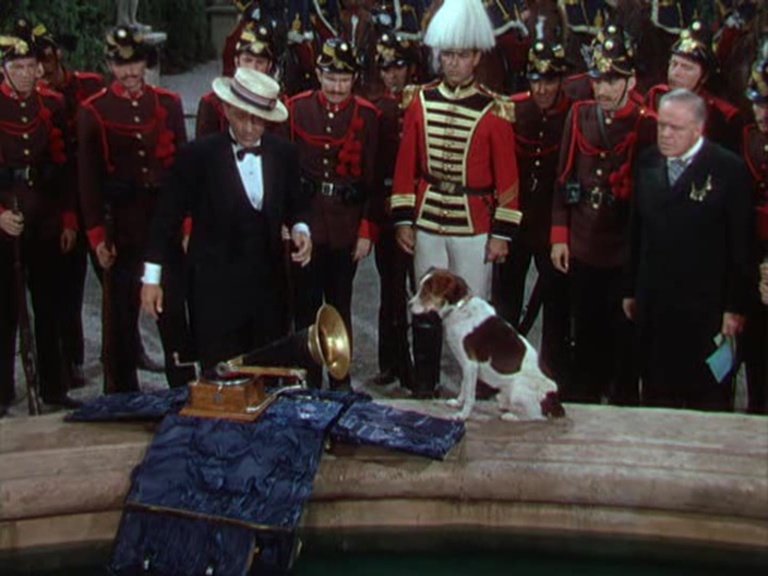
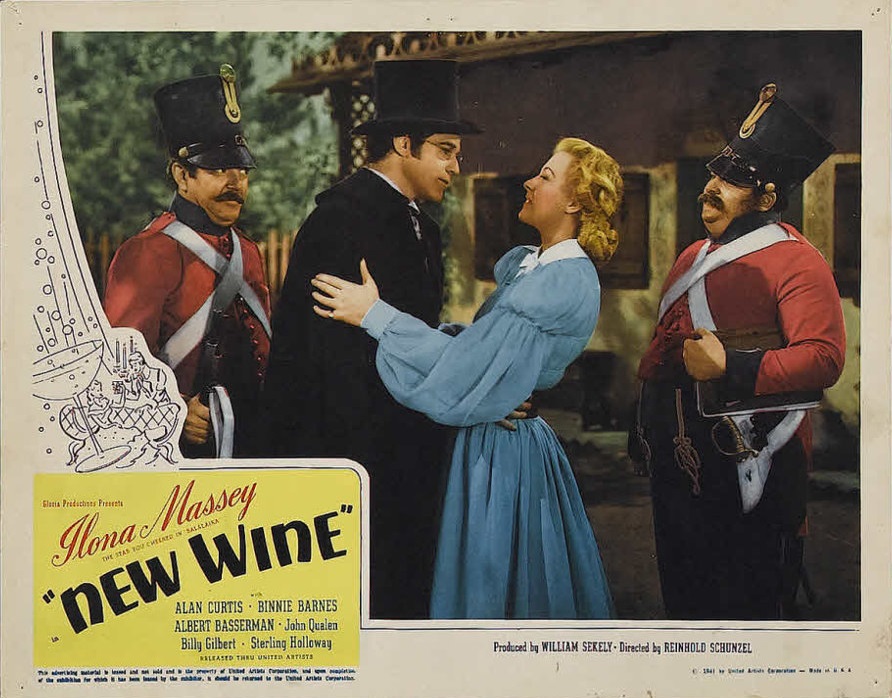
In the wake of the so-called Anschluß which unified Nazi Germany and Austria, several Hollywood films tried to construct metaphorically an Austrian identity – separate from Germany – through music and equestrian sport. In The Great Waltz (1938, Julien Duvivier), Franz Josef and Johann Strauss meet after the 1948 revolution to articulate their love for Austria, while the Franz Schubert bio-pic, New Wine (1941, Reinhold Schünzel), emphasizes the Austrian roots of the composer while drawing parallels between the repressive Austria of the 1820s, and the New Order of 1938. Finally, Florian (1940, Edwin L. Marin) utilizes its story of a royal Lipizzaner horse and its human companions before and after World War I to explain to Americans the plight of Austrian refugees after the Anschluß.

Erich von Stroheim in So Ends Our Night (1941, John Cromwell)

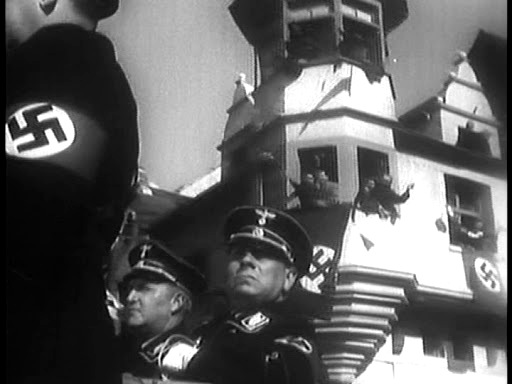
The demise of Austria in March 1938 was directly visualized in three Hollywood films. While So Ends Our Night (1941, John Cromwell) and They Dare Not Love (1941, James Whale) take diametrically opposed views on Austria’s guilt or innocence in supporting Adolf Hitler, Once Upon a Honeymoon (1943, Leo McCarey) is more ambivalent, even as it cautions Americans about the dangers of Nazism. Based on Erich Maria Remarque’s novel, Flotsam, So Ends Our Night uses newsreel footage to visualize Austrians enthusiastically cheering Adolf Hitler’s entrance into Vienna to tell its story of Jewish refugees harried across the map of Europe as the Nazi war machine marches on. Strangely, They Dare Not Love also utilizes newsreels, indeed takes its cue from The March of Time’s “Nazi Conquest No. 1” to argue bizarrely for Austrian’s victimhood and the restoration of an Austrian monarchy. Finally, Honeymoon has a democratically-minded American journalist trying to woo a naïve American golddigger who is planning to marry an Austrian aristocrat and secret Nazi, just as Americans in general needed to be convinced that German fascism was dangerous.

Julie Andrews in The Sound of Music (1965, Robert Wise)
The Cardinal (1963, Otto Preminger)

The dichotomy between Austria as an innocent victim of the Nazis and an enthusiastic Fascist collaborator also characterized two Hollywood wide-screen extravaganzas of the 1960s: Robert Wise’s The Sound of Music (1965) and Otto Preminger’s The Cardinal (1963). While the popular musical avoided all discussion of politics, except to create a dramatic raison d’etre for the von Trapp family’s Technicolor flight over the Alps, the fictional biography of an American church leader clearly accused Austrian Cardinal Theodor Innitzer of supporting and sympathizing with the Nazis.

Common to Hollywood’s version of post-Imperial Austria, as Vansant notes about The Sound of Music, is that “there is no mention of political dissent, no civil strife, and no Austro-Fascist government.” (p. 124) Like most of Hollywood’s costume films playing on foreign soil, films about Austria often revealed more about America’s collective fantasies than about the German-speaking nation along the Danube.       

Reginald Owen as Emperor Franz Josef I and HelenGilbert in Florian (1940, Edwin L. Marin)