Arrchival Spaces 346
G.W. Pabst rewritten: Daniel Kehlmann’s novel, Lichtspiel
Uploaded 3 May 2024
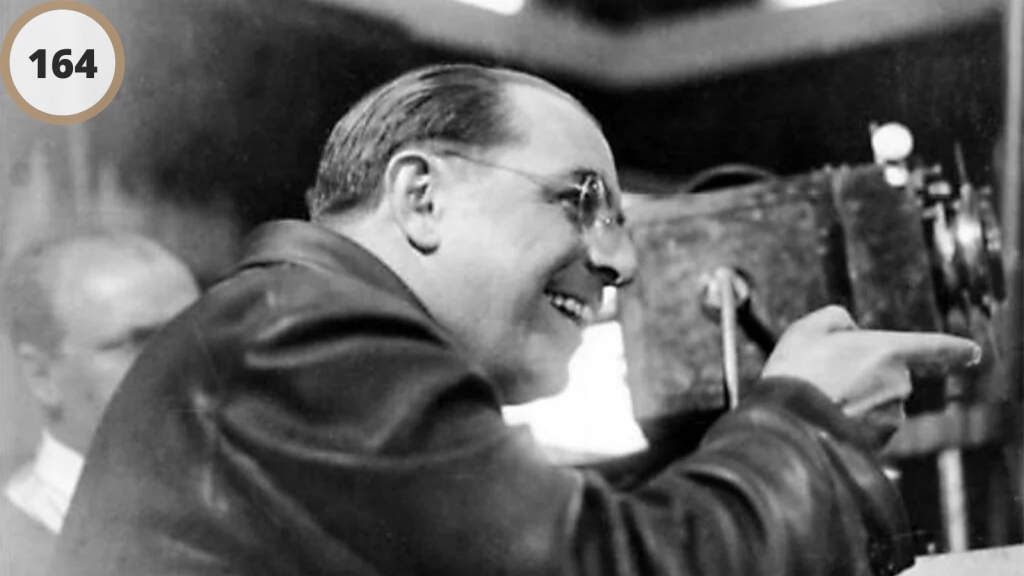
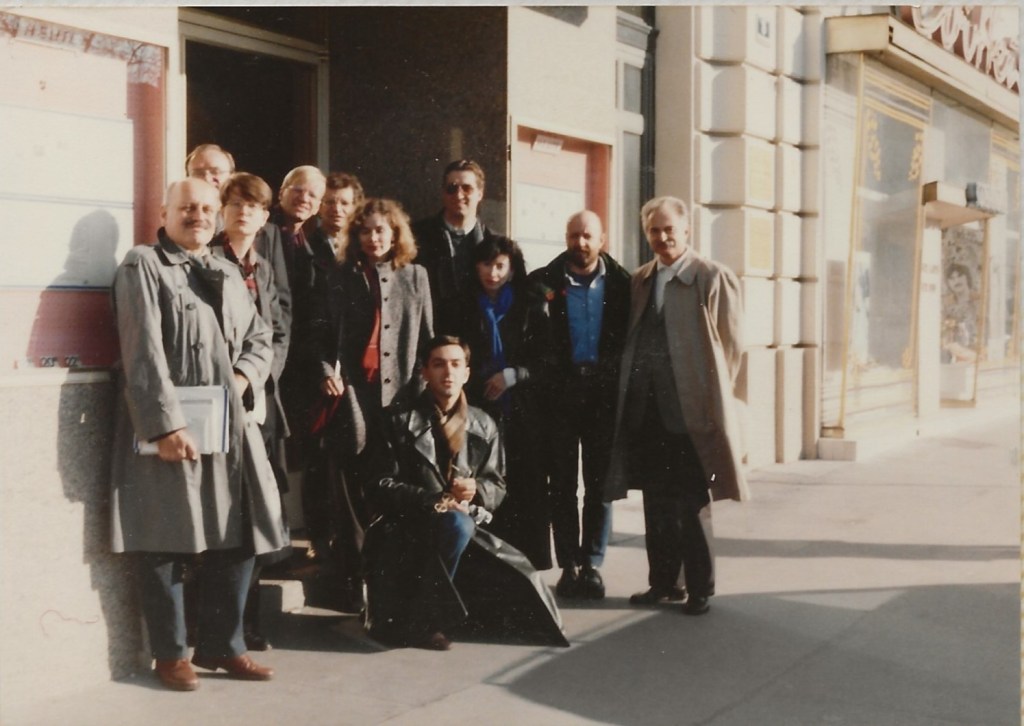
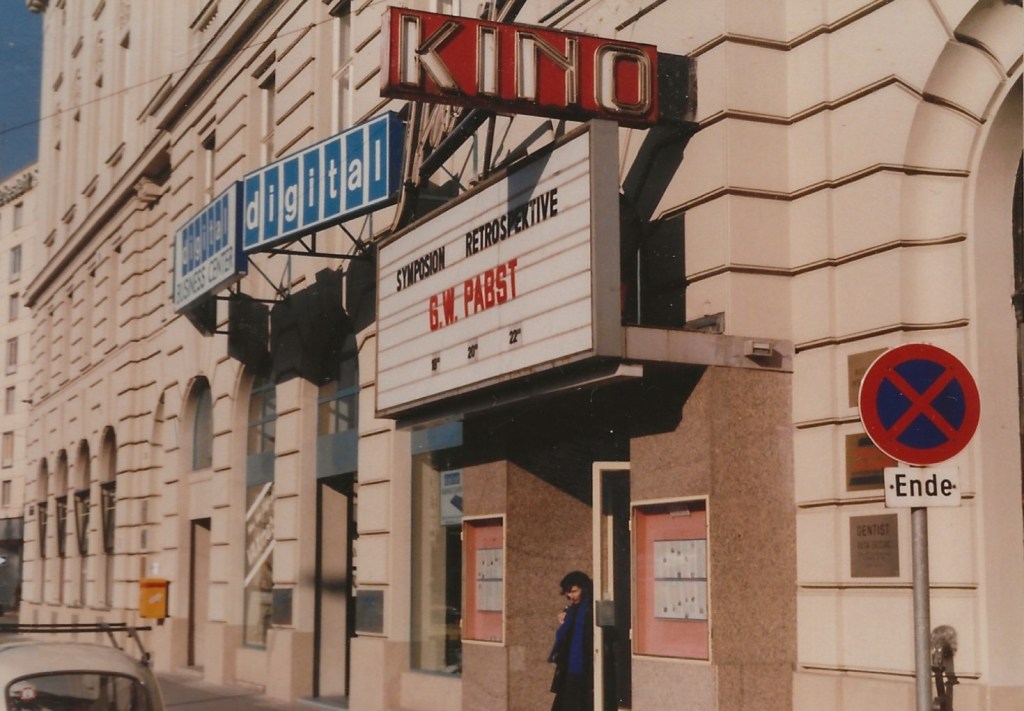
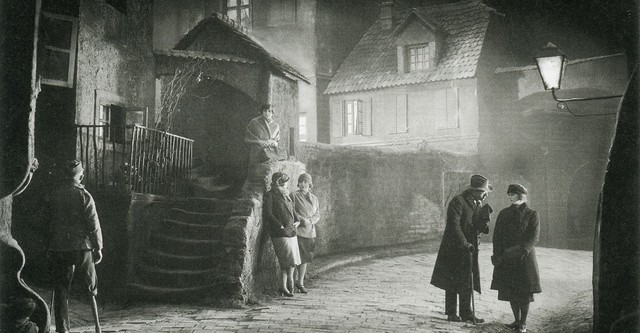
Film historians consider G.W. Pabst one of the three most accomplished German film directors of the first half of the 20th century. One of my first grad student papers concerned G.W. Pabst’s Three Penny Opera (1931), written for George Bluestone’s seminar at B.U. later published in Jump Cut. Years later, I participated in a 1986 conference in Vienna, celebrating Pabst’s 100th birthday, resulting in an article on A Modern Hero (1934), published in Eric Rentschler’s subsequent anthology. The Films of G.W. Pabst rehabilitated Pabst’s career, which had suffered immensely because of his decision to return to Nazi Germany after exile in France and Hollywood to make films for Goebbel’s Propaganda Ministry. Another decade passed before I guided the first complete restoration of Pabst’s masterpiece, The Joyless Street (1925) at the Munich Filmmuseum, which had previously only been available in heavily censored versions. So, I was excited to read Daniel Kehlmann’s new biographical novel about Georg Wilhelm Pabst, Lichtspiel. Published late last year in Germany, the novel, while generally well-reviewed, has been at the center of controversy, for its misrepresentations of Pabst’s history.

In fact, the novel – treated by most literary critics as a semi-factual biography – has little in common with Pabst’s actual life, other than dropping a few famous names, like Fritz Lang, Louise Brooks, Fred Zinnemann, Henny Porten, Werner Krauss, and further Pabst film titles, including his three Nazi films, The Comedians (1941), Paracelsus (1943), and The Molander Case (unfinished). To enumerate the constant historical inaccuracies, e.g. the Metropolis premiere (3/1927) is placed two weeks after The White Hell of Piz Palü (11/1930), seems as silly as correcting a Hollywood biopic. Veracity to Pabst’s life is not a criterion. Kehlmann’s goal lies elsewhere, namely to present Pabst’s trajectory as a metaphor for the history of German cinema from its artistic heights in Weimar to its fatal compromises under Nazism to its utter mediocrity in the early Federal Republic, before rising again with New German Cinema. It is a master narrative that though potent has been largely reconceptualized by the last two generations of film historians, who understand German cinema as conflicts between art and genre, politics, and the avoidance of reality.

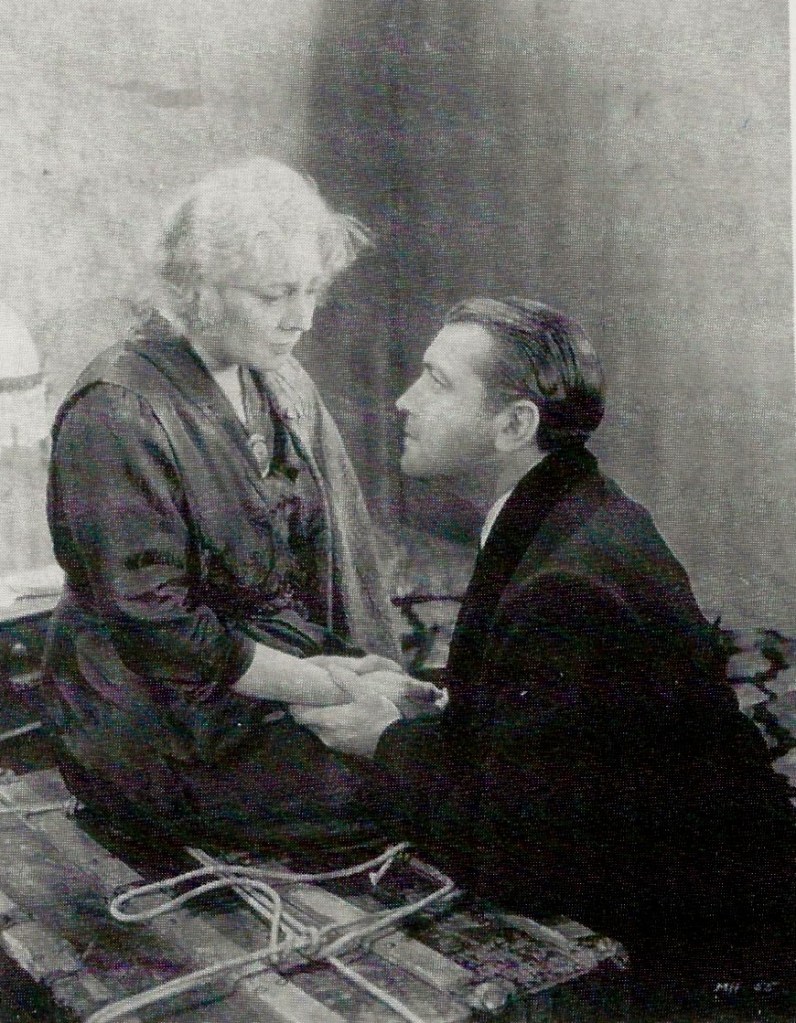
Lichtspiel translates as light play, but also as cinema or film, which is a key to Kehlmann’s narrative method, juxtaposing spatially and temporally fragmented scenes with rapid changes in perspective, moving from semi-realism to surrealism, to slapstick satire. Kehlmann traffics less in psychologically developed characters than in stereotypes and outright caricatures, e.g. the Hollywood chapters are reduced to a studio hack named Jake repeatedly telling Pabst over the latter’s objections what a wonderful film A Modern Hero will be, while Pabst obsessively pushes for a film about a world war breaking out on an ocean liner. In point of fact, the war script was written for Paramount after Pabst left Warners before Hero failed at the box office because it was exactly the film Pabst wanted to make: dark, psychologically perverse, anti-capitalist, nowhere near the Horatio Alger myth Warner Bros. ordered.

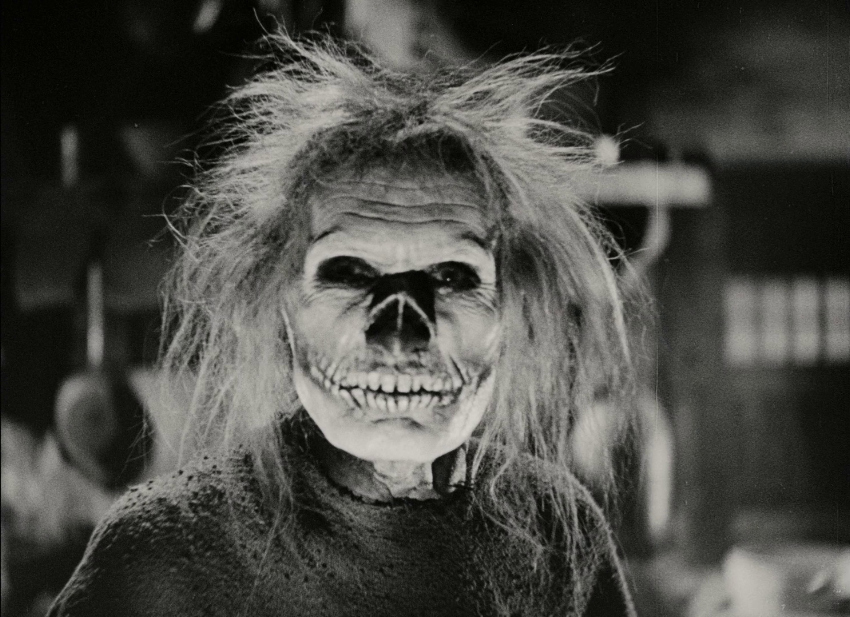
Once Pabst returns to Austria, ostensibly to say goodbye to his mother, Kehlmann’s narrative turns darker, a horror show of Swiftian proportions. There is the Nazi janitor in Pabst’s castle “Three Towers” who literally banishes the Pabst family to the basement, Pabst’s son, Jakob, becomes an ardent Hitler Youth whose violent bullying marks him for Nazi leadership, Trude Pabst’s forced attendance at Henny Porten’s literary circle which discusses the worst Nazi trash as uplifting literature, a sinister and threatening encounter in the palatial office of Goebbels, and an arrogant, self-centered, utterly talentless Leni Riefenstahl directing herself in Tiefland, while making use of Sinti and Roma as extras, hauled from a local KZ then shipping them to their deaths. While Pabst attempts to maintain his dignity throughout, convincing himself that his films are aesthetically credible, thus outwitting Goebbels’ UFA, Kehlmann eventually gives us a film auteur completely broken by his experience of exile, his compromises under German fascism, and his regrets about family choices, rendering him virtually catatonic by the end of the novel. In reality, Pabst directed 10 films in the post-war era, none achieving the status of his Weimar era films, but several of more than passing interest, including The Last Ten Days (1955), the most successful German film about Hitler to date, later remade as the Oscar-winning Downfall (2004).
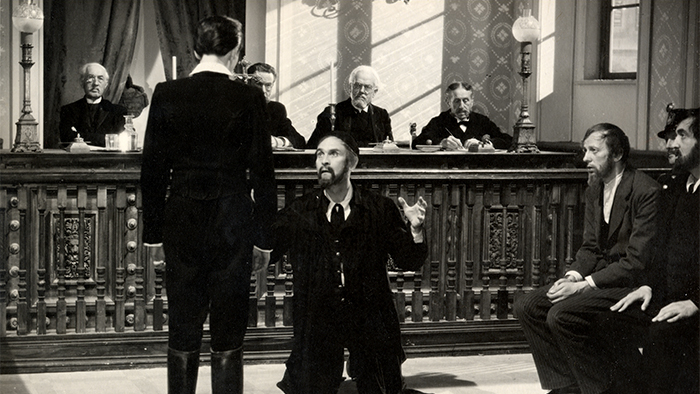
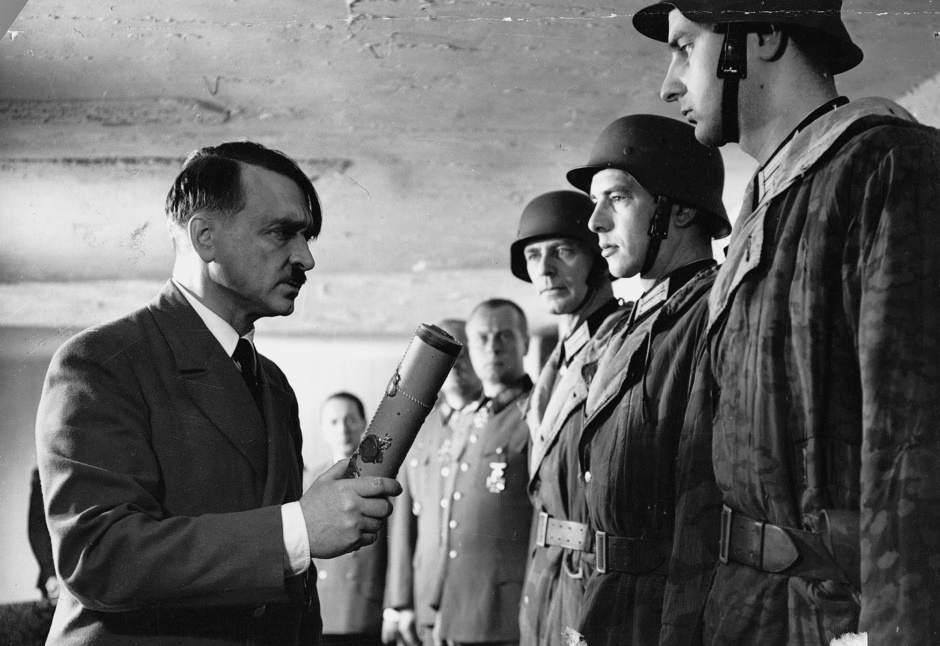
The novel’s central chapters focus on the production of Der Fall Molander, which was shot at the Barandov Studios in Prague literally weeks before the Soviets liberated the city in May 1945, and about which virtually nothing is known, giving Kelhlmann free rein to fantasize. Pabst becomes manically obsessed with finishing the film, as the Russians draw ever closer, convinced this is his greatest masterpiece. When German troops acting as extras are ordered to the front, Pabst agrees to bring in (Jewish) inmates from the nearby Terezin KZ (unnamed) to complete the film. He escapes to Vienna on the last train, print in hand, but loses the reels, causing his subsequent psychosis. This is of course pure fiction, but the accusation that Pabst was – like Riefenstahl – directly complicit in the Holocaust, is a very serious accusation, probably libelous in an American court, and grossly unfair to the actual filmmaker. It raises the question regarding the degree to which the life of a historical personage, especially one whose relatives are still with us, can be fictionalized. They have protested vigorously in the media.
While the novel is clearly fiction and Kelhlmann steps lightly around the issue of the KZ inmates, leaving doubt as to whether the events actually transpired or were hallucinations, many readers will probably still read the novel as a biography. As my colleague Robert Fischer-Ettel tells me, G.W. Pabst and his son, Michael, compiled an actual autobiography covering the years to 1931 that has remained unpublished. It should see the light of day, if only in digital form.
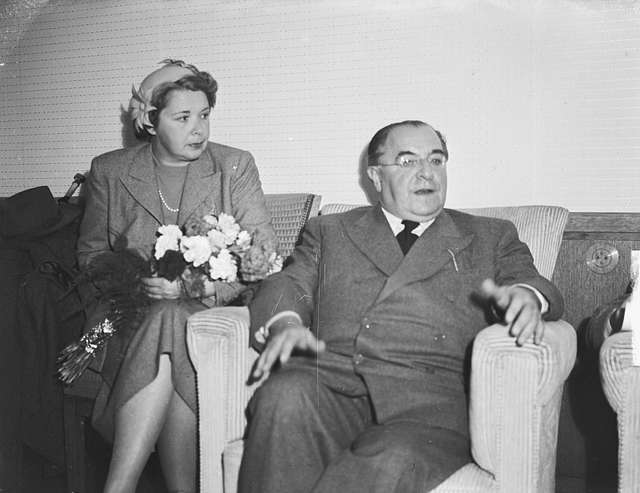
While Molander was considered lost for decades, the unfinished film may survive in the nitrate holdings of the Czech National Film Archives. If it does, the time may have come to attempt a reconstruction or Werkausgabe.
 Archival Spaces
I recall Gerald Barrett speaking of early German cinema having such a profound influence on Hollywood.To this day, whenever I come across a reference to UFA,I remember its importance in film history.
I was speechless when I read Pabst returned to Nazi Germany after living in sunny California and working in Hollywood.
For many of his German-born Hollywood colleagues, living in Hollywood enabled them to avoid a cruel fate in Nazi Germany.
LikeLike
remember, we saw Pabst’s THE LOVES OF JEANNE NEY (1927) in Barrett’s class, in retrospect, it would have not been my first choice for an intro film class, but at the time films like PANDORA’s BOX were not available in 16mm.
LikeLiked by 1 person
It there any real hint that “Molander” survives in Prague? Given how good “Paracelsus” and “Komödianten” is, this would be promising. I do not understand what Kehlmann actually wanted to achieve with his book (name dropping is the right expression) and I suspect that he did not study too much of Pabst’s films….
LikeLike
I’m still waiting for the Narodni Filmovy Archive to respond. Some sources say yes, others say know.
LikeLike
Hy Chris, Well made blog.
Mit sel’jen (wie der Berliner sagt) Erinnerungen an die Pabst-Renaissance, zu deren Geburtshelfern Du ja gehörst.
Ich auch, ein klein wenig: Warst Du nach dem Wiener Kongress auch bei der Präsentation in Berlin im Arsenal? Dorthin luden mich seinerzeit Gertrud Koch und Karsten Witte ein, denn sie hatten gehört, dass ich meinerseits die Geburtshelferin der Renaissance von Anna Gmeyner war. Deren Namen hatten sie erstmals entdeckt im Vorspann des Films DU HAUT EN BAS. So konnte ich sie ins Bild setzen, auch über ihre Beeilung an anderen Pabst Filmen. Schade, dass wir uns damals noch nicht kannten. Auch bei der Pabst Retro ein Jahr später noch nicht – warum eigentlich?
Ich habe die Romanbiografie von Kehlmann natürlich auch gelesen. Mit „Meistererzählung“ hast Du ein schönes Wort gewählt! Ein Blueprint, gewiss. Aber ist in deinen Augen die Erzählung über ein moralisches Versagen auch eine des künstlerischen Versagens, dort Pabst, hier Kehlmann? Natürlich denkt man bei Kehlmanns stilistischen Entscheidungen an ein Filmscript, eine Story (aus der ein Drehbuch entwickelt werden könnte) – filmisches Schreiben. Wie hast Du den Roman wahrgenommen? Sind Parodie und Kolportage auch Tribute an das Szenische Schreiben, das mit dem realisierbaren Film liebäugelt? Am besten haben mir die rein fiktiven Kapitel mit der fiktiven Figur des Assistenten Franz Wilzek gefallen : die Rahmenhandlung, das Molander-Kapitel. Hearing from you soon Heike
PS. Sind die Studenten an euren Universitäten vollends meschugge? Wie erklärst du dir, was da geschieht?
>
LikeLike
Ich war nicht in Berlin damals, weiss aber deinen Beitrag zu schätzen. Bei der Premiere der Rekonstruktion von Freudlose Gasse in Berlin 1997. Dein Name war im wegen EXIL lange bekannt bevor wir uns in Hamburg richtig kennengelernt haben.
LikeLike
TAJ
LikeLike