Archival Spaces 396
Bernhard Frankfurter’s On the Road to Hollywood (1982)
Uploaded 3 April 2026
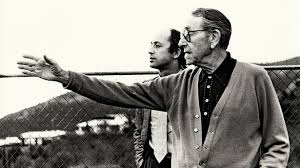
In April 1980, I began working as a researcher for Bernhard Frankfurter’s Austrian TV film, On the Road to Hollywood (1982), travelling to Vienna to meet the film crew and give them some of my exile research. Later that year, I flew to New York for my own film exile research, as well as film research for Bernhard. Friedrich Kahlenberg, the director of the Federal German Film Archive, had recommended me while I was a graduate student in Münster. I thought about my experience meeting and working with Bernhard after recently reading an excellent article in Filmblatt, a German-language film history journal, about the making of On the Road to Hollywood, authored by Brigitta Mayr and Michael Omasta. I had actually never seen the film, even though I had done background research for eight months – it was, after all, the topic of my dissertation – and found documentary and newsreel footage for the project. So I asked the editors whether I could get access to the film, and was able to see it, more than forty years after its completion.
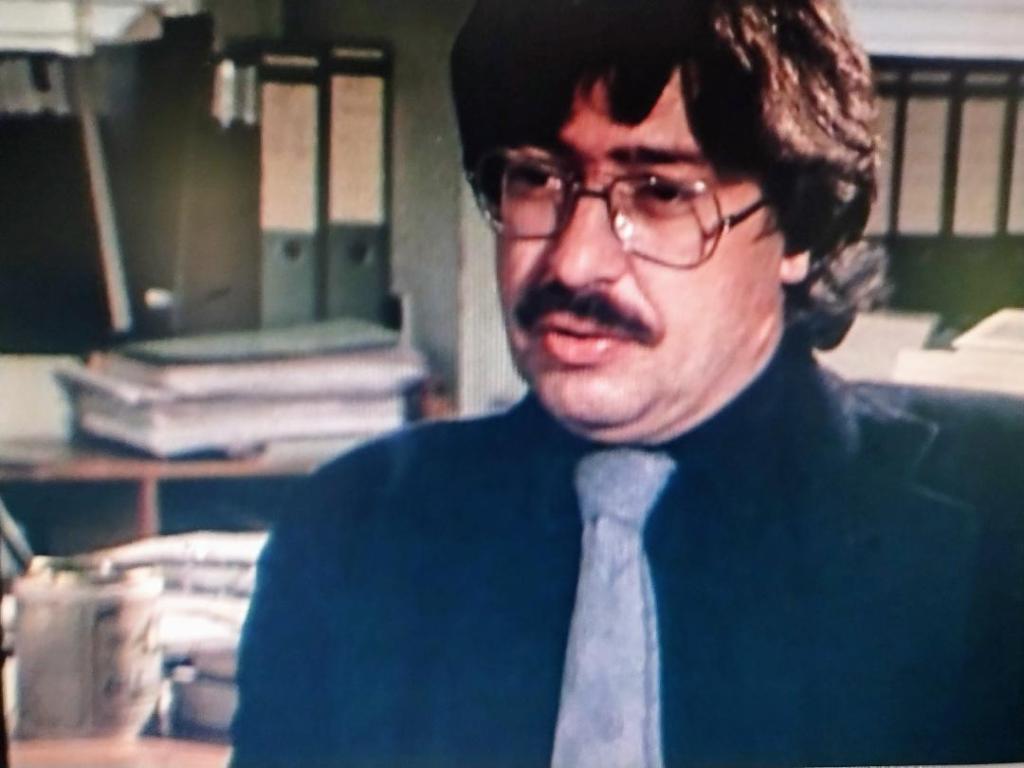
BTW, the footage I found at Sherman-Greenberg in New York was ultimately not used for aesthetic reasons. Bernhard chose to exclude any historical film footage – much as Claude Lanzmann did in Shoah around the same time – in his subjective quest to retrace the path of Austrian Jewish film artists from Berlin and Vienna to Hollywood, merely inserting photos, but perceived as objects of documentation. It was an approach that filtered the experiences of his subjects – survivors of the Holocaust, who had made it to the safety of America through the director’s subjectivity. Seeing the film forty years late, I was extremely moved, not only because I could hear myself in the narrative through a few details I contributed, but also because I had met several of the émigrés seen in the film. I was tickled pink, especially, to see Kahlenberg, a longtime mentor, lecturing to the camera about UFA’s shameful firing of their Jewish employees in 1933, while pacing around his archive office. Meanwhile, Bernhard Frankfurter, stationary, counters with his own expertise in matters of film exile.
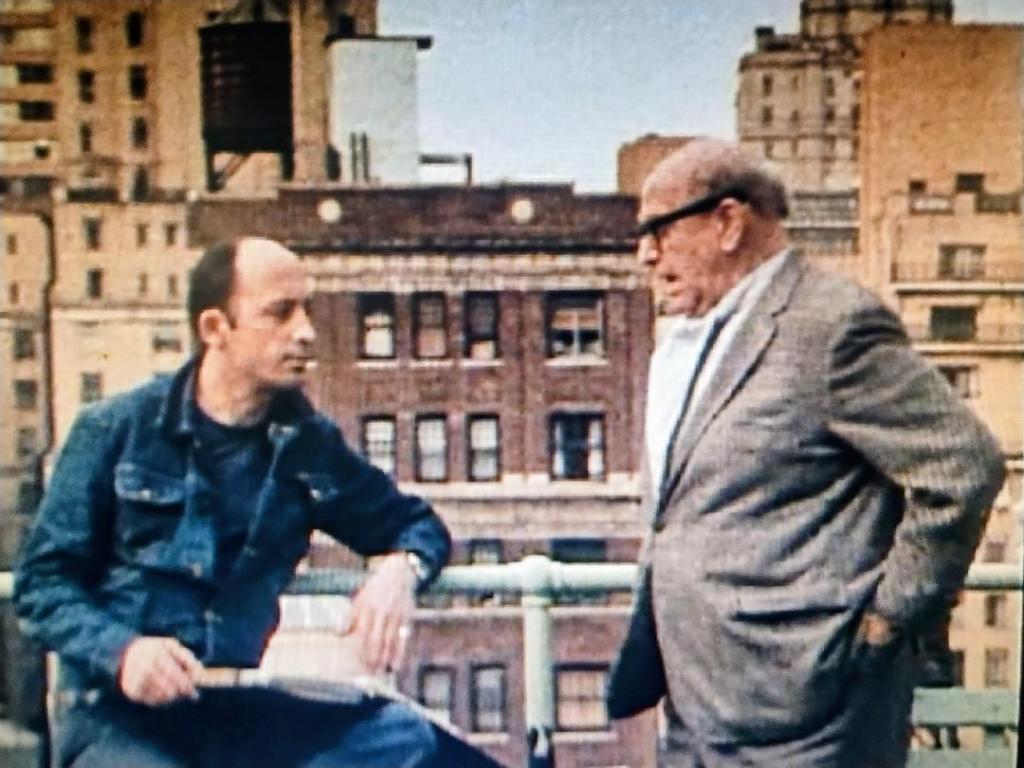
When I met Bernhard Frankfurter in Vienna in 1980, he was in his thirties, already balding, but completely committed to his film project. Born in 1946 in Graz, Austria, Bernhard Frankfurter founded the left-liberal student party “Aktion,” which he also led during his studies in Vienna. I always assumed, but never asked him, whether his parents were Holocaust survivors. In 1970, Frankfurter was one of the first editors of Profil, an Austrian weekly news magazine. Two years later, he began working at the Austrian Broadcasting Corp. (ORF). Beginning in 1974, Frankfurter participated in numerous documentary film projects as a director and screenwriter. He was a co-founder of the Syndicate of Austrian Filmmakers, established in 1977, and served as chairman of the Association of Austrian Film Directors from 1979 to 1983. From 1976 onwards, he immersed himself in film exile research and the Austrian-Jewish emigration around the Anschluss. Brigitte Mayr and Michael Omasta, who rereleased the DVD of On the Road to Hollywood recently, and are the keepers of his estate, described him as a “vital spirit of resistance” who addressed forgotten and repressed topics of contemporary history. He was also an advocate for state film funding. I remember mourning for him. In February 1999, I was at Universal when I heard he had died at only 53 years of age.
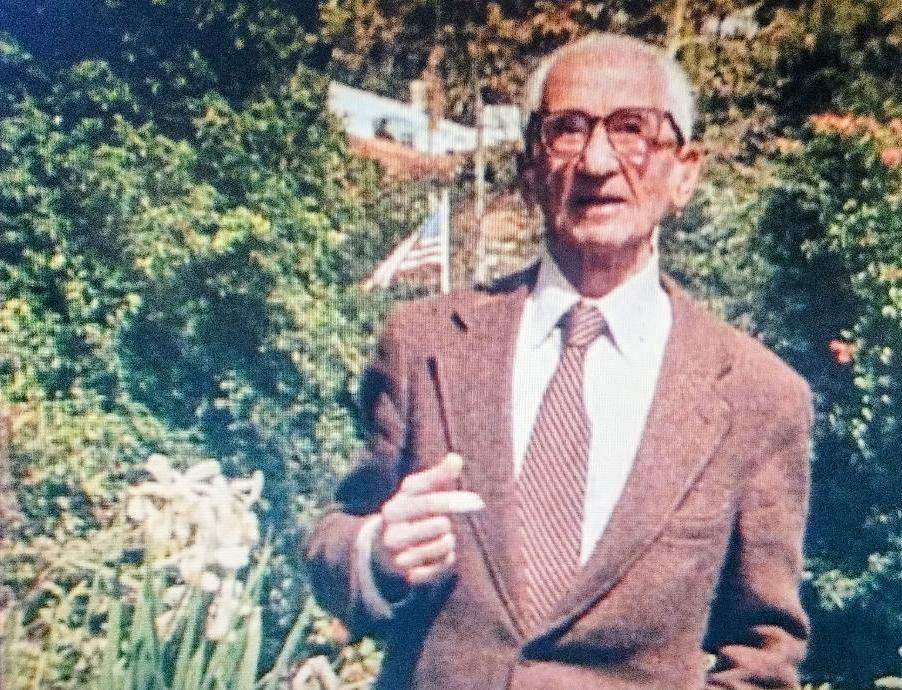
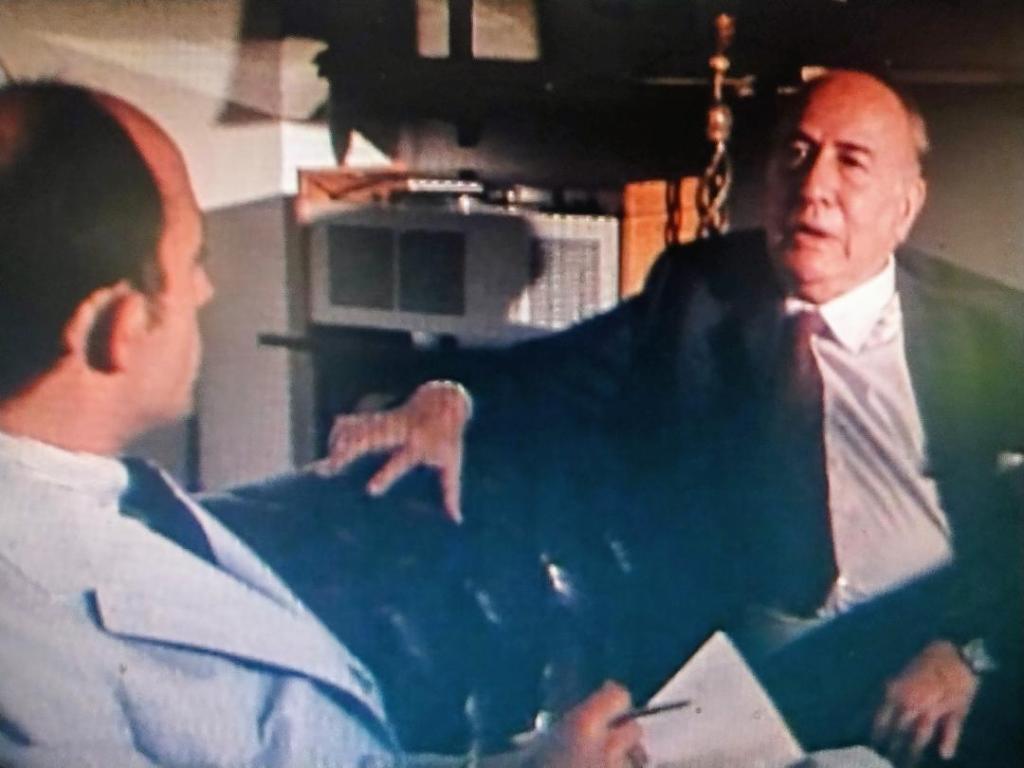
On the Road to Hollywood opens with Bernard climbing a metal circular staircase, visually the proverbial hermeneutic spiral, while reading from his journal about researching the topic of film exile. This first scene keys us into Frankfurter’s aesthetic: This is a personal journal of discovery. First to be interviewed is Walter Reisch in Hollywood and then in Vienna, the great scriptwriter of Willi Forst’s Maskerade (1934) and Ernst Lubitsch’s Ninotchka (1939), among countless others. I met Reisch twice, once when I interviewed him in summer 1975 for my AFI Oral History and once at the Venice Biennale symposium on German film émigrés in November 1981; he was a great raconteur, sometimes exaggerating, e.g., when he claimed that 25% of Hollywood in the 1930s came from Europe. I also interviewed Walter Kohner and Paul Falkenberg, who appear later in the film.
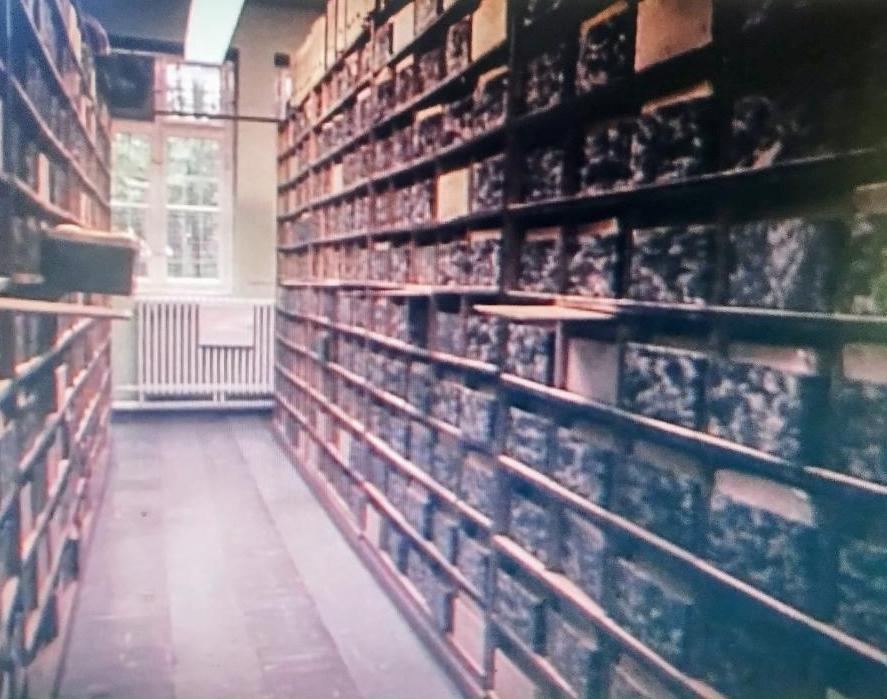
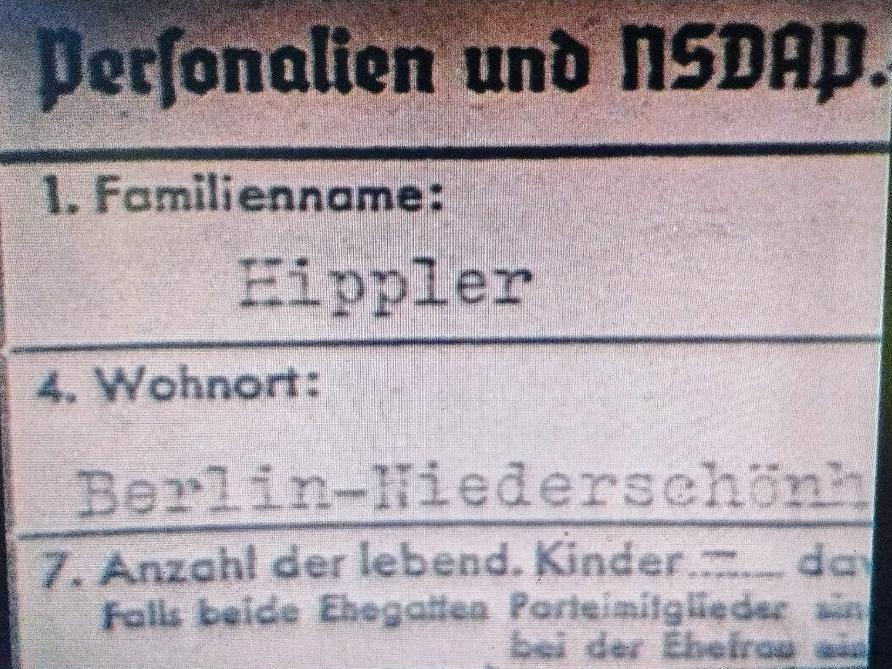
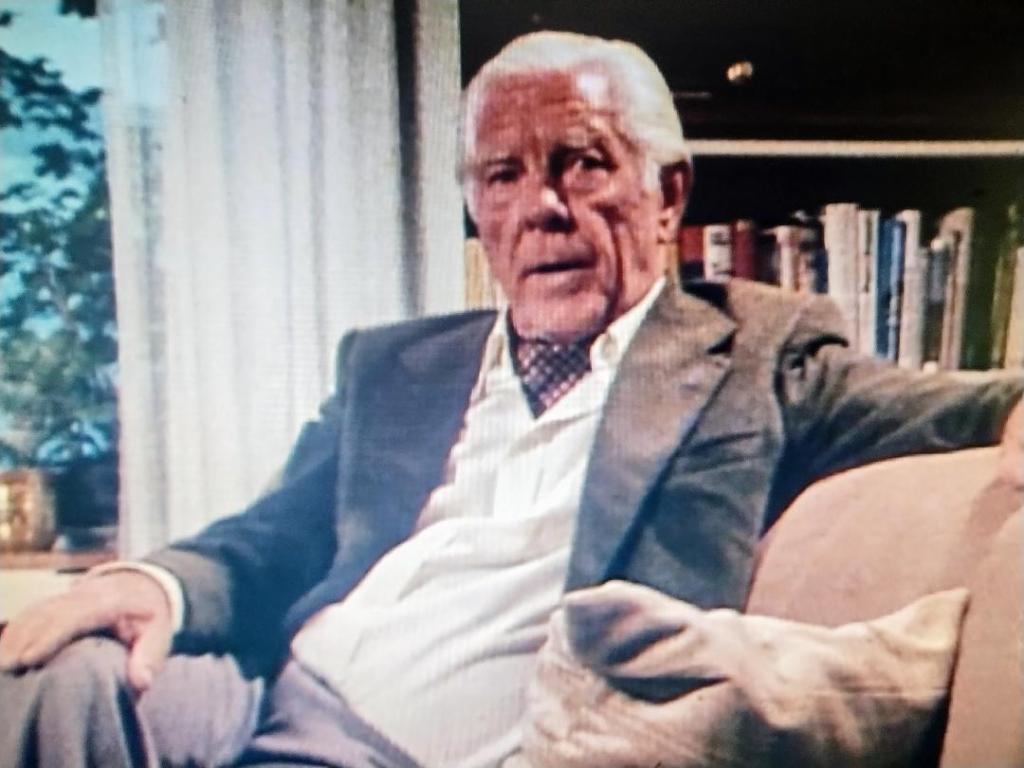
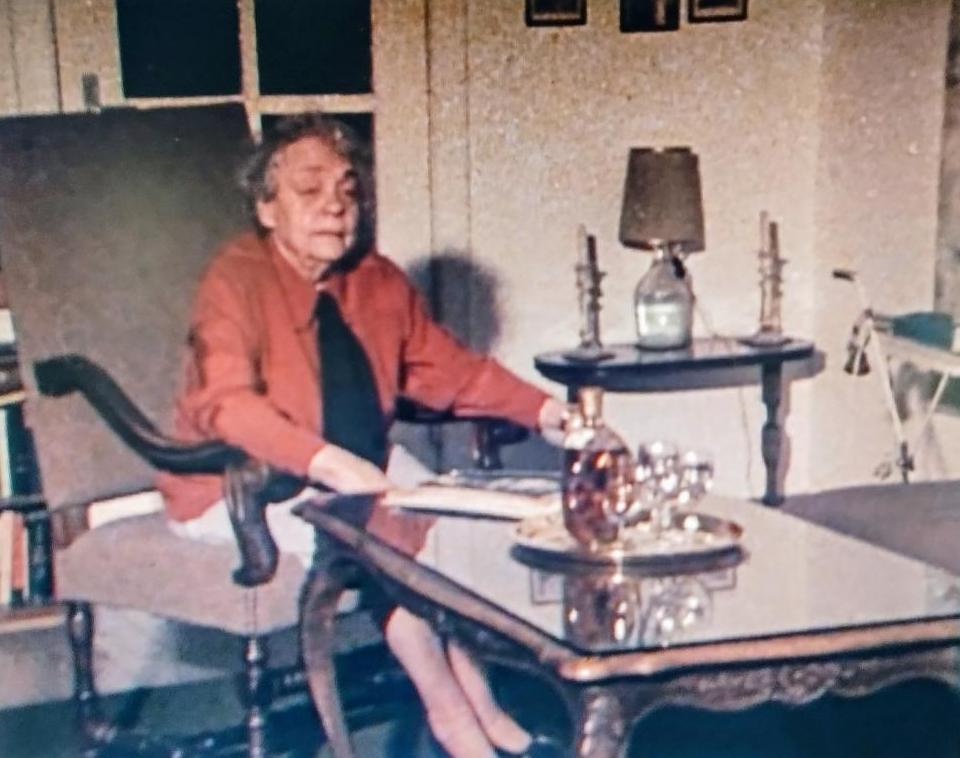
Next, Frankfurter interviews the former director of Filmarchiv Austria, Ludwig Gesek, about the institution of anti-Semitic laws in Austria, before travelling to London, where he looks through Fred Zinnemann’s clipping files, but doesn’t interview Zinnemann. Again and again, we see Frankfurter in the act of researching, at the Bundesarchiv, at the Berlin Document Center, trying “to find the stories of exile behind the stereotypical images.” He subsequently interviews, among others, Rudolph Cartier, Martha Feuchtwanger, Paul Henried, Johanna Hofer-Kortner, Fred Spielmann, Lotte Stein, and Curt Trepke, both the famous and not-so-famous. Surprisingly, Frankfurter also speaks with the notorious Nazi director of The Eternal Jew (1939), Fritz Hippler, who justifies the expulsion of German Jews from the film industry “because they represented a danger to German film culture.” Frankfurter trusts viewers will recognize anti-Semitism here, but I’m not so sure. He also travels to Terezín, where he interviews two surviving (non-Jewish) cameramen on Theresienstadt (1944), formerly known as Der Führer schenkt den Juden eine Stadt, directed by the famous German comedian Kurt Gerron, who was then deported to Auschwitz.


Between the interviews, Frankfurter cuts away to real locations: Vienna’s film district around the Neubaugasse, a long sequence in the Jewish ghetto of Prague, New York streets, and London’s Victoria Station. Bernhard Frankfurter takes the viewer on a journey through space and time, but also creates a monument to the hundreds of Austro-German filmmakers forced to flee anti-Semitic persecution, some of whom actually made it to Hollywood, where they had a profound influence, at least for a while.
 Archival Spaces