Archival Spaces 353
John Wayne’s Anti-Nazi Western
Uploaded 9 August 2024

When I wrote my dissertation on anti-Nazi films made in Hollywood by German Jewish Refugees, I included chapters on the depiction of the Fifth Column, life in Nazi Germany, and the anti-Nazi resistance in occupied Europe. I mentioned that the topic of anti-Nazi refugees from fascism was for the most part avoided by Hollywood filmmakers, although there were some prominent exceptions, including So Ends Our Night (1941), based on the novel Flotsam by Erich Maria Remarque, Billy Wilder’s Hold Back the Dawn (1941), A Voice in the Wind (1944), and, most famously, Casablanca (1943). Now literally forty years later, I’ve discovered Three Faces West (1940), while browsing YouTube. I thought I was going to see a John Wayne western, but to my surprise, this film about farmers trekking from the dust bowl of North Dakota in the 1930s to new land in Oregon opens with a Viennese doctor and his daughter, who are refugees after the Nazi Anschluss of Austria in 1938, thus amalgamating the western and anti-Nazi film genres.
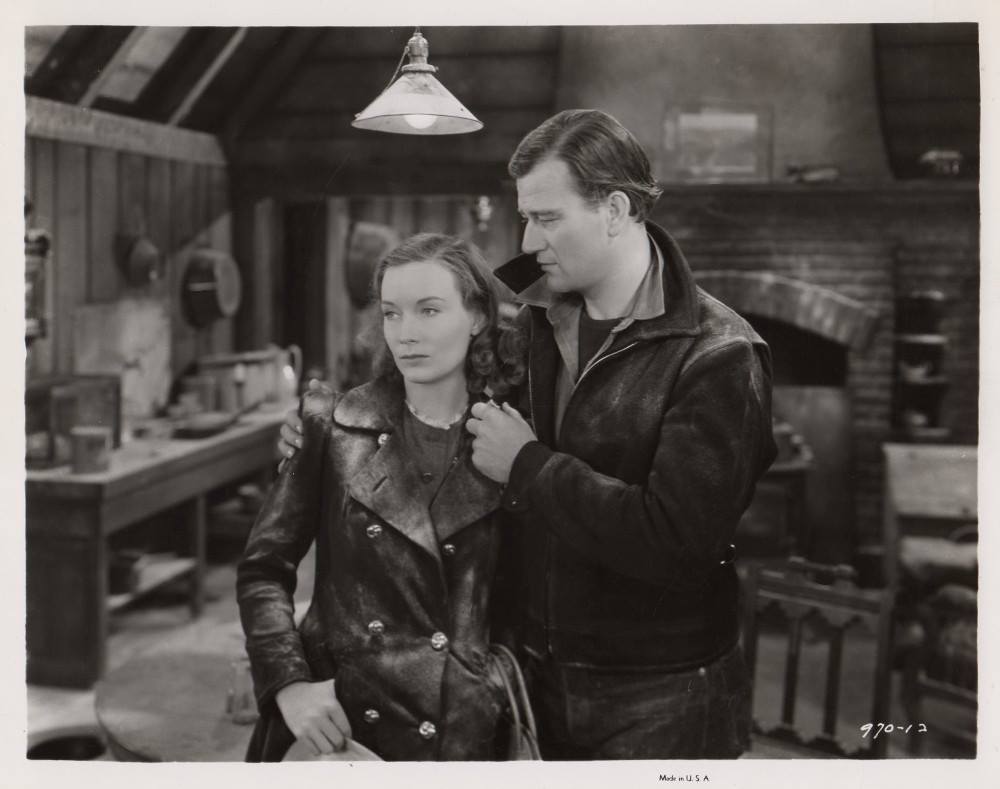
Once I did some research, I realized I was not the first to rediscover Three Faces West. Jacqueline Vansant, who has written extensively about the image of Austrians in Hollywood cinema, published a piece, “Austrian and Dust Bowl Refugees Unite in Three Faces West” (Journal of Austrian-American History, Vol. 1, No. 1 (2017): 98-116), that offers a detailed analysis of the film, especially its evolution through various script stages. While Vansant sees the film as a low-budget, albeit more optimistic version of The Grapes of Wrath (1939, John Ford) that pleas for sympathy for impoverished farmers and foreign refugees through an Austrian-American romance, I’m more interested in the hybridity of two seemingly contradictory genres, genres separated by temporal and narrative spaces.
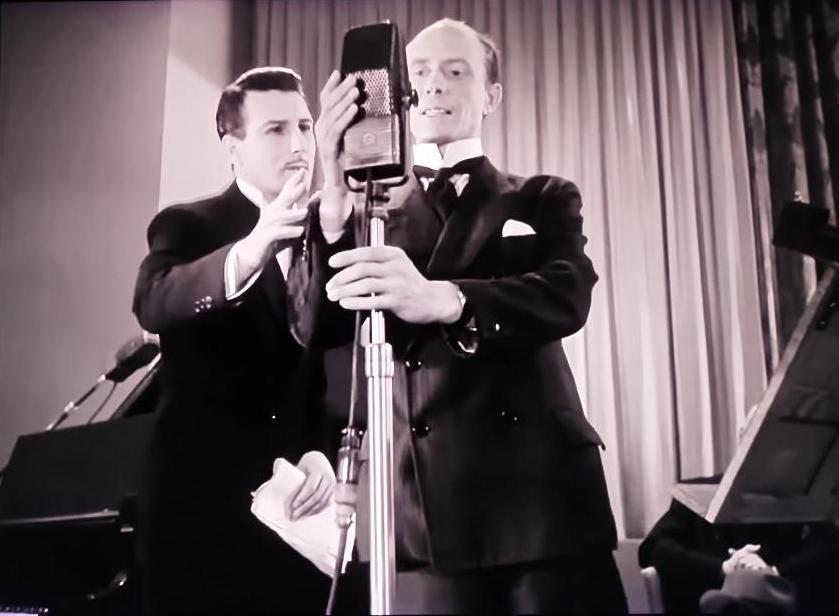
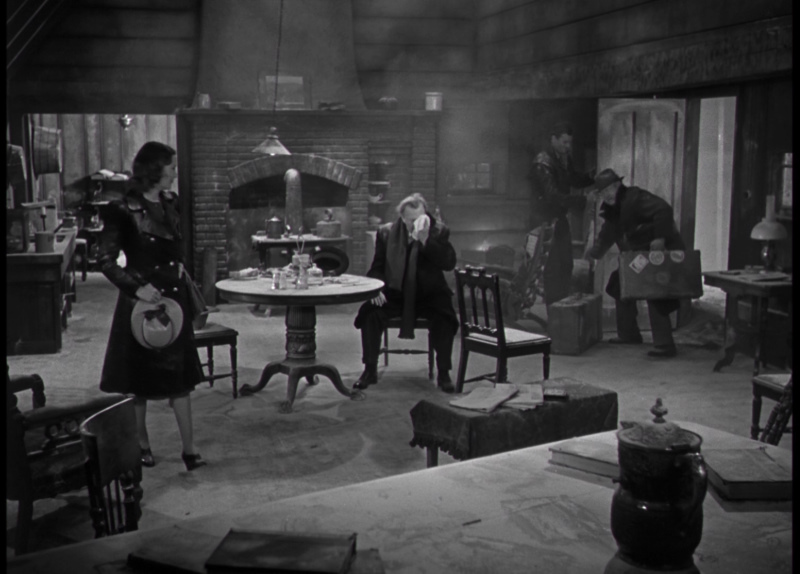
Although the film was originally to be released as The Refugee, the actual advertising campaign emphasized the Western in its release title, in its poster art, in its narrative, and in its star, John Wayne. And yet, the film opens with a refugee story: European doctors who have fled Europe are interviewed on a popular New York radio program, where they plead for jobs in America, willing to work in the Hinterlands at subsistence wages. It is a plea for the economic and social integration of anti-Nazi exiles into the American heartland, where xenophobia and American isolationism dominate. The ensuing film will indeed prove that even a famous surgeon from Vienna (Charles Coburn) is willing to make sacrifices for the community that has adopted him, while the natives realize that foreigners can be an asset to the community. Republic Studios’ attempt at creating sympathy for refugees among its core rural audiences came before any major studio took up the cause. That initiative may have been thanks to scriptwriter Samuel Ornitz and director Bernard Vorhaus, both members of the Hollywood Anti-Nazi League and blacklistees after 1947. As Vansant reports, the film actually reflected a real-world fact: The American Medical Association created legal hurdles for refugee physicians wishing to work in America unless they were willing to volunteer in doctorless rural communities.
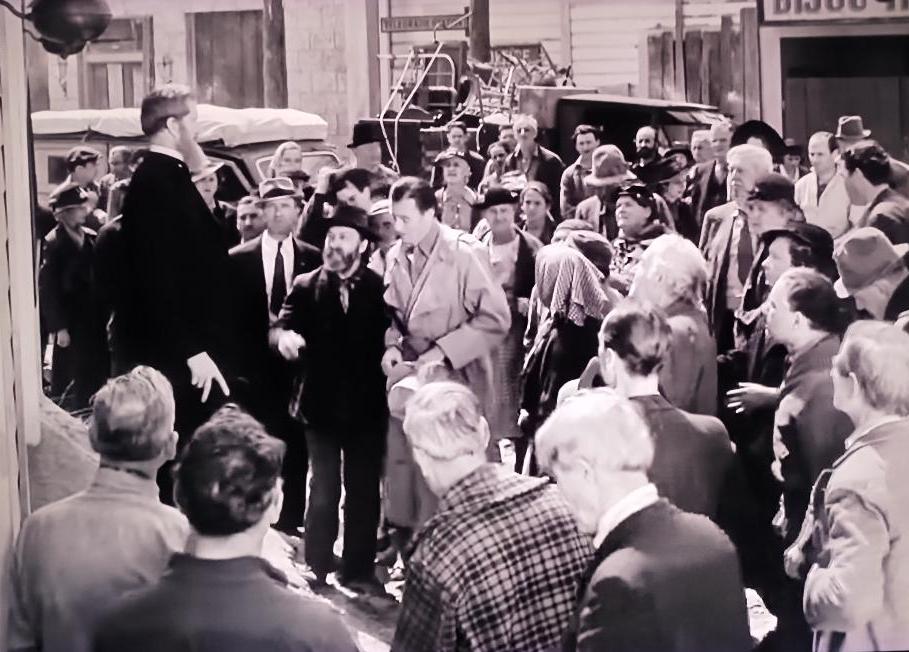
With the arrival of a large wave of German-Jewish filmmakers between the Anschluss and the start of World War II in September 1939, right-wing journalists in Hollywood, like Hedda Hopper, began railing against “the invasion” of foreign talent into the film industry, unjustly claiming that they took away jobs from Americans. Indeed, German-speaking émigrés were responsible for approximately a third of all anti-Nazi films made during the war, but, according to sociologist Leo Rosten in 1939, recent refugees constituted only a minute fraction of foreign-born producers, directors, and scriptwriters working in Hollywood.
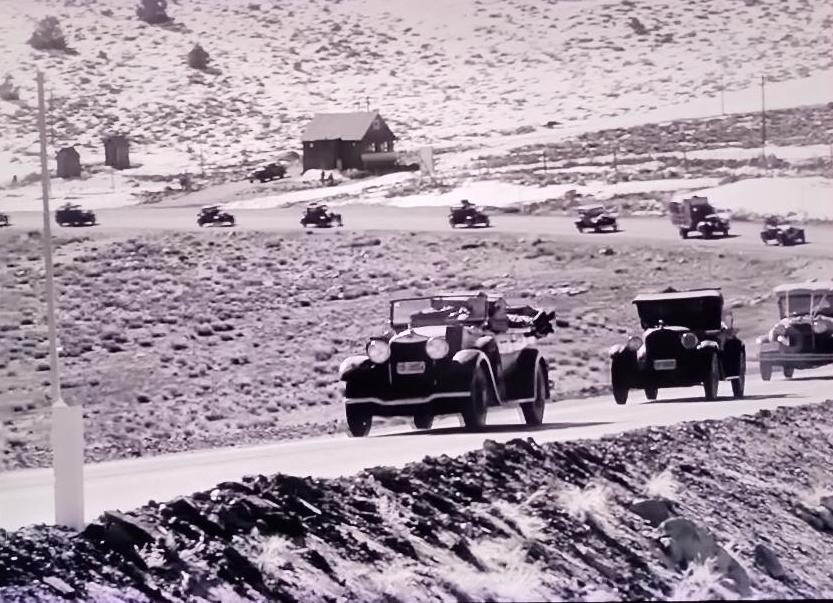
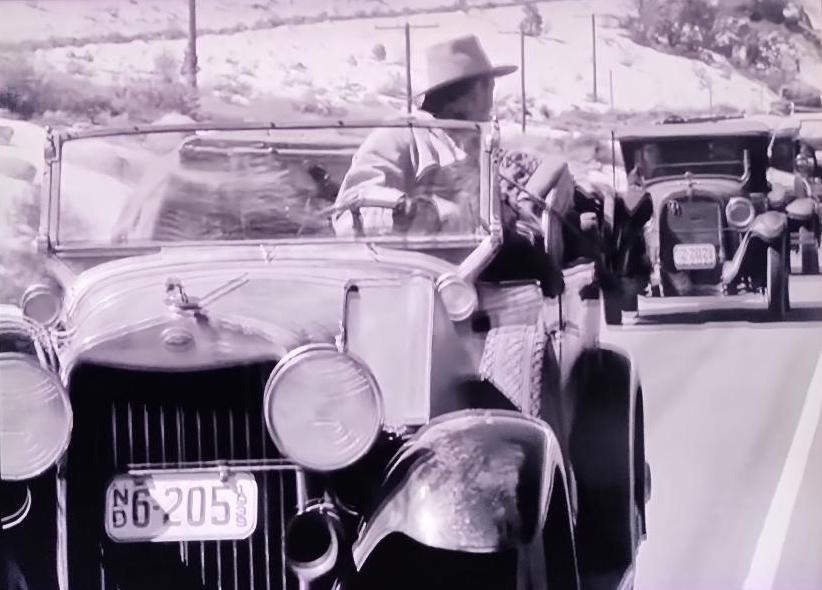
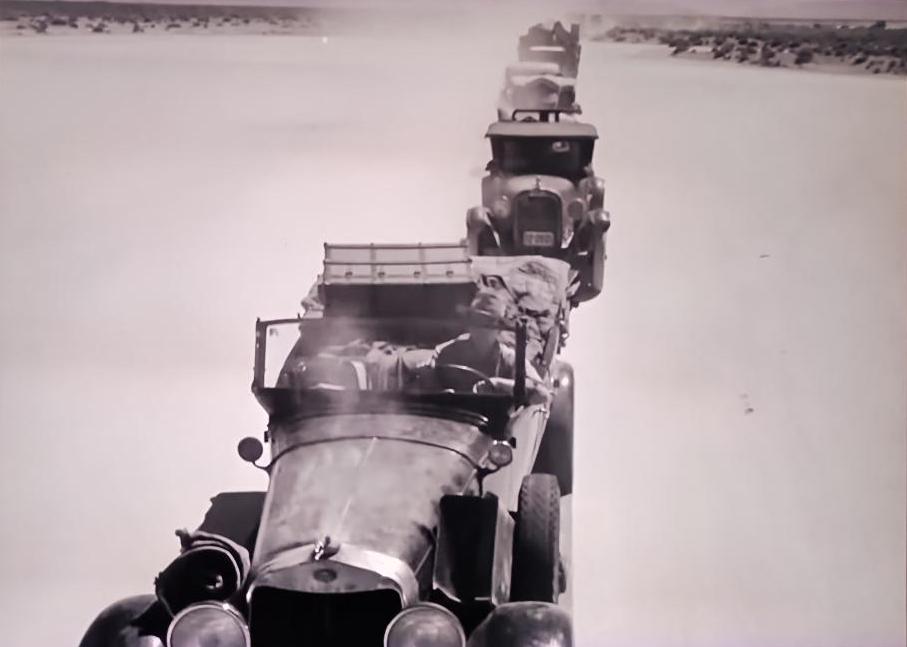
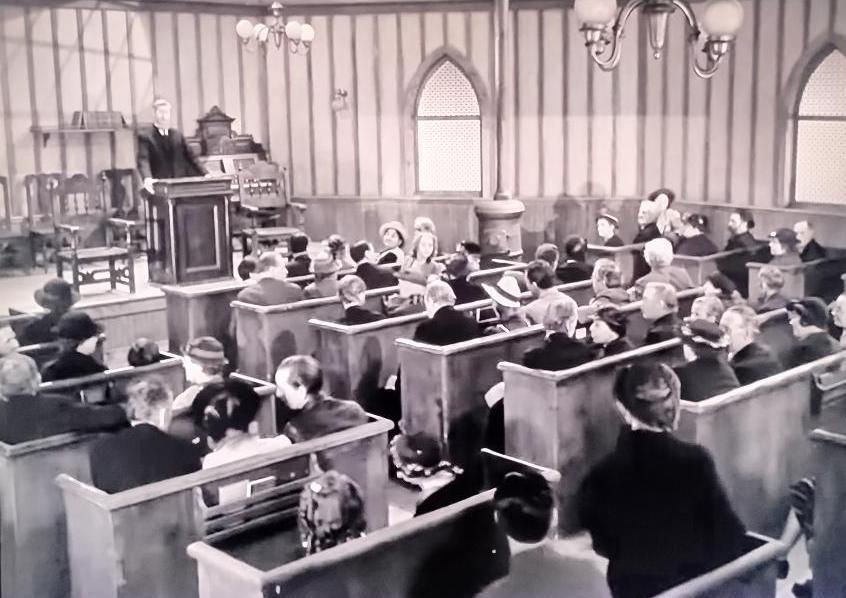
After arriving in Ashville Forks, Dr. Braun and his daughter, Leni (Sigrid Gurie), slowly integrate themselves into the community (and Leni falls in love with hero John Philllips) after initially wishing to flee the dustbowl conditions they find. Meanwhile, the film portrays a rural community in distress, defeated by drought and continual dust storms, until they decide to pack up everything and move to Oregon. Under the leadership of Phillips (John Wayne), the whole town forms a motorized wagon train. This modern Western, then, features genre set pieces, like revolts against the wagonmaster’s authority, thievery among the trekkers, a hero in self-doubt about leading his people, and arduous journeys over mountains and through deserts, before reaching the promised land. The community is held together, as in a John Ford Western, by the church and preacher (Russell Simpson) who appears repeatedly.
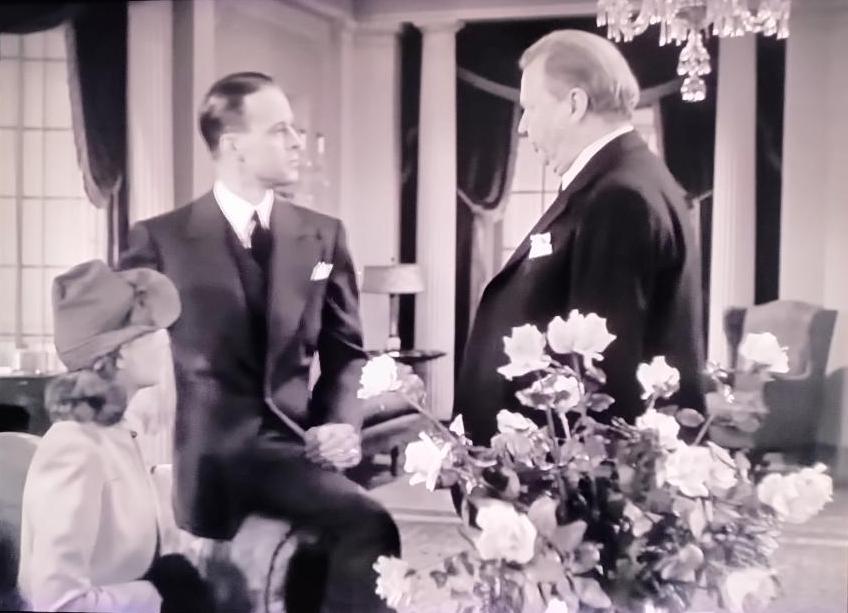
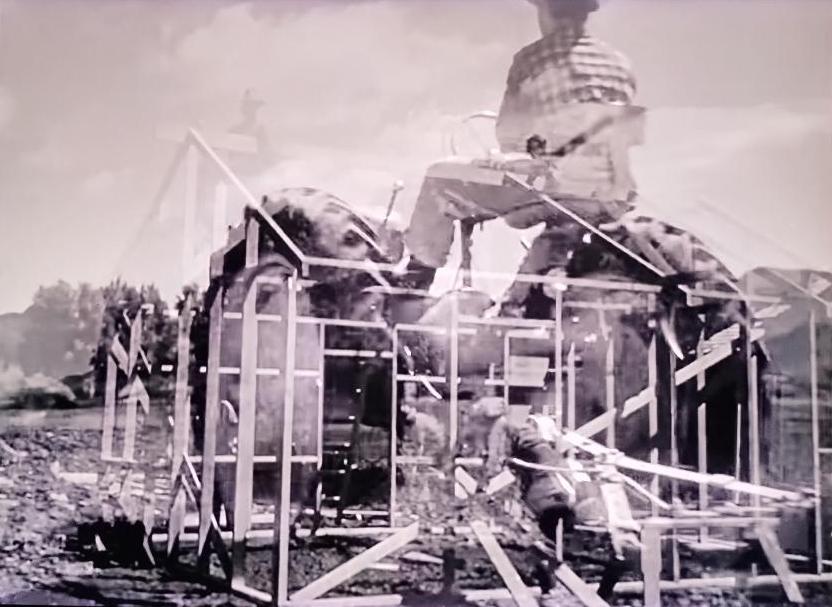
Finally, a happy end is in sight, except that Leni’s German fiancé, Eric (Roland Varno), who had supposedly died trying to protect Dr. Braun and Leni in Vienna turns up to claim his bride. However, when they meet him in San Francisco, he has turned into a full-fledged Fascist, spewing Nazi ideology, allowing Leni to walk out and join the man she loves in Oregon, where Ashford Forks has risen again. The film ends with the camera tracking back on a scene with a marriage and an open-air church service, the community of refugees and farmers anticipating a bright future.
Genre mash-ups, as seen here were not uncommon in the anti-Nazi film, with comedy, gangster films, crime dramas, and melodramas often in the mix. And as Janet Staiger tells us, genre mixing was a frequent strategy of Hollywood filmmakers, going back to the 1920s, but this modest little 75-minute film does seem to be an exception in attempting to capture urban and rural audiences through a Western story with a contemporary twist.

 Archival Spaces